Key takeaways
- Breadseed poppies are Papaver somniferum, a hardy annual grown for edible seed and pods
- Sow direct in autumn or early spring, as seedlings die if transplanted
- Thin to 20cm apart for big pods and a good seed crop
- Harvest when pods turn beige and rattle, usually late August to September
- Growing them is legal; extracting opium from the pods is a serious crime
- All parts except the ripe seed are toxic to pets and people
Breadseed poppies turn a spare patch of ground into a year’s supply of baking seed. They are Papaver somniferum, the tall annual with papery mauve, pink, white or plum flowers and fat grey-green pods. Sow them straight into the soil, thin them hard and wait. By late summer you’ll be shaking blue-grey seed into a bowl.
This guide is about growing them for the seed. For the wider poppy family, from field poppies to perennial Oriental types, see the main guide to growing poppies in the UK.
Are breadseed poppies legal to grow in the UK?
Yes. Growing breadseed poppies for flowers and seed is legal and needs no licence. Seed companies and garden centres sell them openly.
The one thing you must not do is extract opium. That means scoring the green pods to collect the milky sap, or processing the plant for drugs. It is a serious crime, and no ordinary gardener does it by accident. Grow them, admire them, bake with the ripe seed.
If you’re curious which plants really are restricted, the guide to banned plants in UK gardens covers them. Breadseed poppy isn’t one.
Warning: The leaves, stems, sap and pods are toxic to dogs, cats and people. Keep pets from chewing the plants, and keep dried pods out of reach of children and animals.
What are breadseed poppies?
Breadseed poppies are a hardy annual grown for both flowers and edible seed. Plants reach about 90-120cm, with smooth grey-green leaves that clasp the stem. Flowers come in white, pink, mauve and deep plum, single or double.
After the petals drop, each flower forms a rounded pod. Inside are hundreds of tiny seeds, slate blue, grey or creamy white depending on the variety. Flowers open in June and July, and pods ripen from late August.
The plant grows, flowers, sets seed and dies in one season. You either sow fresh each year or let a few pods self-seed.
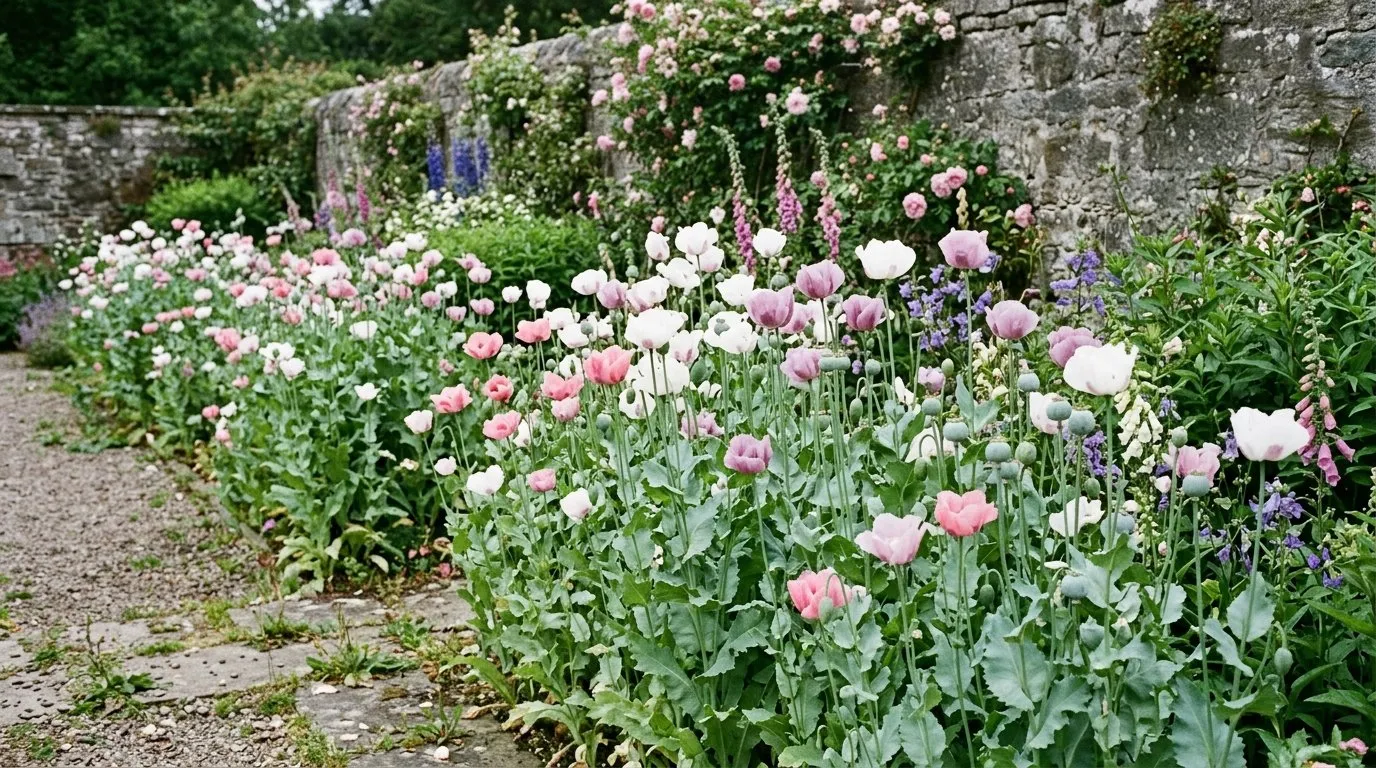
A drift of breadseed poppies in early summer. Each of those flowers becomes a seed pod by late August.
When and how do you sow breadseed poppies?
Sow breadseed poppies direct where they are to flower, in September to October or March to April. Never raise them in pots or modules.
The big rule is that breadseed poppies hate root disturbance. They form a taproot that snaps when lifted, so transplanted seedlings sulk and usually die. Sow direct and you sidestep the problem.
Autumn sowings usually give taller plants with more pods. Spring sowings work well too, but flower a little later on smaller plants. On heavy clay that stays wet in winter, sow in spring.
To sow:
- Pick an open, sunny spot with free-draining soil
- Rake the soil to a fine, crumbly surface
- Mix the dust-fine seed with a handful of dry sand so it spreads evenly
- Scatter it thinly and barely cover it, as it needs light to germinate
- Firm gently with the back of a rake and water if dry
The same sow-and-thin routine works for most easy annuals. The guide to sowing hardy annuals direct walks through it step by step.
How far apart should you thin breadseed poppies?
Thin breadseed poppies to 20cm apart. Crowded plants stay small and carry one mean little pod, so thinning is where the seed crop is won.
Do it in two goes. When seedlings are 2-3cm tall, thin to about 10cm apart. When they reach 8-10cm, thin again to 20cm. For the biggest pods, give them 30cm.
Pull the spare seedlings or nip them off at soil level. Don’t try to replant them, as they won’t take. Water afterwards to settle the plants that remain.
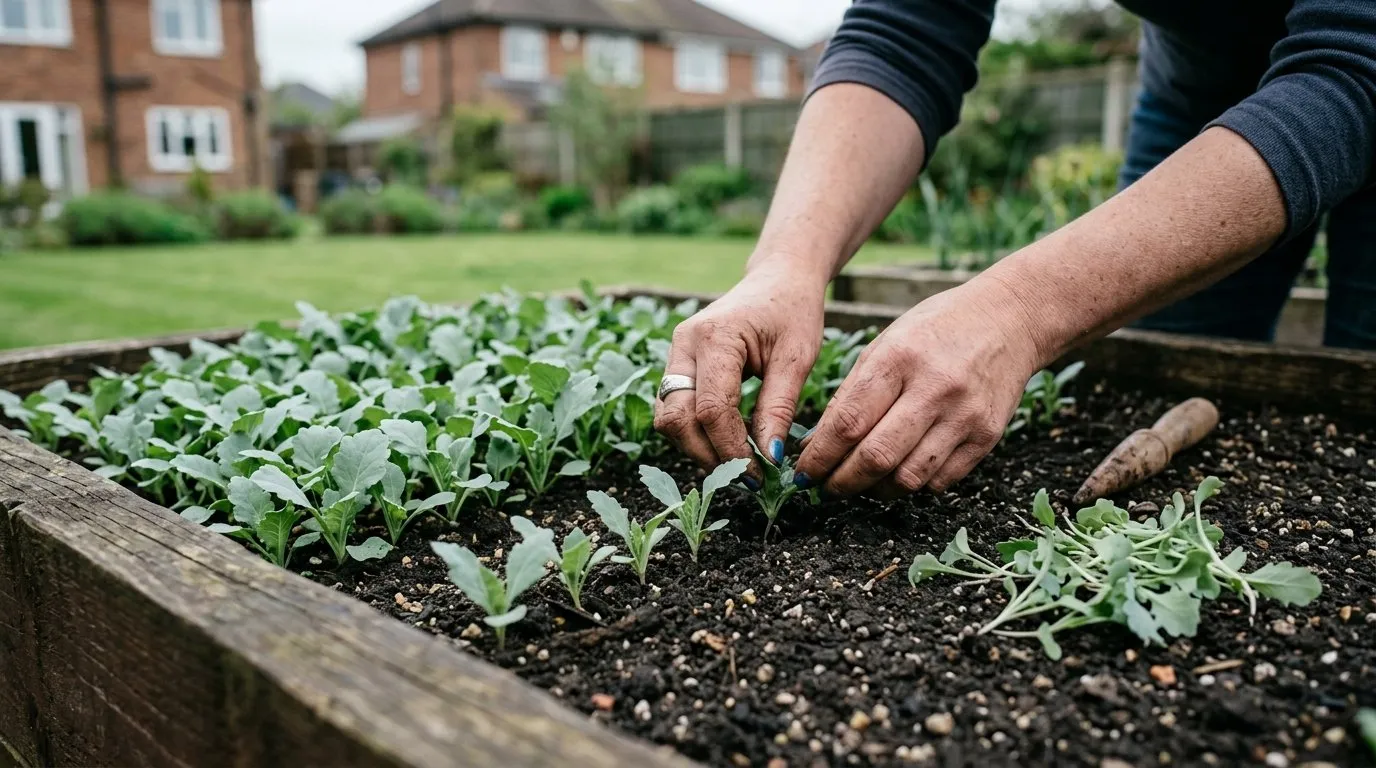
Pull out the extras rather than moving them. The taproot won’t stand transplanting, so thin where they grow.
How do you harvest breadseed poppy seed?
Harvest when the pods turn from grey-green to beige and the seeds rattle inside. In most of the UK that’s late August into September.
Look for three signs:
- The stem has browned and dried
- The pod is hard and has lost its grey bloom
- A ring of small holes has opened under the crown, like a pepper pot
Cut the heads with about 15cm of stem on a dry day. Tip each pod over a bowl and the seed pours out through the holes. Sieve out any bits of pod.
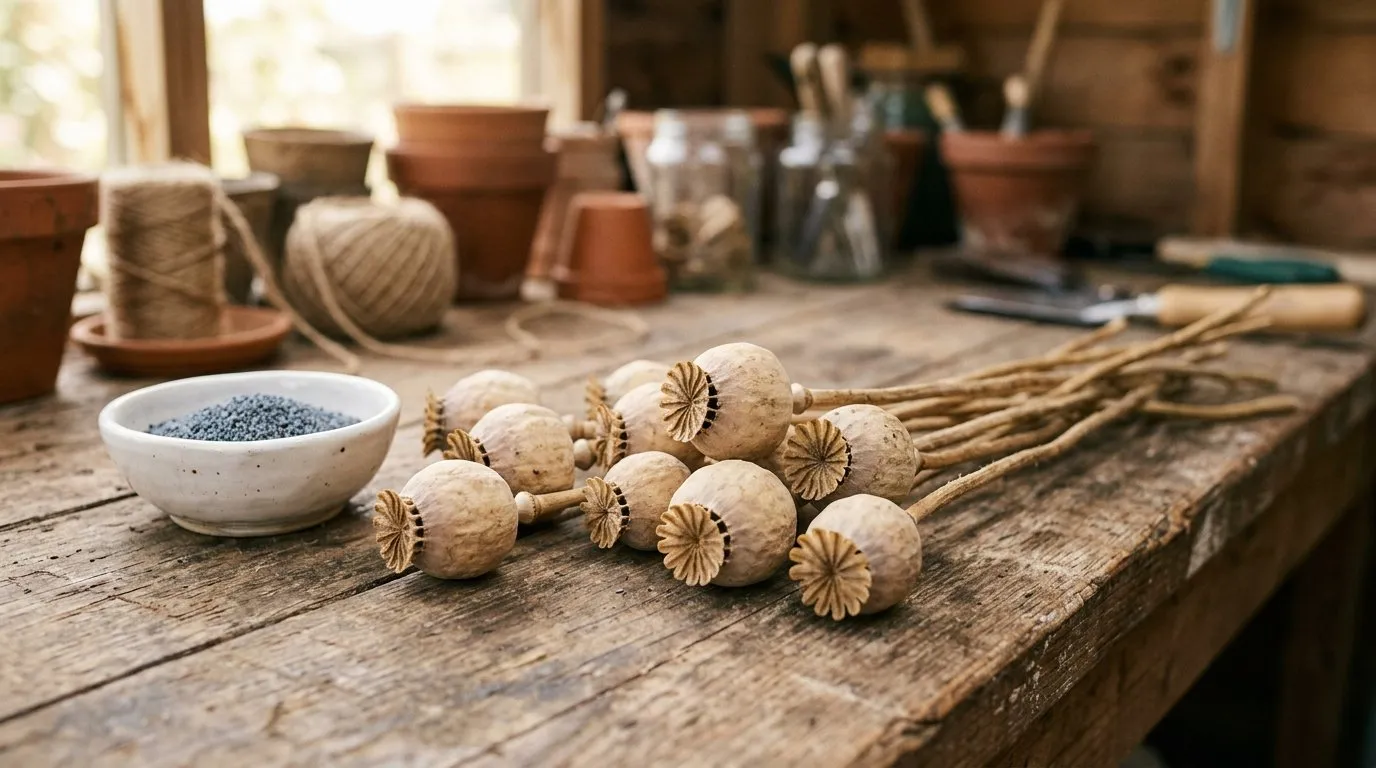
Ripe pods are beige, hard and rattly. Tip them upside down over a bowl and the seed does the rest.
Spread the seed on a tray for another week in an airy room out of direct sun. Then store it in an airtight jar somewhere cool and dark. To grow more next year, save seed from the fattest pods. The guide to seed saving for beginners covers drying and labelling.
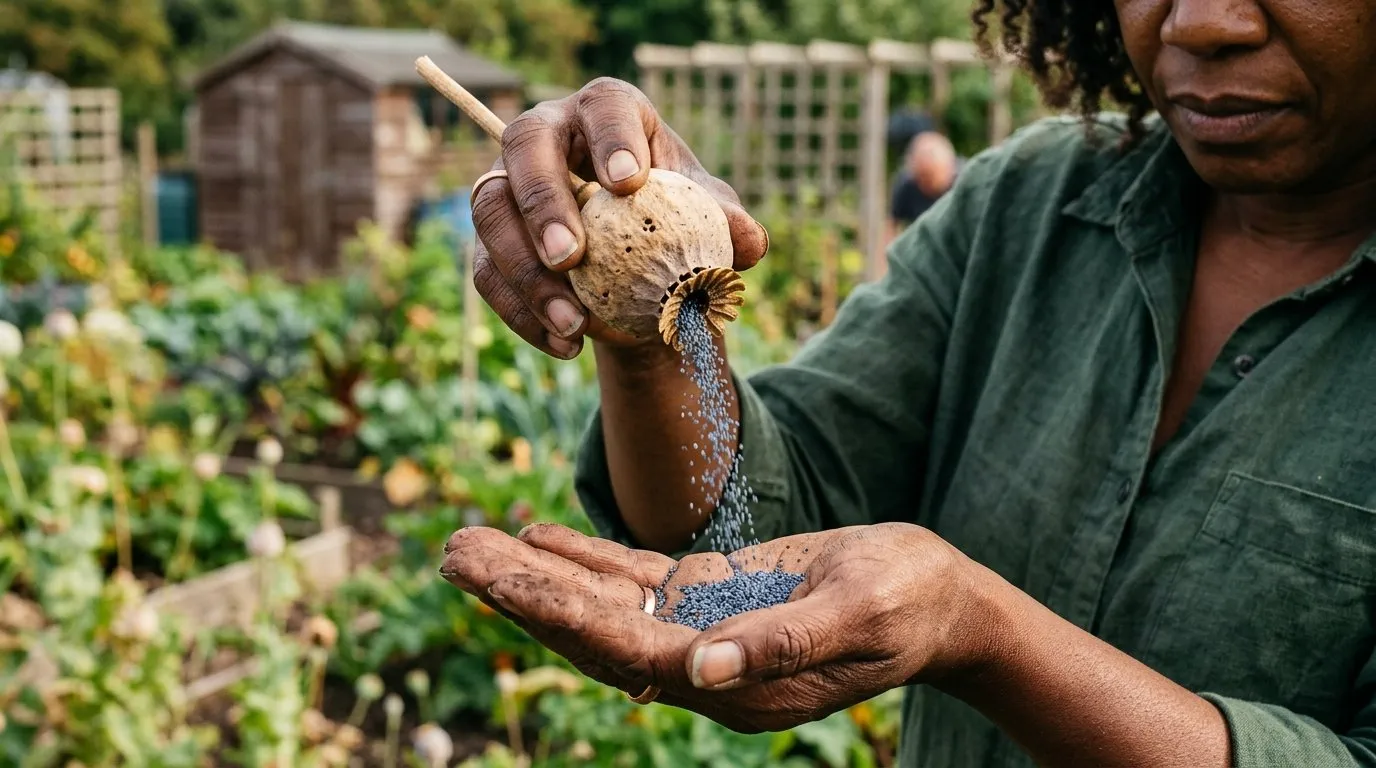
Shake a pod over your palm to check. If dark seed pours out freely, the whole batch is ready to cut.
How to get a bigger seed crop
Spacing and sowing time make the biggest difference. A well-spaced plant in sun can carry several large pods. A crowded one may manage a single small pod.
| Sowing | Flowers | Plants | Seed crop |
|---|---|---|---|
| Autumn, thinned to 20cm | Early summer | Tallest, most pods | Best |
| Spring, thinned to 20cm | A few weeks later | Shorter, fewer pods | Good |
| Any time, not thinned | Early summer | Spindly, one small pod | Poor |
Grow them in full sun on soil that drains well. They need no feeding on ordinary garden soil.
Which breadseed poppy varieties are best for seed?
Every breadseed poppy gives edible seed, but single-flowered types with big pods crop best. Double “peony” types are showier and set less seed.
| Variety | Flower | Best for |
|---|---|---|
| ’Hungarian Blue’ | Single mauve | Seed, slate-blue |
| ’Giganteum’ | Single lilac | Very large pods, drying |
| ’Lauren’s Grape’ | Single deep plum | Cut flowers and seed |
| ’Black Peony’ | Double dark wine | Ornamental display |
| ’Danish Flag’ | Red with a white cross | Ornamental, some seed |
Breadseed poppies mix well with other easy annuals. Sow them near California poppies for a long run of papery flowers.
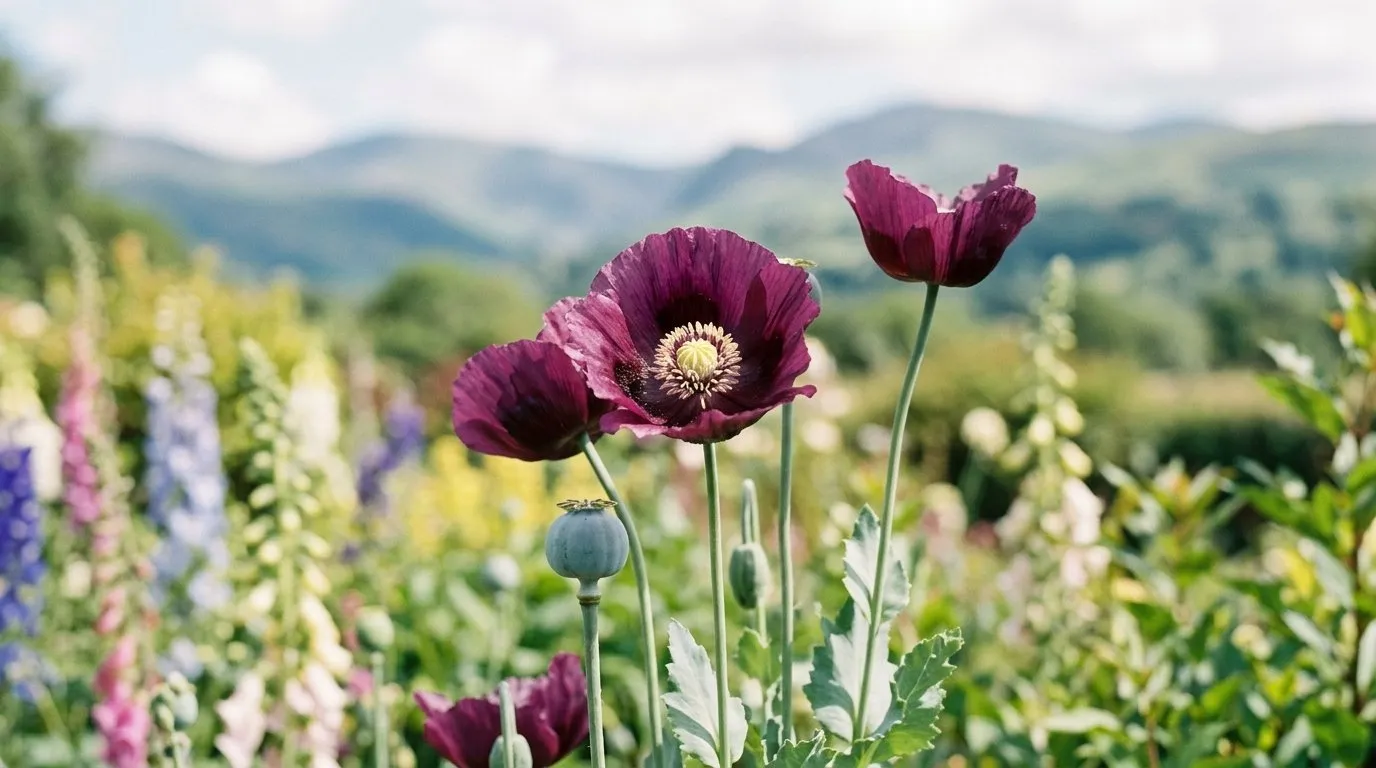
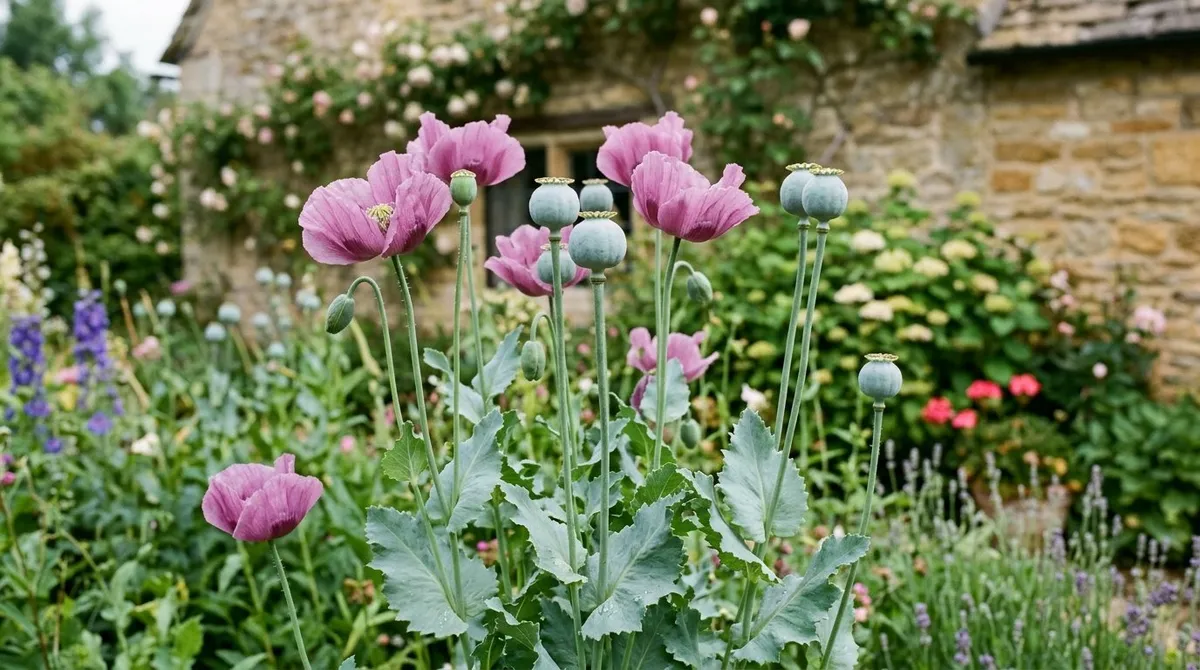
Plum single flowers like these still give plenty of seed. Doubles look lovely but set less.
What can you do with breadseed poppy seed?
Use it just like shop-bought poppy seed. Scatter it on bread rolls, bagels and crackers. Fold it into lemon and poppy seed cake, or grind it for poppy seed pastry fillings. A spoonful adds crunch to a salad dressing.
Only use seed from fully ripe, dry pods, and sieve out every bit of pod. Home-grown seed is lovely and fresh.
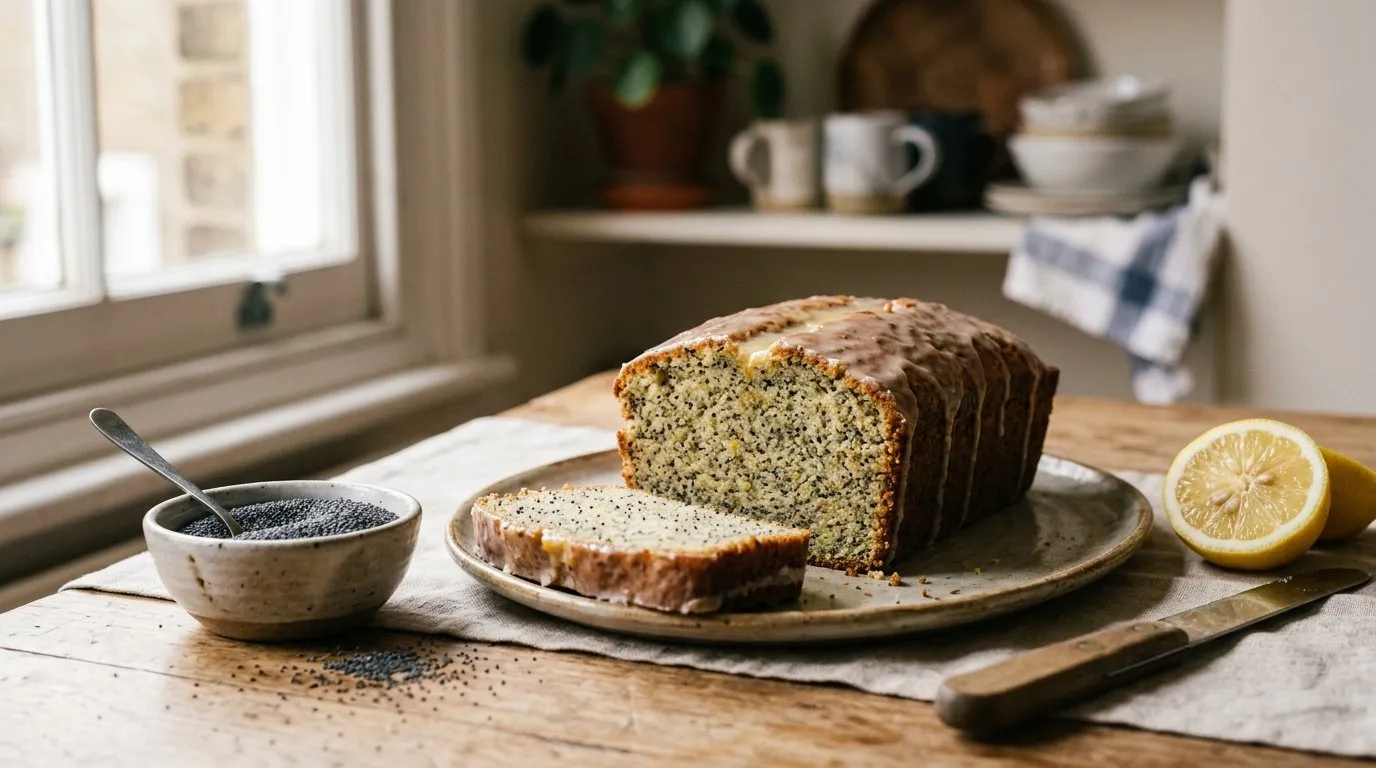
The reward for a summer of thinning: a lemon and poppy seed loaf made with your own seed.
The dried pods also look great in autumn and winter vases. The guide to the best plants for winter seedheads has more ideas. Keep pod displays out of reach of pets.
Common mistakes with breadseed poppies
Most poppy failures come from how they were sown, not from pests.
- Sowing in modules or pots. The taproot can’t be moved, so always sow direct.
- Not thinning. A thick mat of seedlings gives weak plants with tiny pods. Thin to 20cm.
- Autumn sowing on wet clay. Seedlings rot in cold, waterlogged soil. Sow in spring or use a raised bed.
- Covering the seed too deeply. It needs light, so just press it into the surface.
- Cutting every pod. Leave one or two to self-seed if you want plants next year.
Aphids sometimes gather on the buds. Squash small colonies or blast them off with water, and hoverflies soon help. Slugs graze young seedlings in wet springs. Breadseed poppies also self-seed freely, as the guide to self-seeding plants for UK gardens explains.
Frequently asked questions
Is it legal to grow breadseed poppies in the UK?
Yes, growing them for seed and flowers is legal. Seed firms sell them openly and you need no licence. What is illegal is extracting opium, for example by scoring the green pods to collect the milky sap.
Do breadseed poppies come back every year?
No, they are annuals that die after setting seed. They come back only by self-seeding. Leave one or two pods to shed and seedlings usually appear the next spring. Save some seed too, as weeding or a wet winter can wipe out self-sown plants.
When should you sow breadseed poppy seed?
Sow direct in September to October, or March to April. Autumn sowings usually give bigger, earlier plants. Scatter the seed thinly on raked soil and barely cover it. Thin the seedlings once you can handle them.
Why can’t you transplant breadseed poppies?
They grow a long taproot that breaks when moved. Seedlings raised in modules usually stall or die after planting out. Sow them where they are to flower and thin them in place.
How do you know when poppy seed heads are ready to harvest?
They are ready when pods turn beige and rattle. Small holes open under the crown like a pepper pot. Shake one over your palm, and if dark seed pours out, cut the heads on a dry day.
Can you eat the seed from garden breadseed poppies?
Yes, ripe seed is the same poppy seed used in baking. Collect it only from fully ripe, dry pods. Sieve out the bits of pod, dry it well and store it in a jar somewhere cool and dark.
Are breadseed poppies safe for pets?
No, the leaves, stems and pods are toxic to dogs and cats. Grow them where pets don’t chew plants, and keep dried pods out of reach indoors. The ripe seed sold for baking is not the worry.
Ready for more easy colour from a packet? See the best hardy annual flowers to grow from seed, or browse more ideas in growing.
Our team produces practical UK gardening guidance from source research, contributor records and established horticultural practice. Editorial standards are overseen by Matt W.