
Key takeaways
- The six main flower types are annuals, biennials, perennials, bulbs, climbers and flowering shrubs
- Annuals give the quickest, cheapest colour but last only one season
- Perennials, bulbs and shrubs come back every year and form the backbone of a garden
- Biennials such as foxgloves and wallflowers fill the gap between spring bulbs and summer flowers
- Mixing several types gives colour for most of the year, including winter
There are six main types of flowers to grow in UK gardens: annuals, biennials, perennials, bulbs, climbers and flowering shrubs. Each does a different job. Annuals give quick, cheap colour. Perennials and shrubs come back every year. Bulbs give the earliest and some of the latest flowers.
Once you know how each type works, it’s much easier to plan a garden that flowers for most of the year. This guide explains each type in plain words, with easy varieties to try and how to mix them. For month-by-month sowing and planting dates, see the UK flower planting calendar.
The six types of flowers at a glance
| Flower type | How long it lives | How you usually grow it | Best for |
|---|---|---|---|
| Annuals | One season | Sow seed in spring | Quick, cheap summer colour |
| Biennials | Two years | Sow in early summer, flowers next year | Late spring colour |
| Perennials | Many years | Buy plants or grow from seed | The backbone of a border |
| Bulbs | Many years, often spreading | Plant dry bulbs at the right season | Early spring and easy colour |
| Climbers | Many years | Plant against a wall, fence or arch | Colour in small spaces |
| Flowering shrubs | Many years | Plant in spring or autumn | Structure all year |
You don’t need all six, but using three or four together gives a longer show with fewer gaps.
Annuals: quick colour in one season
Annuals grow, flower, set seed and die in one year. They’re the quickest and cheapest way to fill a border with colour.
Hardy annuals cope with frost, so you can sow them straight into the ground from March or April. Half-hardy annuals are killed by frost. Sow them indoors in spring and plant out once frosts are over, usually late May. The guide to the best hardy annuals from seed has plenty more ideas.
Easy annuals to try:
- Cosmos has airy, daisy-like flowers from July until the first frosts. ‘Purity’ is white. Keep picking or deadheading for more flowers.
- Calendula (pot marigold) is very tough, with orange and yellow flowers from early summer to autumn. It often seeds itself.
- Nigella (love-in-a-mist) has blue flowers and pretty seed pods. Sow in September for earlier flowers, or in March.
- Sunflowers grow tall over the summer. Branching types such as ‘Velvet Queen’ give lots of flowers, and goldfinches love the seed heads.
Gardener’s tip: Sow hardy annuals in generous patches rather than single rows. Scatter the seed thinly, rake it in lightly and water. The result looks far more natural.

One summer of sowing gives you all this. Cosmos, calendula, nigella and sunflowers are some of the easiest annuals to start with.
Biennials: sow this year, flowers next year
Biennials take two years. In the first year they grow leaves. In the second they flower, set seed and die. Many seed themselves, so once you have them you often keep them.
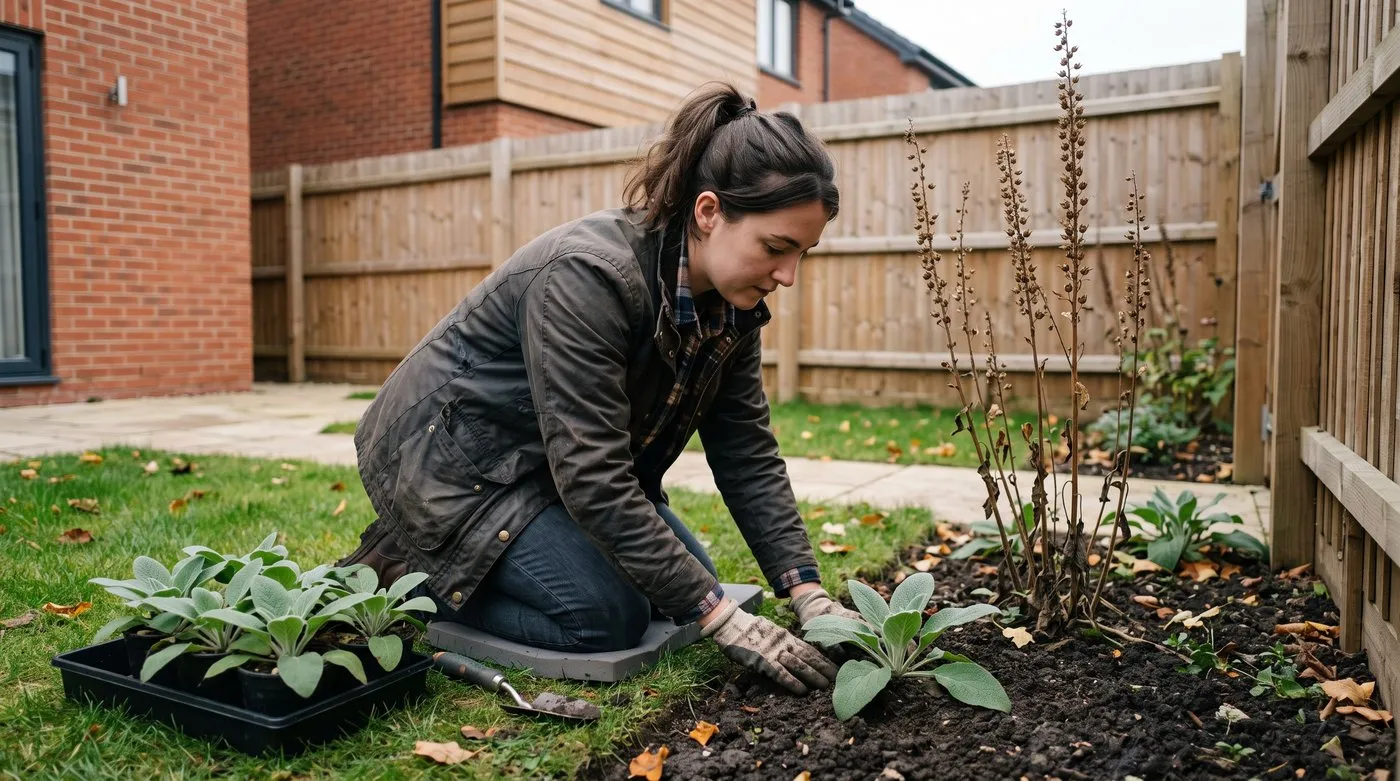
Biennials go in as leafy rosettes in autumn, then flower the following summer. Foxgloves are an easy one to start with.
Sow biennials in early summer and move them to where you want them to flower in early autumn. They flower in late spring and early summer, filling the gap between bulbs and summer flowers. The guide to sowing biennials explains the timing.
- Foxgloves are native, with tall spikes in early summer. Bumblebees love them. Every part is poisonous to people and pets, so wear gloves and keep them away from small children.
- Wallflowers are scented spring flowers, traditionally planted with tulips. ‘Blood Red’ and ‘Cloth of Gold’ are old favourites.
- Sweet William has dense clusters of red, pink or white flowers in early summer. It likes sun.
- Honesty has purple or white spring flowers, then silvery seed pods that last into winter.
Perennials: flowers that come back every year
Perennials live for several years. Most die back in autumn and regrow each spring. They form the permanent backbone of a flower border.
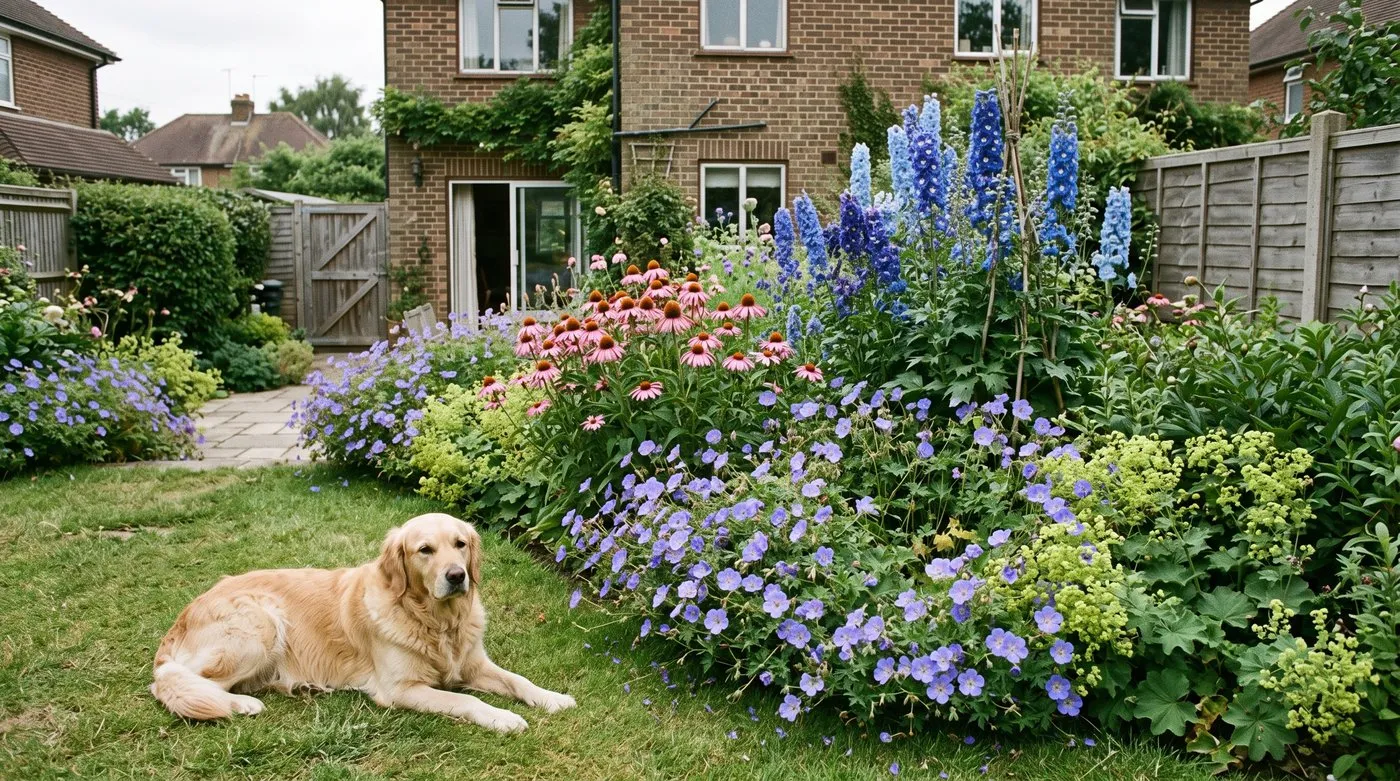
Perennials like hardy geraniums, echinacea and delphiniums come back every summer. Plant them once and enjoy them for years.
They cost more than seed at first, but you only buy them once. Many can be lifted and split every few years for free plants. Choose some that flower early, some mid-season and some late, so colour passes along the border. The guide to the best perennial plants lists many more.
- Hardy geraniums are tough, easy and good for sun or part shade. ‘Rozanne’ flowers from early summer to autumn.
- Echinacea (coneflower) has pink or white daisy flowers from mid-summer. It needs sun and well-drained soil.
- Japanese anemones flower from late summer into autumn, when many plants are fading. ‘Honorine Jobert’ is a classic white. They spread steadily, so give them room.
- Delphiniums have tall blue, purple or white spikes in early summer. They need staking, rich soil and protection from slugs.
Hardy geraniums also make good partners for roses, and the guide to companion plants for roses has more pairings.
Bulbs: the easiest flowers to grow
Bulbs are about the least work of any flower. Plant them at the right depth and many come back for years, often spreading.
Plant spring bulbs such as daffodils, crocuses and snowdrops in September and October, and tulips in November. Plant summer bulbs such as lilies, gladioli and alliums in spring or autumn, depending on the type. Dahlias, which grow from tubers, are tender. In most of the UK, lift them in autumn or mulch them deeply.
- Daffodils are the most reliable spring bulb. Plant them about 10-15cm deep in early autumn. ‘Tête-à-Tête’ is a popular dwarf one for pots.
- Alliums have round purple heads on tall stems in early summer. ‘Purple Sensation’ is easy and reliable. Alliums are toxic to cats and dogs.
- Snowdrops flower from late winter. Many people buy them “in the green”, as growing plants, in early spring.
- Crocosmia ‘Lucifer’ has arching sprays of red flowers in late summer and spreads into big clumps.

Crocuses open first, then daffodils, then tulips. Plant a mix in autumn for weeks of spring colour.
Climbers: colour on walls and fences
Climbers give you flowers without taking up much ground. They are perfect for small gardens, bare walls, fences and arches.
Most need support. Twining climbers such as honeysuckle and wisteria wrap around wires or trellis. Clematis grips with its leaf stalks, so it needs thin wires or mesh. Self-clinging climbers such as climbing hydrangea stick straight onto walls. The guide to the best climbing plants helps you match a climber to your wall.
- Clematis come in types that flower from winter to autumn. Late-flowering types such as ‘Jackmanii’ and ‘Etoile Violette’ are the easiest to prune. Cut them back to about 30cm in late winter.
- Honeysuckle is a native climber with scented flowers through summer. ‘Graham Thomas’ has creamy flowers that turn yellow.
- Wisteria has long, scented flower clusters in late spring. Buy a grafted plant, because seed-grown ones can take many years to flower. It needs a strong support and pruning twice a year.
- Common jasmine is a vigorous climber with scented white summer flowers. Grow it by a door or seat to enjoy the scent.

Climbers turn a plain brick wall into a wall of flowers. Mix types that flower at different times for a longer show.
Flowering shrubs: structure all year
Flowering shrubs give the garden shape all year, even in winter when other plants have died back. Most need just a yearly prune and a spring mulch.
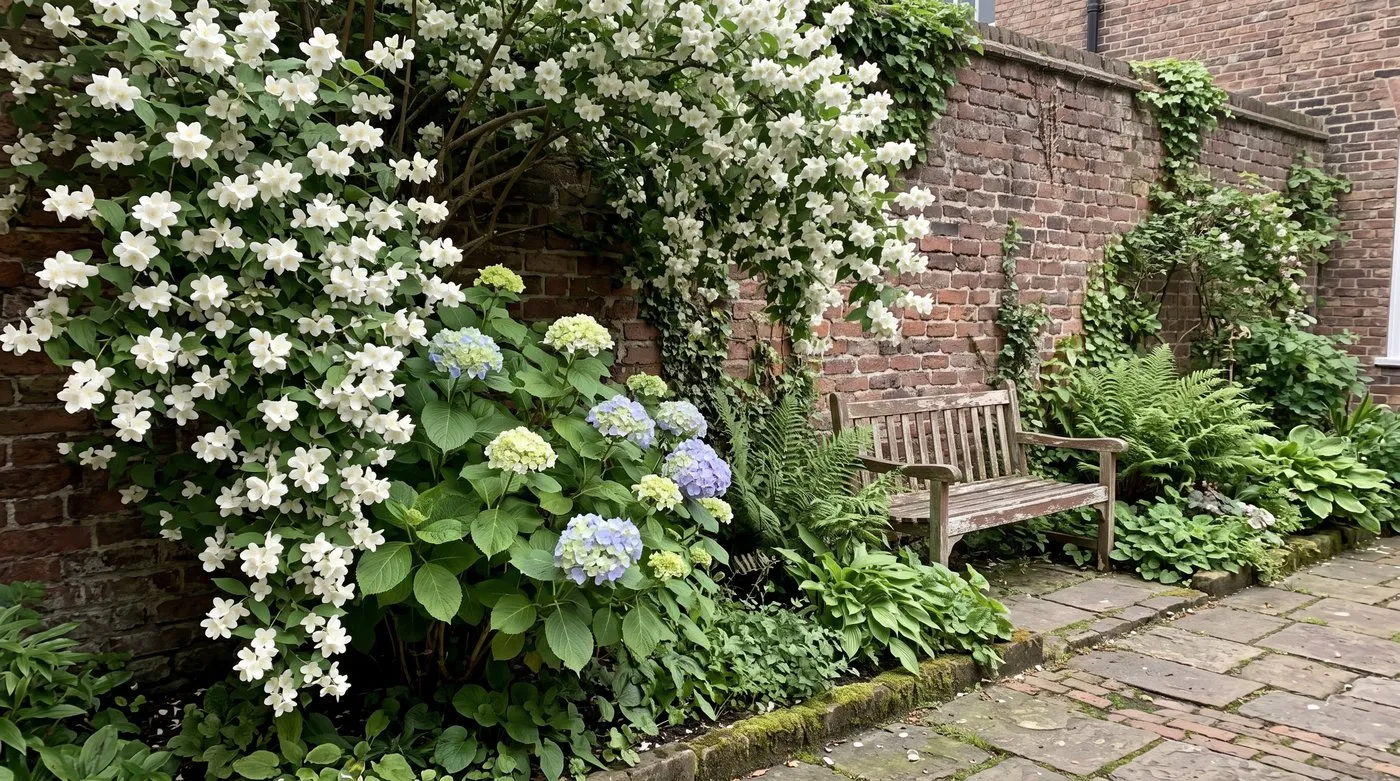
Flowering shrubs give a garden its shape. Mock orange fills a small courtyard with scent in early summer.
The key is knowing when they flower. Spring-flowering shrubs such as forsythia flower on last year’s growth, so prune them just after flowering. Many summer-flowering shrubs, such as buddleja, flower on new growth and are pruned in early spring. The guide to flowering shrubs covers more choices.
- Lavender flowers in summer and needs full sun and free-draining soil. ‘Hidcote’ is a compact, deep purple variety. It’s not safe for pets to eat.
- Buddleja has long flower spikes in summer that butterflies love. Cut it back hard each March.
- Hydrangeas flower from mid-summer. Mophead flowers turn blue on acid soil and pink on chalky soil. They are toxic to pets.
- Philadelphus (mock orange) has white, very scented flowers in early summer. Prune after flowering by taking out some of the oldest stems.
How to mix flower types for colour all year
Mixing flower types is the secret to a garden that rarely looks bare. Use this calendar to spot the gaps in yours.
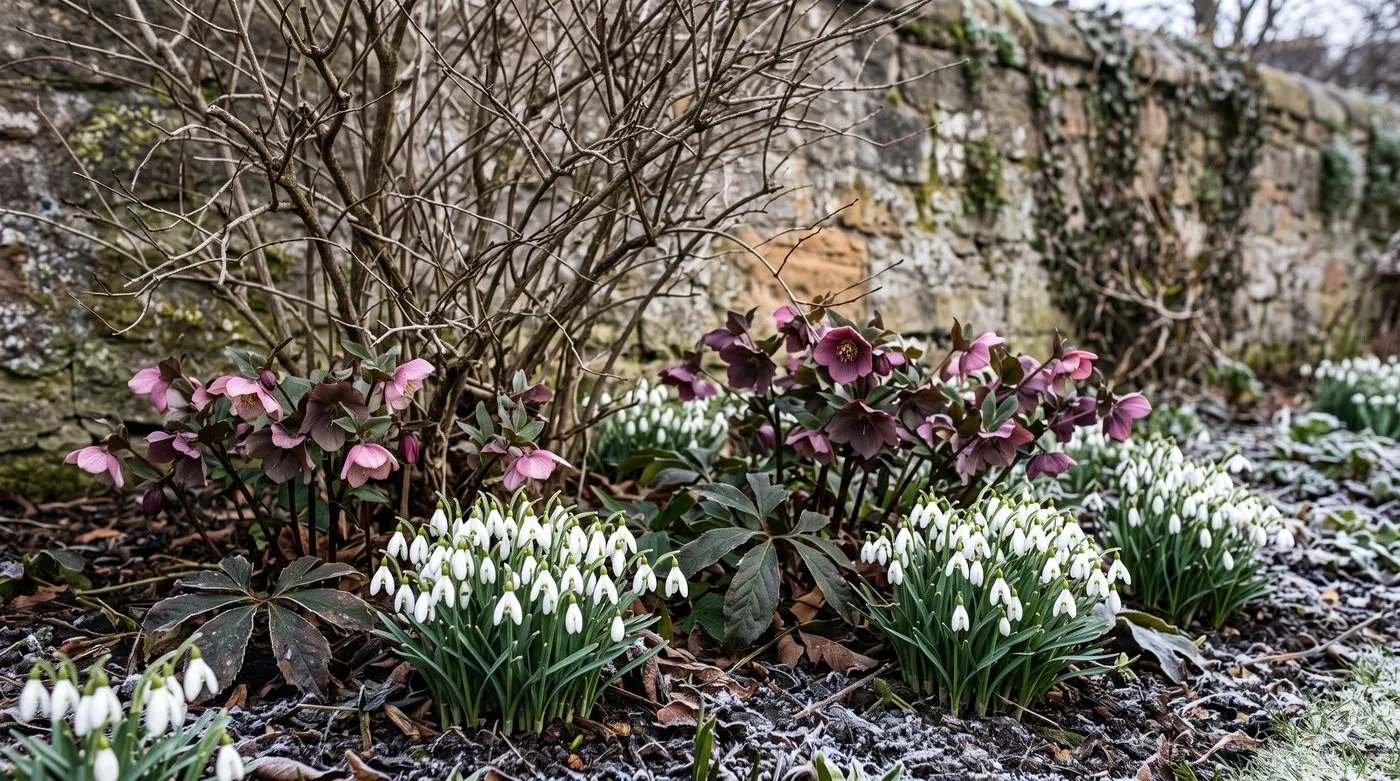
Snowdrops and hellebores bring flowers to the darkest months, when the rest of the garden is resting.
| Month | What’s in flower |
|---|---|
| January to February | Snowdrops, hellebores, winter jasmine, witch hazel |
| March | Daffodils, crocuses, pulmonaria, forsythia |
| April | Tulips, wallflowers, primroses, Clematis montana |
| May | Alliums, aquilegia, foxgloves, wisteria, lilac |
| June | Hardy geraniums, delphiniums, roses, honeysuckle, philadelphus |
| July | Cosmos, echinacea, lavender, buddleja, hydrangeas |
| August | Dahlias, rudbeckia, Japanese anemones, crocosmia |
| September | Cosmos, Japanese anemones, sedum, late clematis |
| October | Asters, sedum, calendula |
| November to December | Mahonia, winter-flowering viburnum |
Gardener’s tip: Spring and summer are easy to fill. Winter takes planning, so add a few snowdrops, hellebores and winter-flowering shrubs.
Common mistakes when choosing flower types
- Planting only annuals. The garden looks bare from late autumn to spring. Use annuals to fill gaps between perennials and shrubs.
- Ignoring soil and light. Lavender rots in wet clay, and many perennials sulk in deep shade. Check what your soil and light suit first.
- Buying everything in flower at once. Garden centre plants bought on one day often all flower together. Choose some early, mid and late flowerers.
- Forgetting winter. Snowdrops, hellebores and winter shrubs make a big difference in the darkest months.
- Planting tender plants too early. Dahlias and half-hardy annuals die in a late frost. Wait until frosts are over, usually late May.
Now you know the main types, the cottage garden planting plan shows how to put them together in one border. You’ll find more ideas on the plants hub.
Frequently asked questions
What are the easiest flowers to grow in the UK?
Hardy annuals such as calendula, cornflowers, nasturtiums and sunflowers are the easiest. Sow them straight into the ground in spring and they flower the same summer. For flowers that come back, hardy geraniums and rudbeckia are very forgiving.
What flowers come back every year without replanting?
Perennials, most bulbs and flowering shrubs come back every year. Good choices include hardy geraniums, Japanese anemones, echinacea, daffodils, snowdrops and crocuses. Some annuals and biennials, such as nigella, calendula and foxgloves, also seed themselves each year.
When should I plant flowers in the UK?
It depends on the type of flower. Sow hardy annuals outdoors from March or April. Start half-hardy annuals indoors in spring and plant out after the last frost. Plant spring bulbs in autumn, and plant perennials and shrubs in spring or autumn.
What is the cheapest way to fill a garden with flowers?
Growing hardy annuals from seed is the cheapest way. One packet can fill a good patch of border for a summer. Perennials cost more at first but come back every year, and many can be divided later for free plants.
What flowers grow well in shade in the UK?
Foxgloves, Japanese anemones, hardy geraniums and hellebores all cope with shade. For deep shade under trees, try lily of the valley or hardy cyclamen. On a north-facing wall, climbing hydrangea flowers well. Busy lizzies and begonias suit shady pots.
What is the difference between annuals and perennials?
Annuals live for one season, while perennials come back for years. Annuals grow, flower, set seed and die in one year, giving quick colour. Perennials die back in winter and regrow each spring. Most gardens use both.
Which flowers are best for UK wildlife?
Single, open flowers are best, because pollinators can reach the nectar and pollen. Lavender, foxgloves, buddleja, hardy geraniums and cosmos are all good. Native wildflowers such as oxeye daisies and red campion help too.
Our team produces practical UK gardening guidance from source research, contributor records and established horticultural practice. Editorial standards are overseen by Matt W.


