Key takeaways
- A mast year is a huge, shared seed crop across a region, followed by a lean year or two
- Oak, beech, hazel and sweet chestnut all have mast years
- Good weather while the trees flower in spring helps set a heavy crop
- The glut overwhelms seed-eaters, so some acorns and nuts survive to grow
- Expect oak seedlings in lawns and borders the following spring
- A mast year does not mean a hard winter is coming
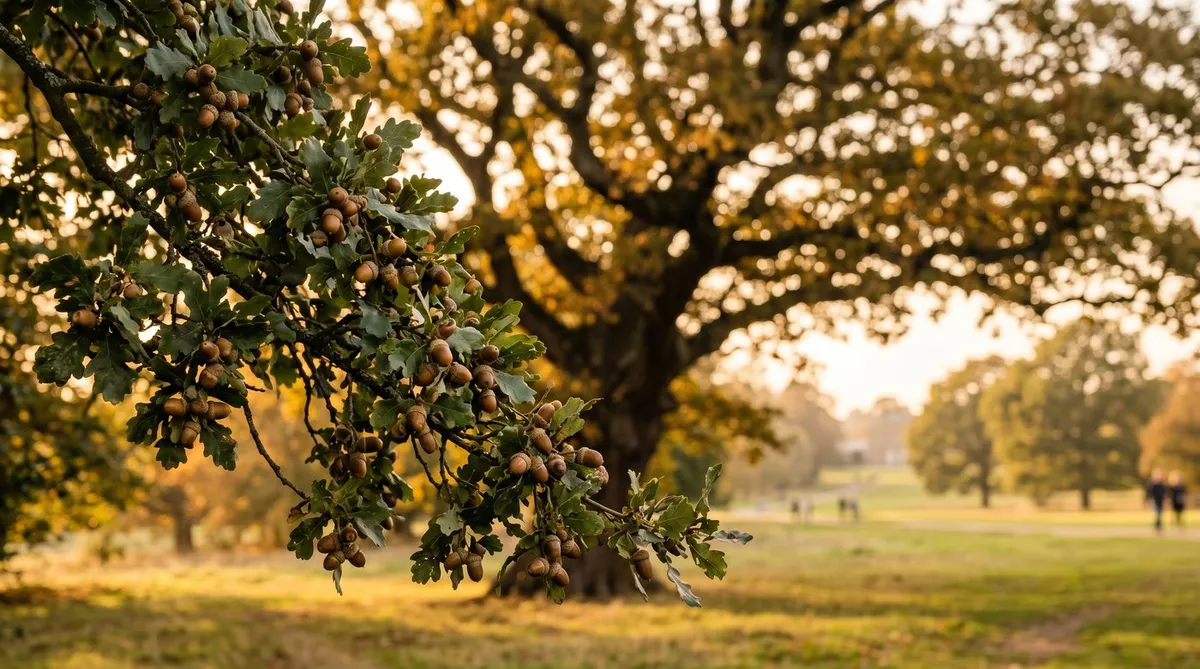
A mast year is an autumn when the oaks and beech trees go into overdrive. Acorns and nuts crunch underfoot, fill the gutters and bounce off car roofs. The next spring, little oak seedlings pop up all over lawns and borders. Then the trees go quiet again for a year or two.
It’s one of the few wildlife events you can see, hear and trip over without leaving your garden. Here’s what’s going on, why trees do it and what it means for your garden.
What is a mast year?
A mast year is when trees produce a far bigger seed crop than normal, all at the same time across a region. It isn’t one tree having a good year. Oaks for miles around crop heavily together.
The word mast is very old. It once meant the nuts and acorns on the woodland floor that pigs were turned out to eat. People still talk about beech mast for beech nuts.
After a mast year the trees rest, and the next autumn or two bring very little seed. This boom and bust is what makes mast years so interesting for wildlife.
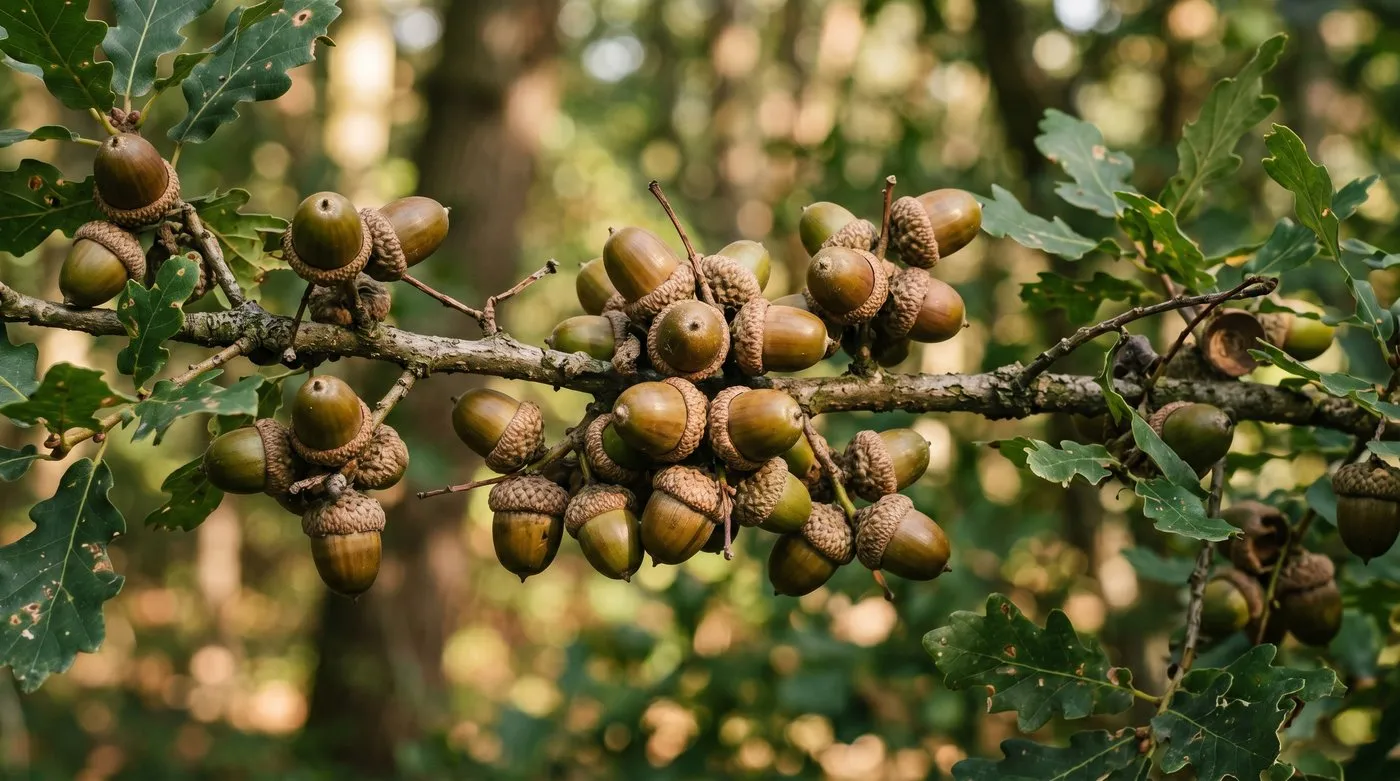
In a mast year, oak branches can be packed with acorns. In a lean year you might struggle to find any.
Why do trees have mast years?
There isn’t one simple cause. Three things work together.
A glut too big to eat
Lots of animals eat acorns and beech nuts, including jays, wood mice, bank voles, grey squirrels and deer. If a tree cropped the same small amount every year, they could eat almost all of it.
By cropping hugely in one year, the trees overwhelm the seed-eaters. There’s more than they can eat or hide, so some seeds survive to grow. The lean years in between keep seed-eater numbers down, ready for the next glut.
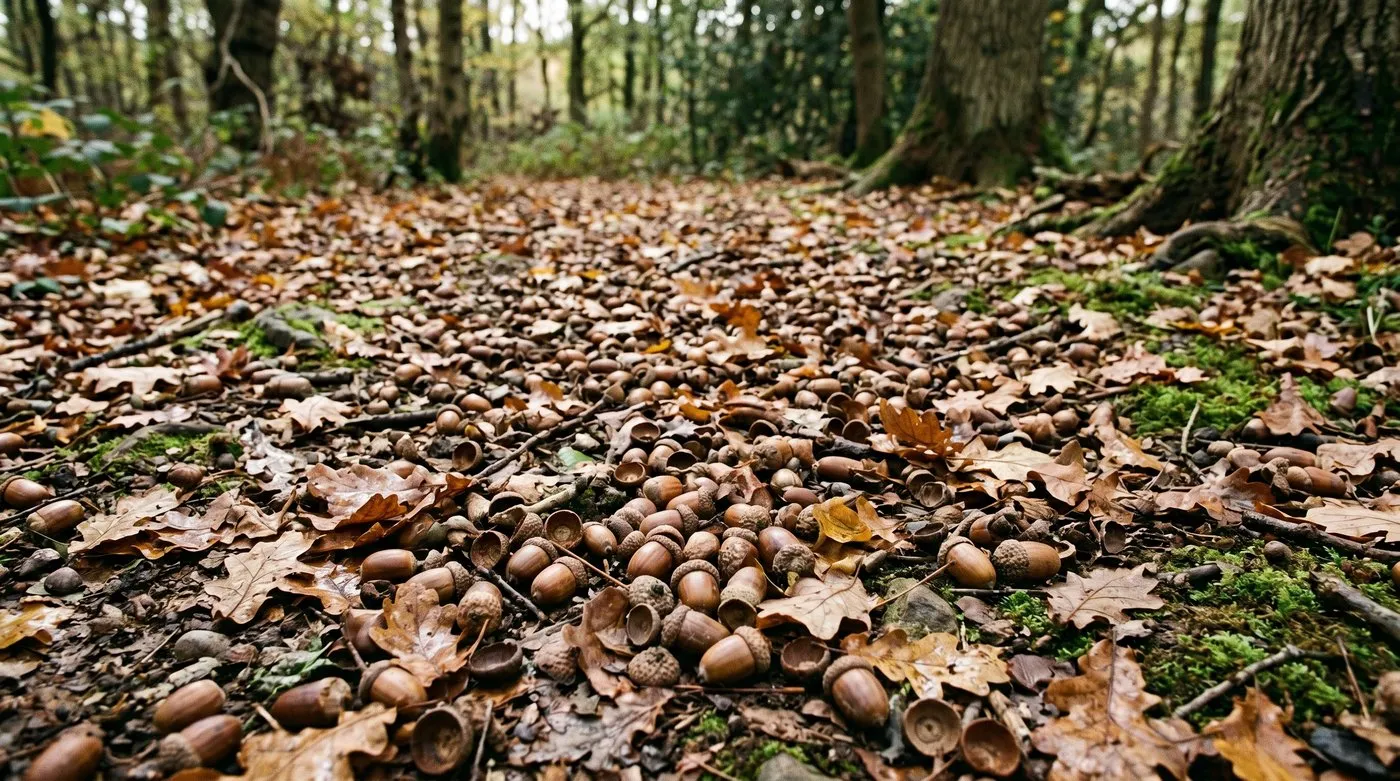
This is the point of a mast year: far more acorns than the local jays, mice and squirrels could ever eat.
Saving up energy
Making a big crop of seed takes a lot of energy. A tree can’t do it every year. After a heavy crop it spends a year or two building up its reserves again.
Weather while the trees flower
Oak and beech are pollinated by the wind. Good weather while they flower in spring helps the pollen travel and the flowers set seed. Because the weather is similar across a region, all the trees get the same signal and crop together. A cold, wet spring often means a poor crop everywhere. Weather the summer before matters too, as that’s when the trees store energy and form their flower buds.
How does a mast year affect garden wildlife?
A mast year is a big pulse of food, and the effects run on into the following year.
Jays are the great acorn planters. Each autumn they carry acorns away and bury them, one or two at a time, to eat later. Plenty are forgotten and grow into new oaks. Wood mice and bank voles breed well on the surplus, so their numbers rise the next spring. Grey squirrels fatten up too.
That boom then feeds the animals further up the food chain. Tawny owls often raise more chicks after a mast year, because there are more mice and voles to catch. Weasels, stoats and foxes do well too. Numbers drop again in the lean years.
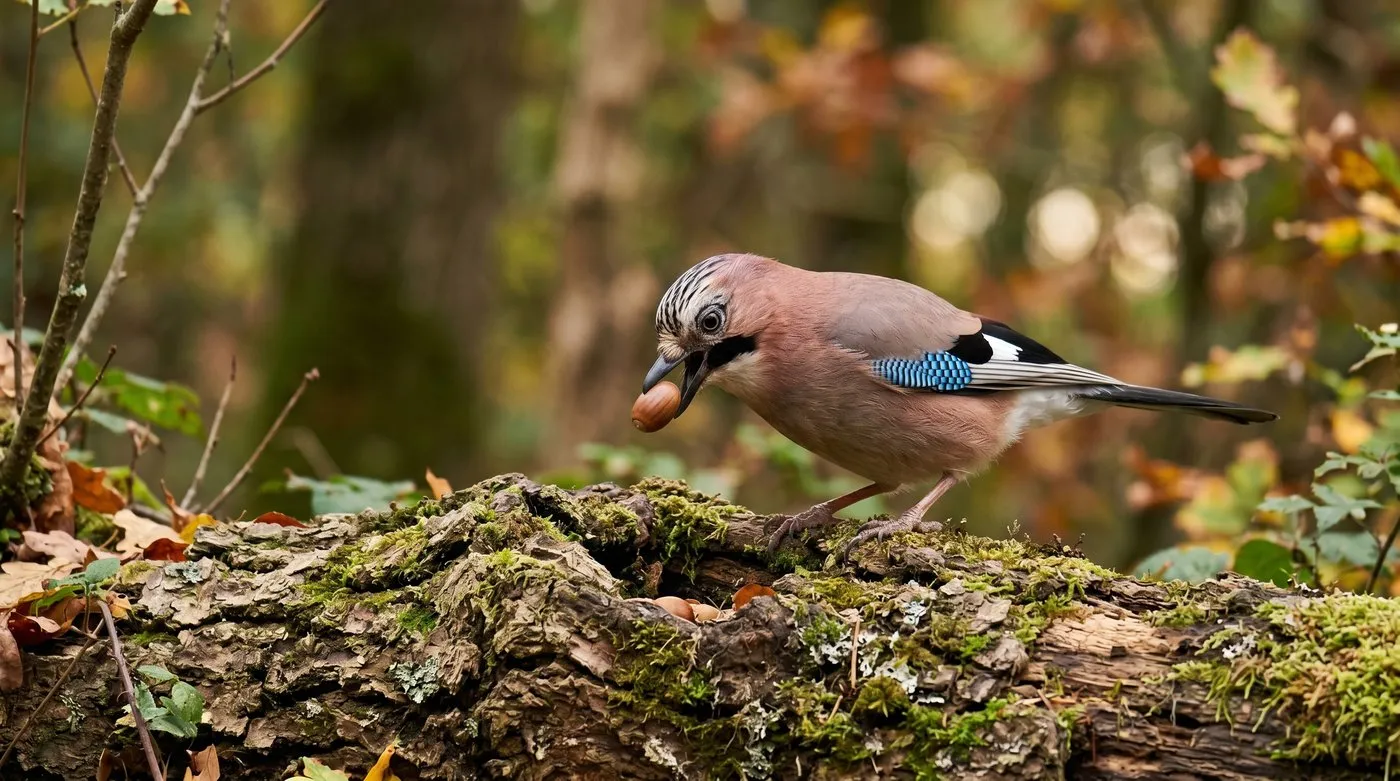
A jay heading off to bury an acorn. The ones it forgets often grow into new oak trees.
Mast year or normal year: what’s the difference?
| Mast year | Normal year | |
|---|---|---|
| Acorns and nuts | A thick carpet underfoot | A scattering |
| Seedlings next spring | Lots, in lawns, beds and pots | A few |
| Seed-eating wildlife | Mice, voles, jays and squirrels do very well | Steady or falling numbers |
| The next autumn | Very few acorns or nuts | Similar crop again |
| Around the house | Blocked gutters, slippery paths | Little nuisance |
Which UK trees have mast years?
The big mast trees are wind-pollinated trees with hard, nutritious seeds.
| Tree | Rough pattern |
|---|---|
| English oak (pedunculate oak) | Heavy crops every two to five years |
| Sessile oak | Heavy crops every two to five years |
| Beech | Heavy crops less often, with longer gaps |
| Hazel | Crops most years, with clear boom years |
| Sweet chestnut | Crops most years, with clear boom years |
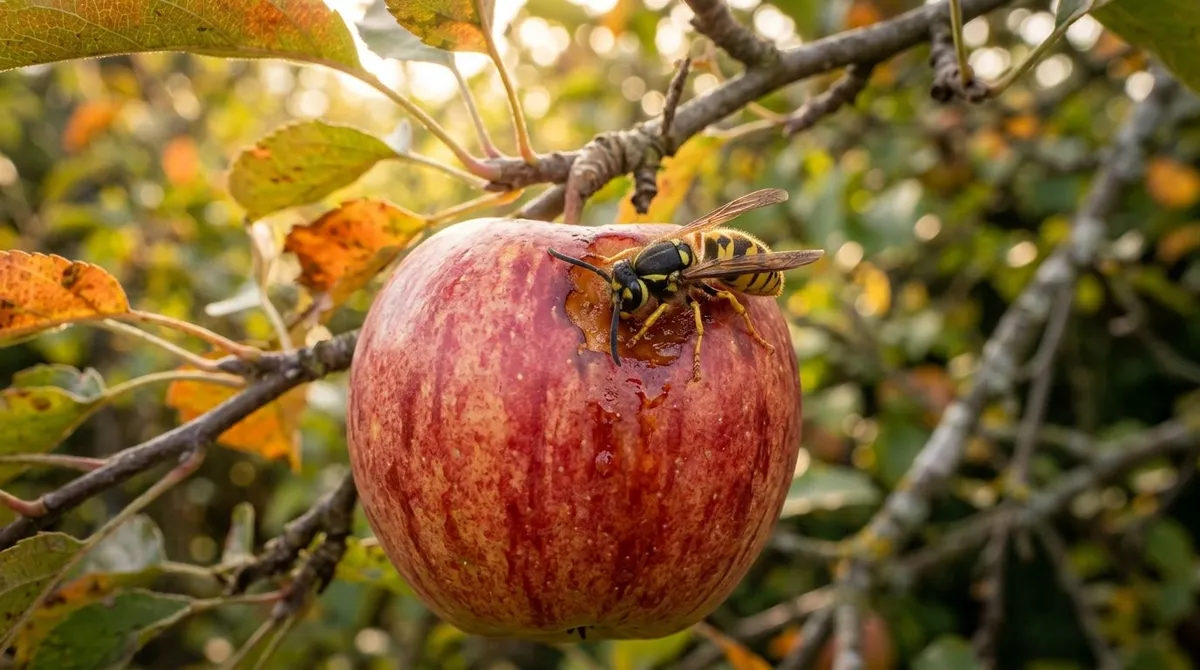
Fruit trees have a similar habit called biennial bearing. An apple or pear crops heavily one year, then poorly the next. Our guide to biennial bearing in fruit trees explains how to even it out by thinning fruit.
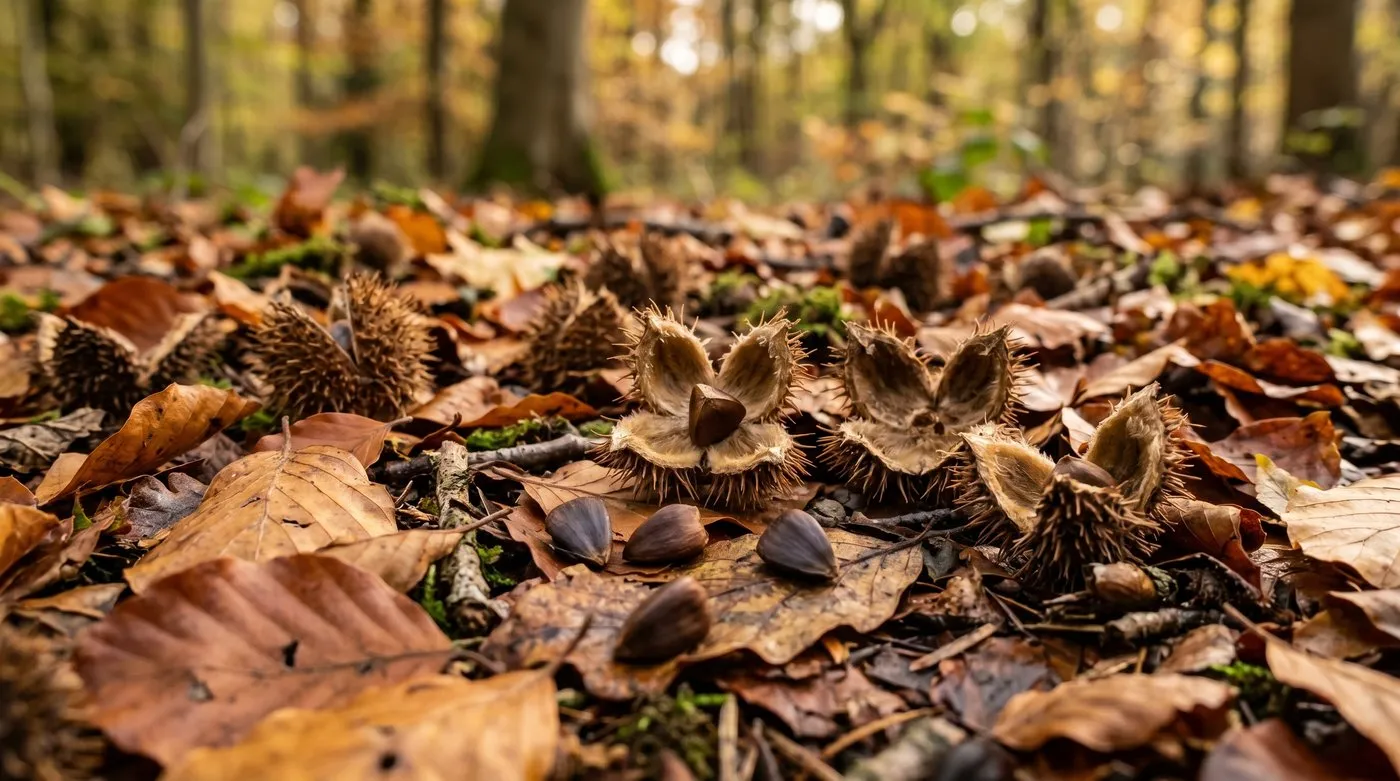
Beech mast. The bristly husks split open to drop small three-sided nuts. Beech masts less often than oak.
What will you notice in the garden?
You don’t need to be a tree expert to spot a mast year.
- Crunch underfoot. Lawns, paths and drives fill with acorns or nuts.
- Blocked gutters. Acorns and husks collect in gutters under oak and beech, so clear them in late autumn.
- Busy birds. Jays, wood pigeons and nuthatches work the trees. Squirrels may bury acorns in your pots and borders. Our guide to stopping squirrels digging up bulbs helps protect your planting.
- Seedlings next spring. Young oaks appear in lawns, borders, pots and gravel, often far from any oak tree.
Acorns can make dogs ill if they eat lots of them. If your dog likes to chew them, sweep them up where it plays. Our guide to plants toxic to dogs covers other garden risks.
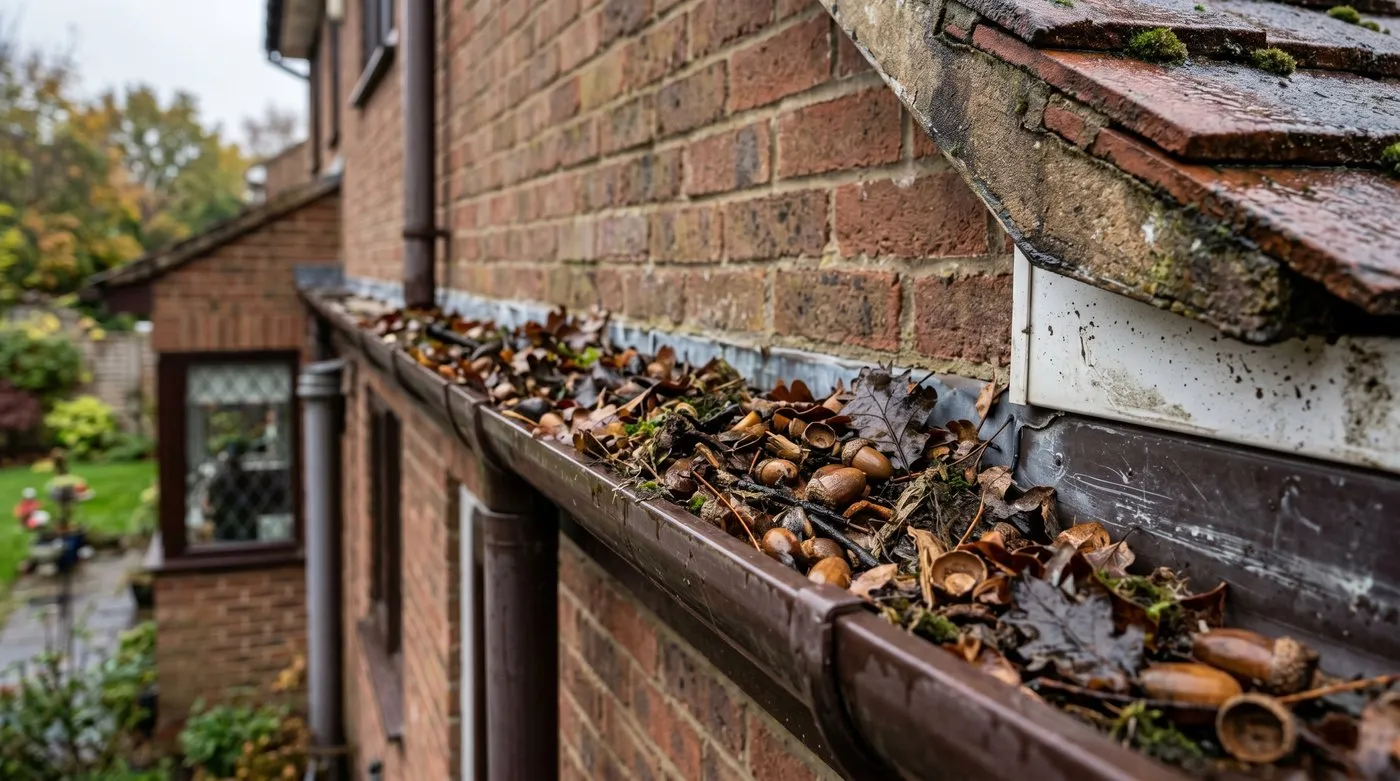
Gutters under oak trees fill up fast in a mast year. Clear them before the winter rain arrives.
What to do with a mast year glut
A mast year gives you free acorns and free seedlings.
Sweep up acorns from paths and steps, where they can be slippery. They’re slow to rot, so crush them before adding them to the compost heap.
Pull or mow seedlings in lawns and borders while they’re small. Oak seedlings grow a long taproot quickly, so they’re much easier to remove in their first spring.
Grow your own oak. Collect a few plump, fresh acorns in autumn and sow them straight away, as they dry out quickly. Push each one on its side into a deep pot of compost, just covered. Keep the pot outside and protect it from mice and squirrels. A full-size oak is far too big for most gardens, so think about where it will end up. Our list of small native trees for UK gardens has better choices for small plots. If you like the idea of a nut harvest, see our guide to growing nut trees in the UK.
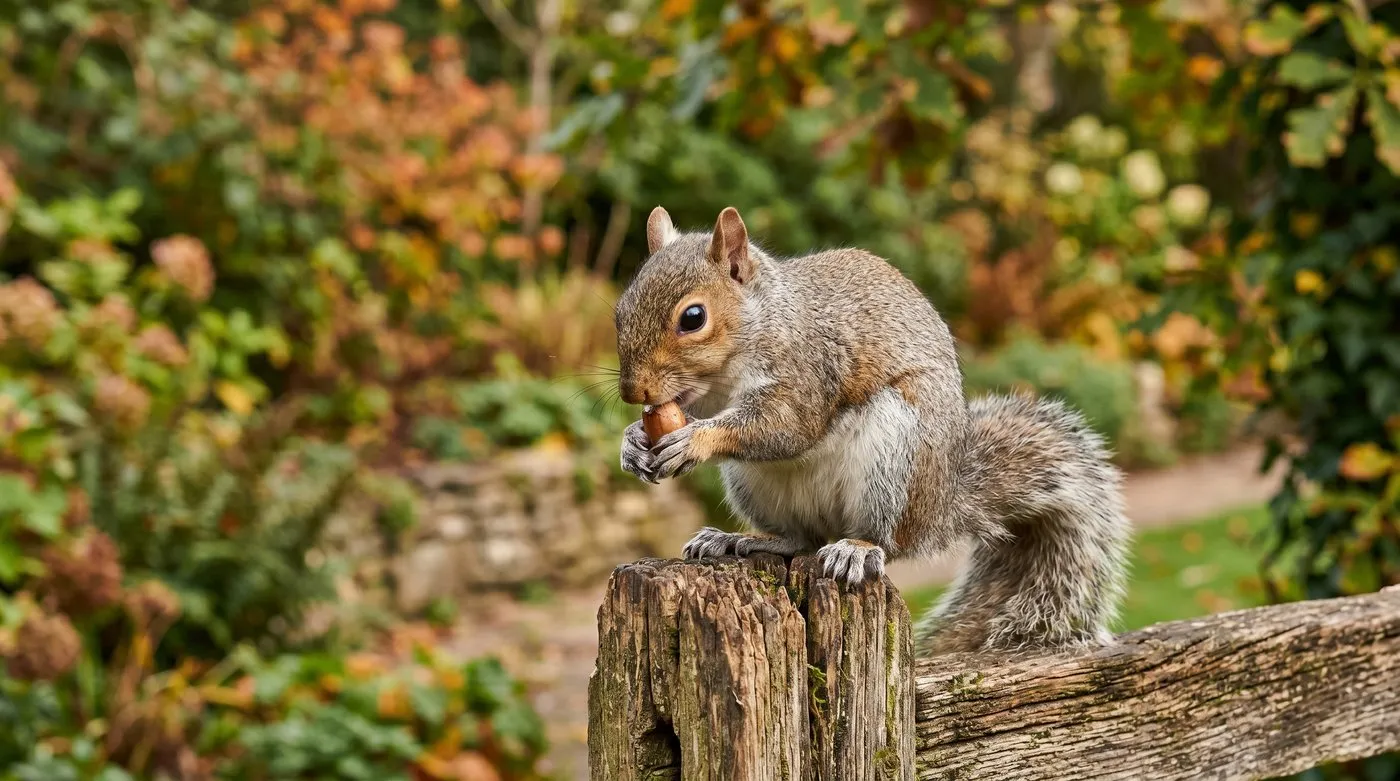
Squirrels feast in a mast autumn, and bury plenty of acorns in pots and borders for later.
How can you tell if a mast year is coming?
Watch your local oaks and beech through the year. A warm, settled spell while they flower in late April and May is a good sign. By midsummer you can see small acorns and beech husks forming on the branches. By September the ground tells you the answer.
If you enjoy noticing this sort of thing, the Woodland Trust’s Nature’s Calendar lets anyone record seasonal events such as ripe acorns and nuts.
Common myths about mast years
“Lots of acorns means a hard winter.” Not true. The crop was set by spring weather months earlier. Trees can’t predict the winter.
“All trees mast in the same year.” Not true. Oak, beech, hazel and chestnut follow their own patterns. Trees of the same kind in the same area tend to crop together.
“A mast year means the tree is extra healthy.” Not really. A big crop drains the tree’s reserves, which is why a lean year follows.
“More acorns means lots more oaks.” Only a few. Animals still eat most of the crop. A mast year just lets a small surplus escape and grow.
A mast year is a good reminder of how much one big tree does for garden wildlife. To turn the autumn bounty into more birdlife, pair it with feeders and water, as explained in how to attract birds to your garden. Ready to plant a tree of your own? Read our guide to the best trees for small gardens to find one that fits. For more nature explainers, visit the wildlife hub.
Frequently asked questions
What is a mast year in simple terms?
It’s an autumn when trees drop a far bigger seed crop than usual. Oaks, beech, hazel and sweet chestnut all do it, and trees across a whole region crop together. Then they produce very little for a year or two.
What causes a mast year?
Good weather while the trees flower in spring is a big part of it. Warm, dry spells help pollen travel and flowers set seed. The tree also needs stored energy, which is why a lean year usually follows. Cold, wet springs often lead to a poor crop.
How often do mast years happen in the UK?
Every few years, but not on a regular timetable. Oaks often mast every two to five years. Beech usually masts less often. Hazel and sweet chestnut crop more regularly but still have boom and lean years.
Why do trees have mast years instead of cropping evenly?
A sudden glut overwhelms the animals that eat the seed. Jays, mice and squirrels can’t eat or store it all, so some survives to grow. The lean years in between keep seed-eater numbers down.
What happens to wildlife after a mast year?
Seed-eating animals usually do very well the following year. Wood mice and bank voles breed more, and owls and other predators then do better too. Numbers drop back in the lean years that follow.
Is a mast year a sign of a hard winter coming?
No, a mast year doesn’t predict the winter. The crop was set months earlier, when the trees flowered in spring. Trees can’t forecast the weather ahead.
Are acorns poisonous to dogs?
Yes, acorns can make dogs ill if they eat them. They can upset the stomach and cause blockages, and large amounts are more serious. Sweep them up where your dog plays, and call a vet if you’re worried.
Our team produces practical UK gardening guidance from source research, contributor records and established horticultural practice. Editorial standards are overseen by Matt W.