Key takeaways
- Lysimachia likes moist soil in sun or part shade, and is great beside ponds and in bog gardens
- Gooseneck, yellow loosestrife and 'Firecracker' spread fast by underground roots
- A large bottomless or sunken pot keeps spreading types in their own space
- Golden creeping jenny makes a low, trailing carpet and grows well at a pond edge
- Lift and divide clumps every few years in spring or autumn
- Cut off fading flowers to stop self-seeding
Lysimachia is a group of easy, hardy perennials for moist soil. Grow it in sun or part shade, keep the soil damp, and it flowers from early summer into August. The catch is that several types spread fast underground, so plan where they go before you plant.
This guide covers the main types to grow, where they’re happiest, and the simple tricks that stop them taking over the border.
Which lysimachia types grow best in UK gardens?
Five types cover most garden uses, from a pond edge to a sunny border. They vary a lot in how far they roam.
| Type | Common name | Height | Flowers | Spread |
|---|---|---|---|---|
| L. clethroides | Gooseneck loosestrife | About 90cm | White, hooked spikes, July to September | Spreads fast |
| L. punctata | Yellow loosestrife | About 90cm | Yellow stars up the stems, June to August | Spreads fast |
| L. ciliata ‘Firecracker’ | Firecracker loosestrife | About 90cm | Lemon-yellow, nodding, with purple leaves | Spreads |
| L. nummularia ‘Aurea’ | Golden creeping jenny | Ground-hugging | Yellow cups, early summer | Trails, easy to pull up |
| L. ephemerum | Milky loosestrife | About 1m | Grey-white spires, summer | Stays in a clump |
Gooseneck loosestrife is the one most people fall for. The white flower spikes bend over at the tip like a row of geese, and they are lovely for cutting. ‘Firecracker’ has dark purple leaves that make the yellow flowers glow. Milky loosestrife is the best pick if you hate spreaders.
Don’t confuse these with purple loosestrife (Lythrum salicaria), a different native plant for wet ground.

Golden creeping jenny looks great tumbling over a wall or a pot edge. Give it moist soil and some sun for the brightest colour.
Where to plant lysimachia
Plant lysimachia in moist soil in sun or part shade. It thrives in heavy, damp clay that many plants hate. The sunnier the spot, the more important it is that the soil stays damp in summer.
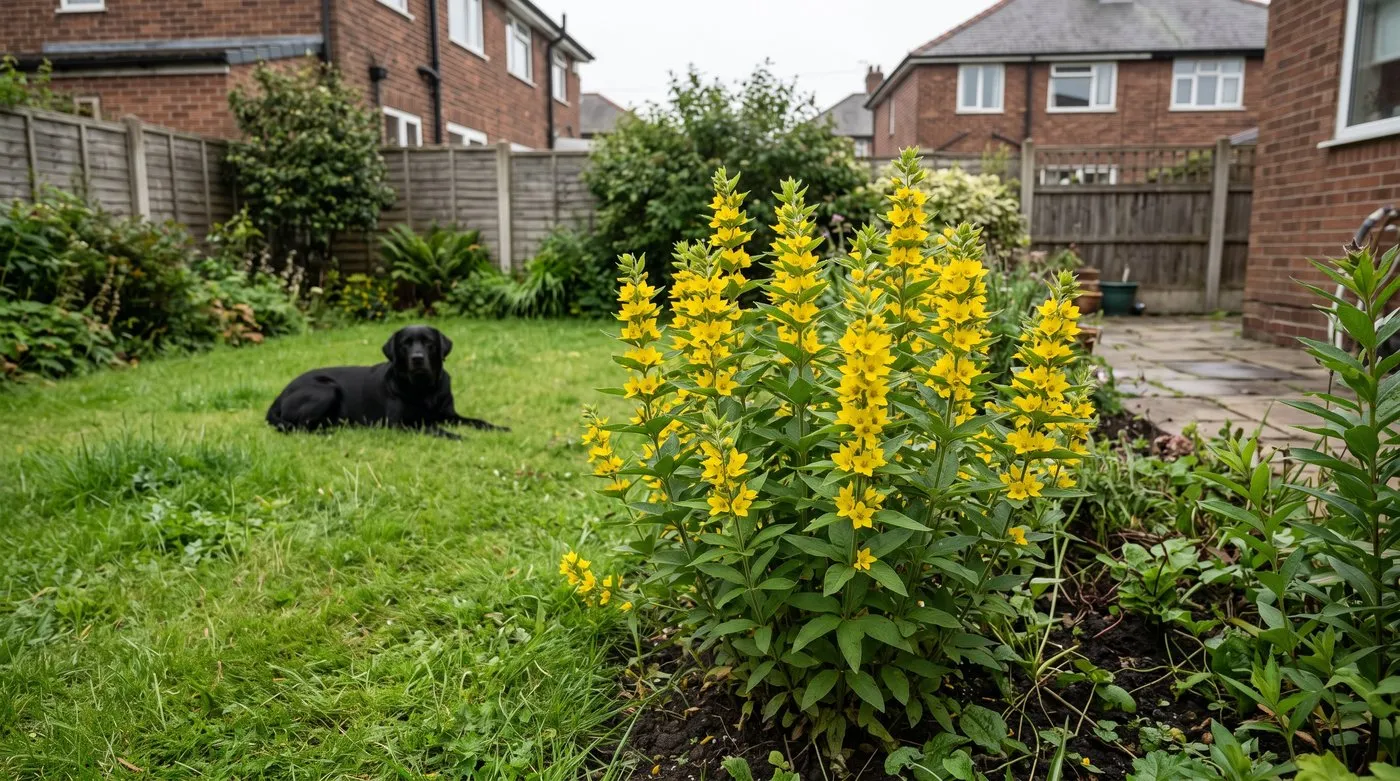
Yellow loosestrife loves heavy, damp soil like this, but it spreads fast, so give it room or a sunken pot.
Good spots include:
- Pond edges and bog gardens. The guide to making a bog garden shows how to create damp ground on purpose.
- Damp borders on clay. It’s one of the easier plants for clay soil.
- Shady, damp corners for creeping jenny, though it turns greener in deep shade.
Avoid dry, sandy soil in full sun. Plants wilt, flower poorly and need constant watering. For more choices for soggy ground, see the guide to plants for wet, boggy soil.
How to plant lysimachia
Plant pot-grown lysimachia in spring or autumn, when the soil is moist and warm.
- Dig a hole a little wider than the pot and add some garden compost.
- Set the plant at the same depth it was growing in its pot.
- Firm it in and water well.
- Water in dry spells through the first summer while the roots settle.
Space tall types about 60cm apart. Plant creeping jenny about 30cm apart and it will knit into a carpet within a season or so. Tall types may need a few twiggy pea sticks pushed in around them in spring, especially in rich, damp soil.
Container-grown plants usually flower a little in their first summer and put on a proper show from the second year.

‘Firecracker’ keeps its darkest purple leaves in a sunny spot, which makes the yellow flowers stand out.
How to stop lysimachia spreading
Most garden lysimachia spreads by underground roots that creep outwards each year. Small pieces left in the soil can regrow. A little planning keeps it where you want it.
Plant in a sunken pot. Use a large, sturdy plastic pot or bucket with drainage holes. Sink it into the border, leaving the rim a couple of centimetres above the soil. The sides stop the roots, and the rim stops runners creeping over.
Use a root barrier. Bamboo root barrier, sunk deep into the soil around the clump, does the same job for a bigger patch. Check the top edge each year for roots sneaking over.
Lift and divide. Every few years, dig up the clump, replant a healthy piece and pull out any roots that have wandered.
Cut off fading flowers. This stops self-seeding. Yellow loosestrife and gooseneck can seed around in damp ground.
If a patch has already got away from you, dig out as much root as you can and keep pulling regrowth. The guide to garden thugs that take over covers other vigorous plants to watch.

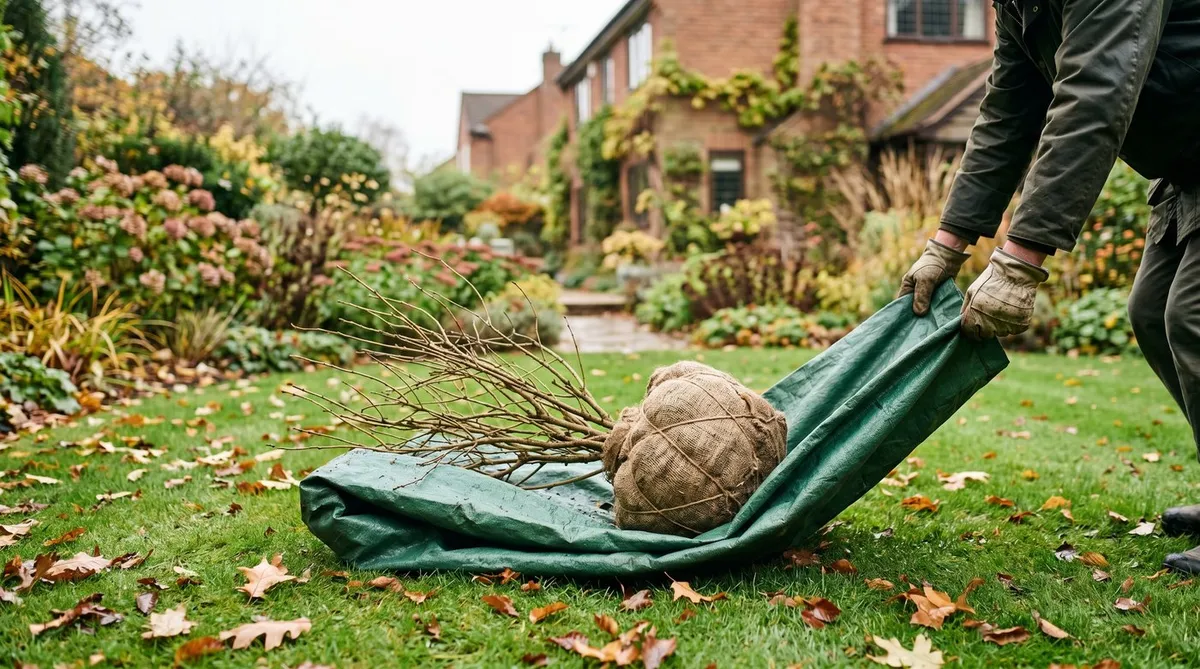
Lysimachia roots run sideways under the soil. Any piece left behind can grow into a new plant.
Dividing and propagating lysimachia
Divide lysimachia in spring or autumn, when it isn’t flowering. It refreshes old clumps and gives you free plants.
Lift the whole clump with a fork. Shake or hose off the soil so you can see the roots. Cut it into pieces with a sharp spade or old bread knife, each with a few healthy shoots. Throw away the tired, woody middle and replant the outer pieces at the same depth. Water them in well.
Creeping jenny is even easier. Its trailing stems root where they touch the soil, so just snip off a rooted piece and plant it. Tip cuttings also root easily in a pot of damp compost in spring and summer. The guide to cuttings, division and layering covers the methods in more detail.

Hose off the soil before you divide, so you can see where to cut. Keep pieces with several healthy shoots.
Good companions for lysimachia
Pair lysimachia with plants that like the same damp soil.
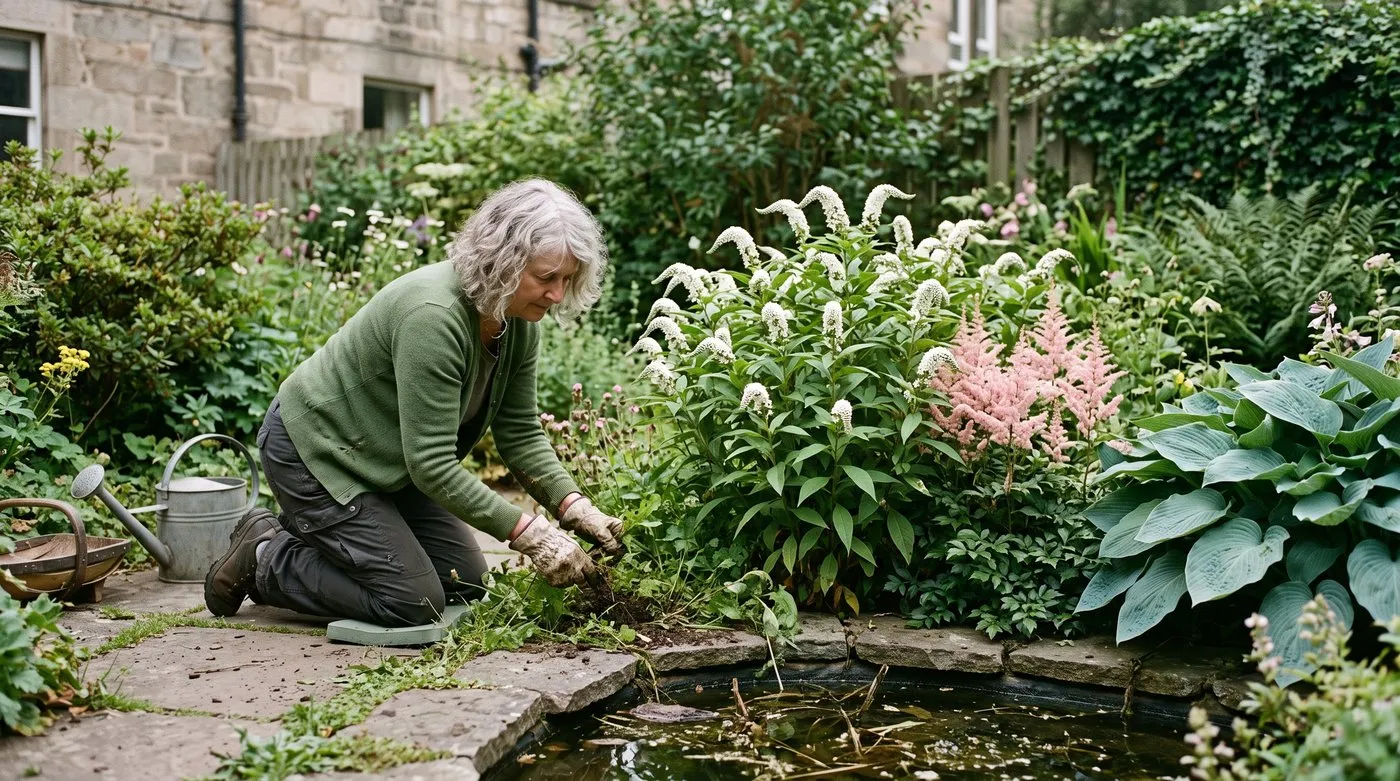
Astilbe and hostas enjoy the same damp soil as gooseneck loosestrife, so they make easy pond-side partners.
- Pond edges and bog gardens: marsh marigold, astilbe, hostas, Japanese iris and meadowsweet.
- Damp, shady borders: pulmonaria, brunnera and ferns.
- Sunny, damp borders: persicaria, sanguisorba and purple loosestrife.
- With creeping jenny: dark-leaved heucheras, ajuga and hardy geraniums, which contrast well with its gold leaves.
Lysimachia care through the year
| Month | What to do |
|---|---|
| March | Cut back old stems. Mulch around plants with compost or leaf mould |
| April | Plant new plants. Divide clumps. Push in twiggy supports for tall types |
| May | Watch for slugs on young shoots. Water new plants in dry spells |
| June | Yellow loosestrife and creeping jenny start flowering |
| July | Gooseneck and ‘Firecracker’ in flower. Keep the soil moist |
| August | Cut off fading flowers to stop self-seeding |
| September | Pull up any runners that have escaped |
| October | Divide or plant while the soil is still warm |
| November to February | Leave or tidy dead stems. Little else to do |
Common mistakes with lysimachia
- Planting a spreader in an open border. Yellow loosestrife and gooseneck can swamp small plants. Use a sunken pot or pick milky loosestrife.
- Dry, sunny soil. Plants wilt and flower poorly. Grow it where the soil stays damp.
- Letting it seed. Cut off fading flowers in late summer.
- Leaving clumps for years. Old clumps get crowded and spread further. Divide every few years.
- Deep shade for golden creeping jenny. It turns lime-green. Give it some sun.
Frequently asked questions
Is lysimachia invasive in UK gardens?
Several types spread fast in the garden, though none is a banned plant. Yellow loosestrife (L. punctata), gooseneck loosestrife and ‘Firecracker’ all creep outwards on underground roots. Creeping jenny spreads by trailing stems that are easy to pull up. Milky loosestrife (L. ephemerum) stays in a tidy clump.
Does lysimachia like sun or shade?
Most lysimachia grows best in sun or light shade with moist soil. The sunnier the spot, the damper the soil needs to be. Yellow loosestrife copes with more shade but flowers less. ‘Firecracker’ keeps its darkest leaf colour in sun.
When should I plant lysimachia?
Plant pot-grown lysimachia in spring or autumn. It can go in any time the ground isn’t frozen or dry, but spring and autumn give it the best start. Water well after planting and through dry spells in the first summer.
How do I stop lysimachia from spreading?
Plant it in a large sunken pot or behind a root barrier. Leave the rim of the pot just above the soil so roots can’t creep over. Lift and divide clumps every few years and pull up any runners that escape. Cut off flowers as they fade so they can’t seed.
Will lysimachia grow in a pond?
Creeping jenny will grow in very shallow water at a pond edge. The taller types prefer damp soil beside the pond rather than standing water. They are ideal for a bog garden or the wet ground around a wildlife pond.
Why is my creeping jenny turning green?
Usually it is growing in too much shade. Golden creeping jenny turns lime-green in deep shade and keeps its brightest gold in sun or light shade. Keep the soil moist, as hot, dry spots scorch the leaves.
What pests attack lysimachia?
Lysimachia is mostly trouble-free. Slugs and snails sometimes nibble young shoots in spring. Powdery mildew can appear in dry summers, so keep plants watered and give them some space for air to move.
Want more low creepers like creeping jenny? See the guide to the best ground cover plants for UK gardens, or browse more plant guides.
Our team produces practical UK gardening guidance from source research, contributor records and established horticultural practice. Editorial standards are overseen by Matt W.