Key takeaways
- Mix 5 parts compost, 3 parts powdered clay and 1 part seed by volume
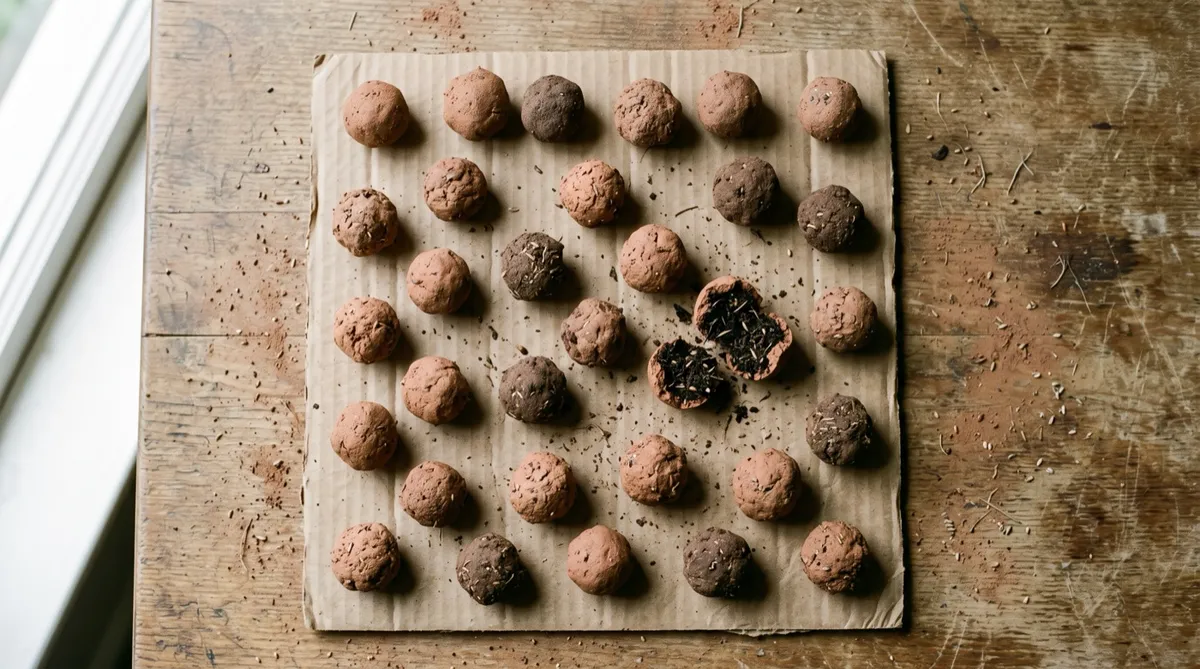
- Roll walnut-sized balls about 2cm across and dry them slowly, out of the sun
- Cornfield annuals like poppy and cornflower suit seed bombs best
- Throw them onto bare soil in April to May, or September to October
- Use them in your own garden, or ask the landowner first
- Check the seed packet for corncockle, which is poisonous if eaten
Seed bombs are little balls of compost, clay and wildflower seed that you dry and then throw onto bare soil. They’re a brilliant, messy craft for children, and they do grow if you get a few simple things right.
The secret is in four choices: the mix, the size, slow drying and the right seed. This guide walks you through each one. If you’d rather sow wildflowers the traditional way, our guide on when to sow wildflower seeds covers that.
Why seed bombs work better than scattering seed
A seed bomb gives each seed its own little seedbed. Scattered seed often lands on a dry crumb, gets eaten by birds or blows away.
The clay holds water against the seed and protects it from birds until rain softens the ball. The compost gives the seedlings something to root into straight away. The seed only gets going once the clay is wet enough, which roughly lines up with good growing weather.
It’s still not magic. A seed bomb thrown into thick grass will struggle, just like loose seed. Bare soil is what makes it work.
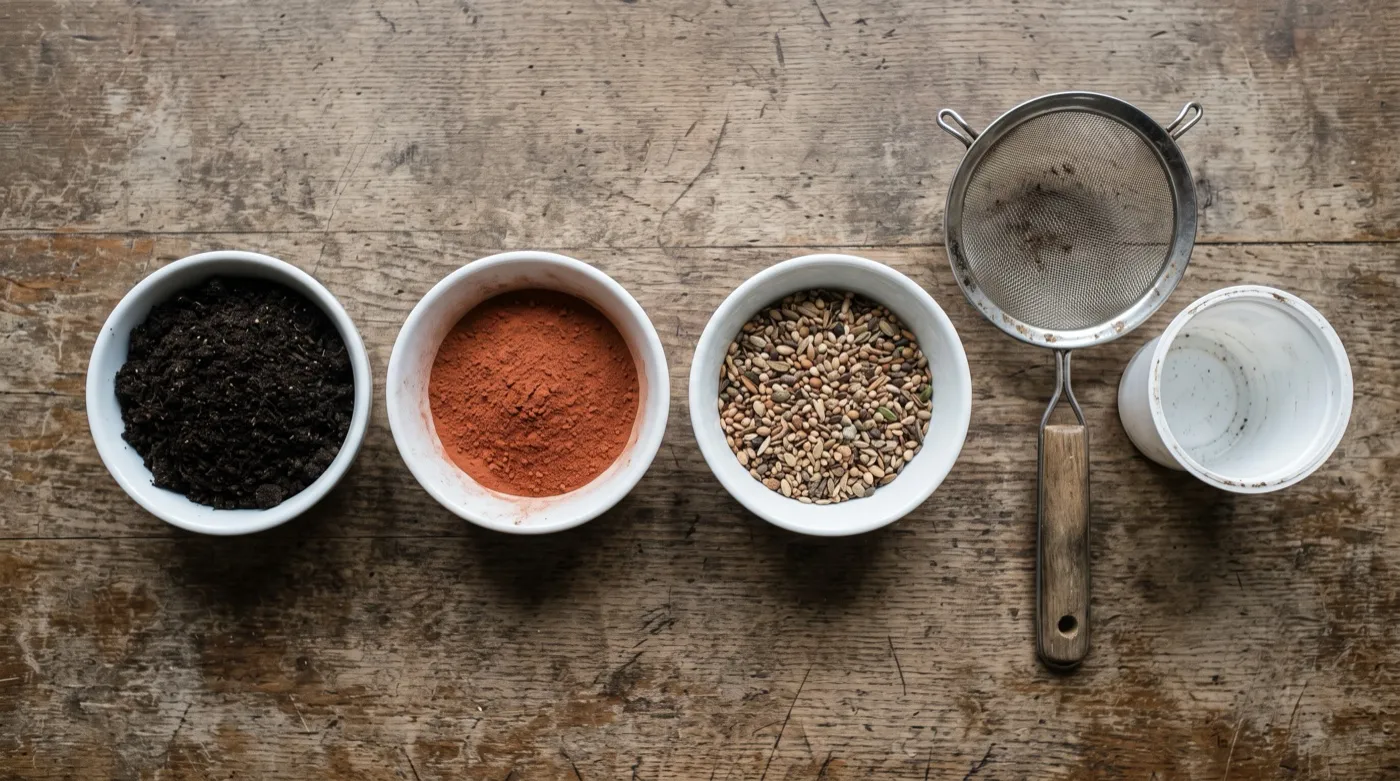
That’s the whole shopping list: compost, powdered clay, seed and a splash of water. A yoghurt pot makes a handy measure.
The 5:3:1 seed bomb recipe
Mix 5 parts compost, 3 parts powdered clay and 1 part seed, measured by volume. Then add water a little at a time.
- Compost: use peat-free multipurpose compost. Rub it through a kitchen sieve first, so there are no big lumps to make the balls crumble.
- Clay: buy powdered clay from a craft shop, or dry and crush clay from your own soil. It’s the glue, so don’t overdo it. Keep it to about a third of the mix.
- Seed: add it last, once the compost and clay are evenly mixed, so it spreads through the whole batch.
- Water: add it a splash at a time. You want stiff biscuit dough that holds a shape and doesn’t stick to your hands.
Roll balls about 2cm across, roughly the size of a walnut. Much bigger, and too many seedlings come up in one clump and crowd each other out.
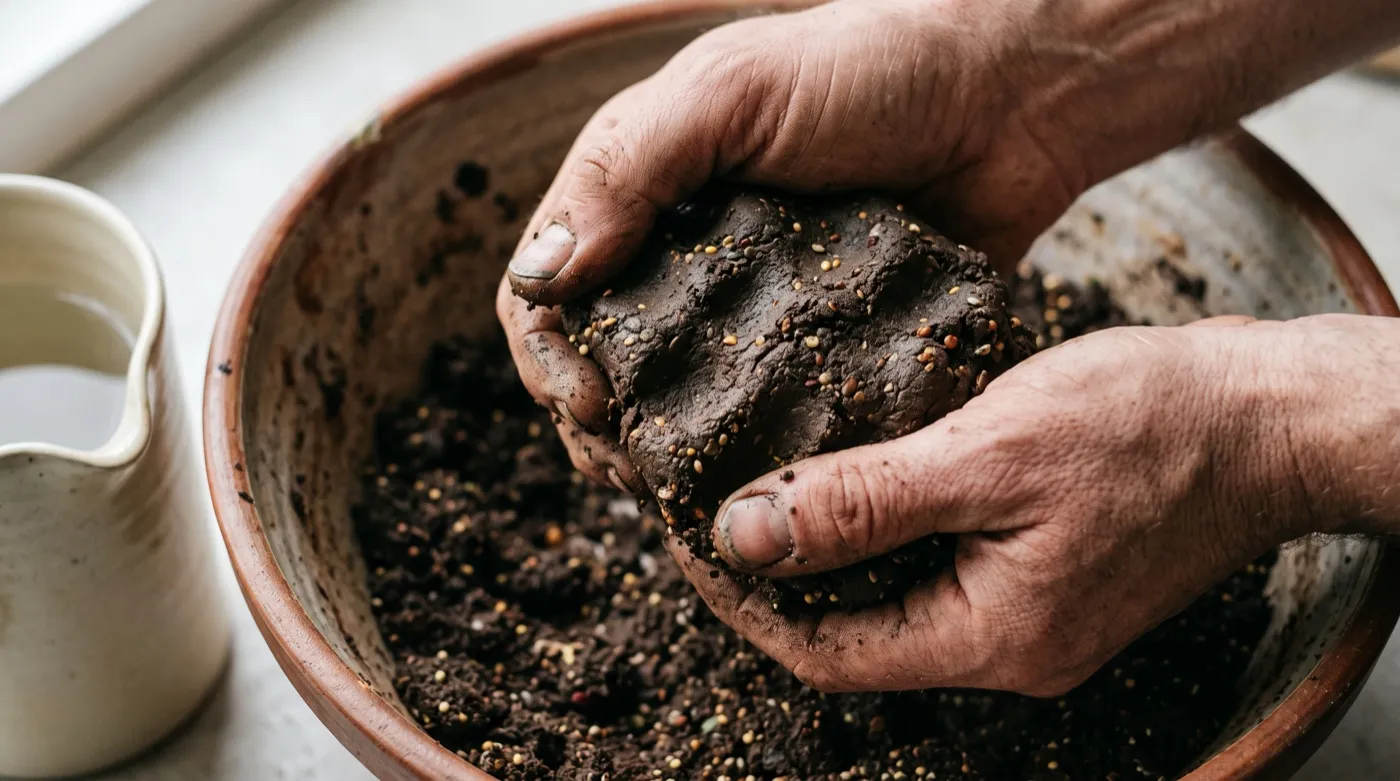
You’re aiming for stiff dough that holds a shape. Too wet? Work in a handful of dry mix you kept back.
How to make seed bombs with children
Making a batch of around 30 takes under an hour. It’s best done outside or on a well-covered table.
- Measure the dry ingredients. Five pots of sieved compost and three pots of clay into a bowl.
- Mix well. Stir until the colour is even.
- Add the seed. One pot of seed, stirred right through.
- Add water slowly. A splash at a time, squeezing as you go.
- Roll the balls. Press them firmly into 2cm balls with no cracks.
- Dry them. Space them out on cardboard indoors, out of direct sun.
Water is the tricky bit for children, as the mix goes from crumbly to sludge very quickly. Give each child a small bowl and their own little jug. Keep back a cup of dry mix to rescue anything too wet.
Warning: Read the plant names on the seed packet before children handle it. Corncockle (Agrostemma githago) is a pretty cornfield flower found in many mixes, but its seeds are poisonous if eaten. Supervise young children and wash hands afterwards.
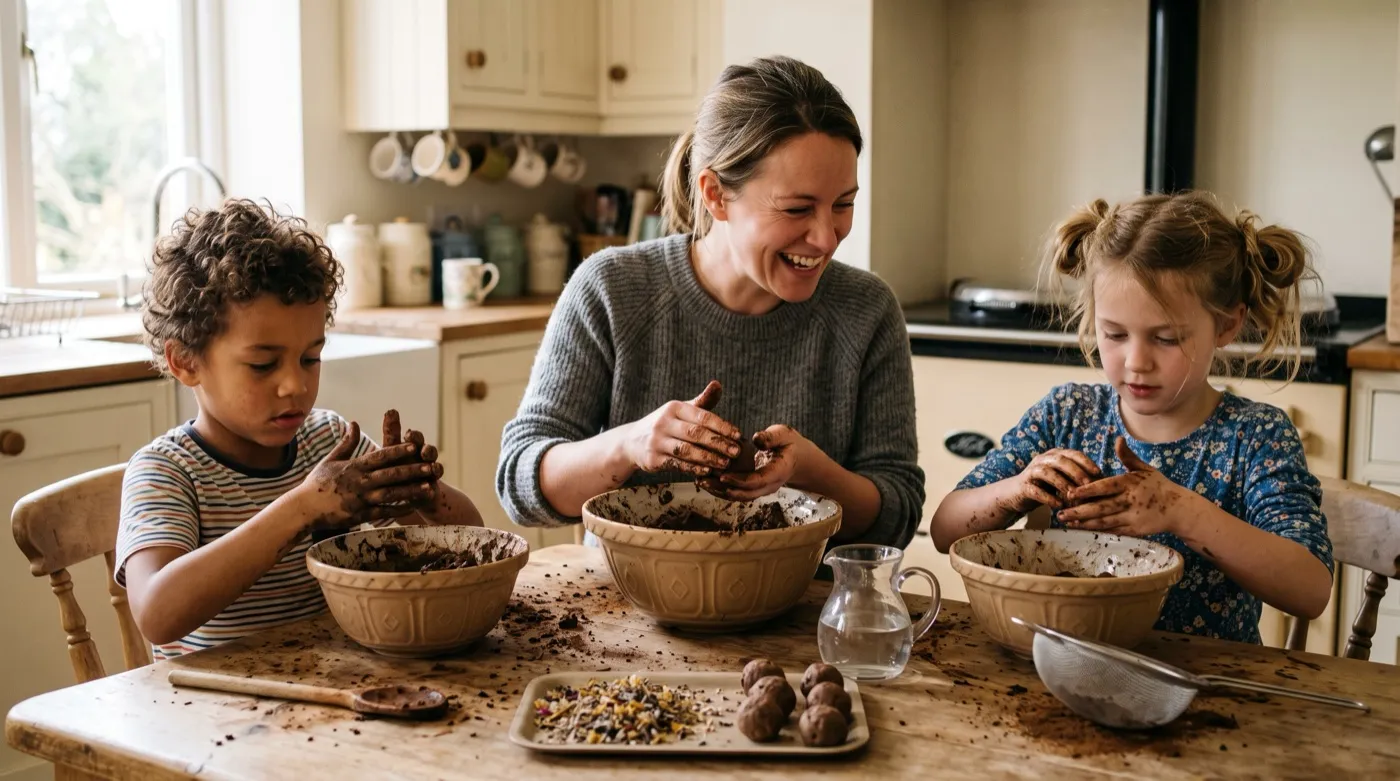
Giving each child their own bowl keeps things calmer. It’s still going to be messy, and that’s half the fun.
For more ideas to keep little hands busy, try our gardening projects for kids.
How to dry seed bombs without cracking
Dry seed bombs slowly, indoors, out of direct sun. A day or two at room temperature is usually enough.
Clay shrinks as it dries. If the outside dries much faster than the middle, on a sunny windowsill for example, the ball can crack open. Slow, even drying keeps it in one piece.
- Lay them on cardboard or newspaper. It soaks up moisture from underneath.
- Space them out. Where balls touch, they stay damp and can go mouldy.
- Check they’re dry. They should feel light and hard, and a thumbnail shouldn’t dent them.
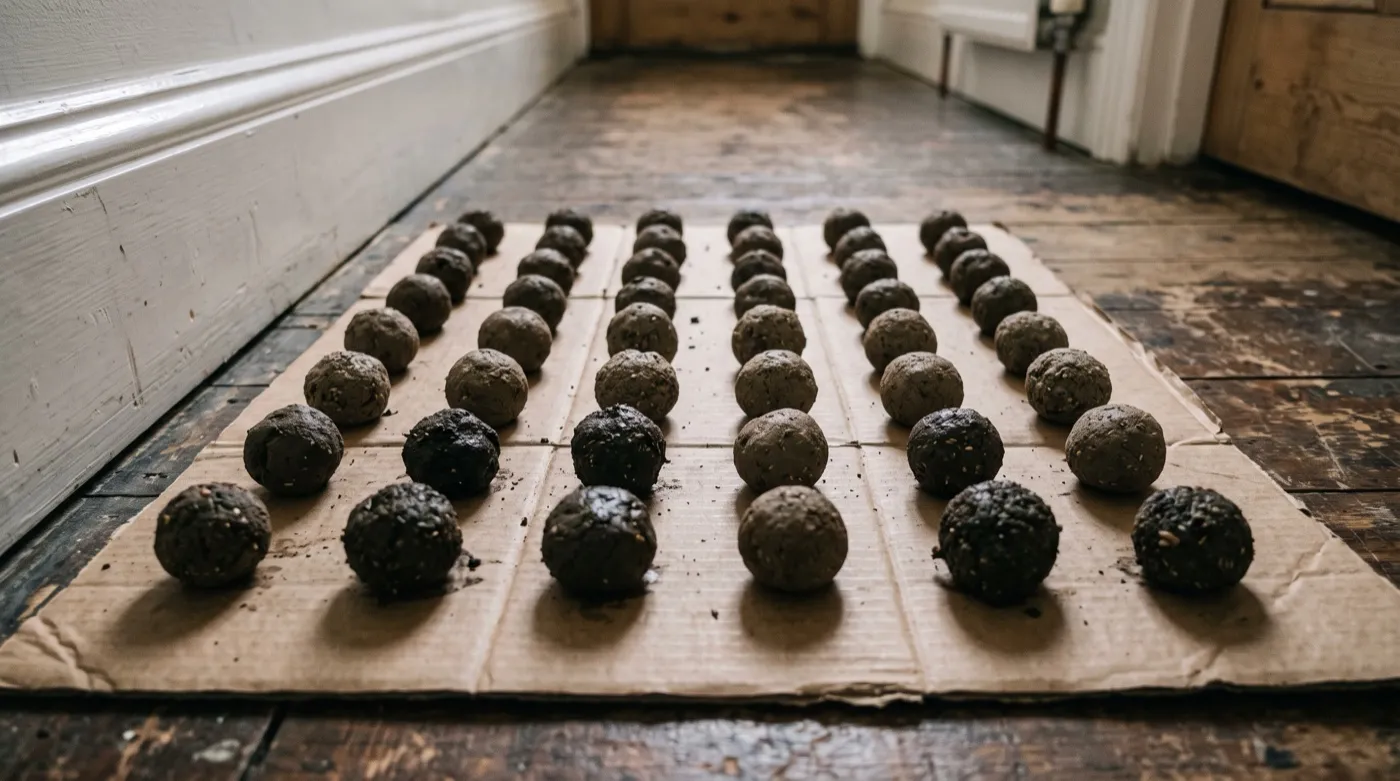
A cool hallway floor is ideal for drying. Spacing the balls out lets air get all the way round.
Best UK wildflower seeds for seed bombs
Cornfield annuals are the best choice. They naturally pop up on freshly dug, bare ground, which is just what a seed bomb gives them. Look for UK-native seed of these:
- Corn poppy (Papaver rhoeas): bright red flowers in summer.
- Cornflower (Centaurea cyanus): blue flowers loved by bees. Our cornflower growing guide has more on this one.
- Corn marigold (Glebionis segetum): sunny yellow daisies.
- Corn chamomile (Anthemis arvensis): white daisies with yellow centres.
These are annuals, so they flower for one summer. Leave the seedheads to drop seed and lightly rough up the soil the next spring to help them come back.
Perennial meadow flowers such as knapweed and ox-eye daisy are a poor fit. They do best sown into poor, prepared soil with little competition. For those, follow our guide to making a wildflower meadow instead.
Yellow rattle needs a spell of winter cold before it will sprout. If your mix includes it, throw your bombs in autumn. Our yellow rattle guide explains why.
Where can you throw seed bombs?
Throw seed bombs in your own garden, or anywhere you’ve been given permission. Pick a sunny patch of bare soil.
- Your garden: always fine and the best place to start.
- A friend’s garden or allotment: ask first. Most people are happy to say yes.
- A neglected public corner: ask the council or landowner. Some run community planting schemes.
- Verges, meadows, woodland and nature reserves: leave them alone. Many hold rare wild plants, even when they look scruffy.
- Farmland: never. Cornfield flowers can be a nuisance weed in crops.
Throwing seed onto land you don’t own is trespass. It’s also an offence to let certain invasive plants grow in the wild, so never use non-native mixes near wild places. Our guide to UK native plants for gardens has more ways to help wildlife at home.
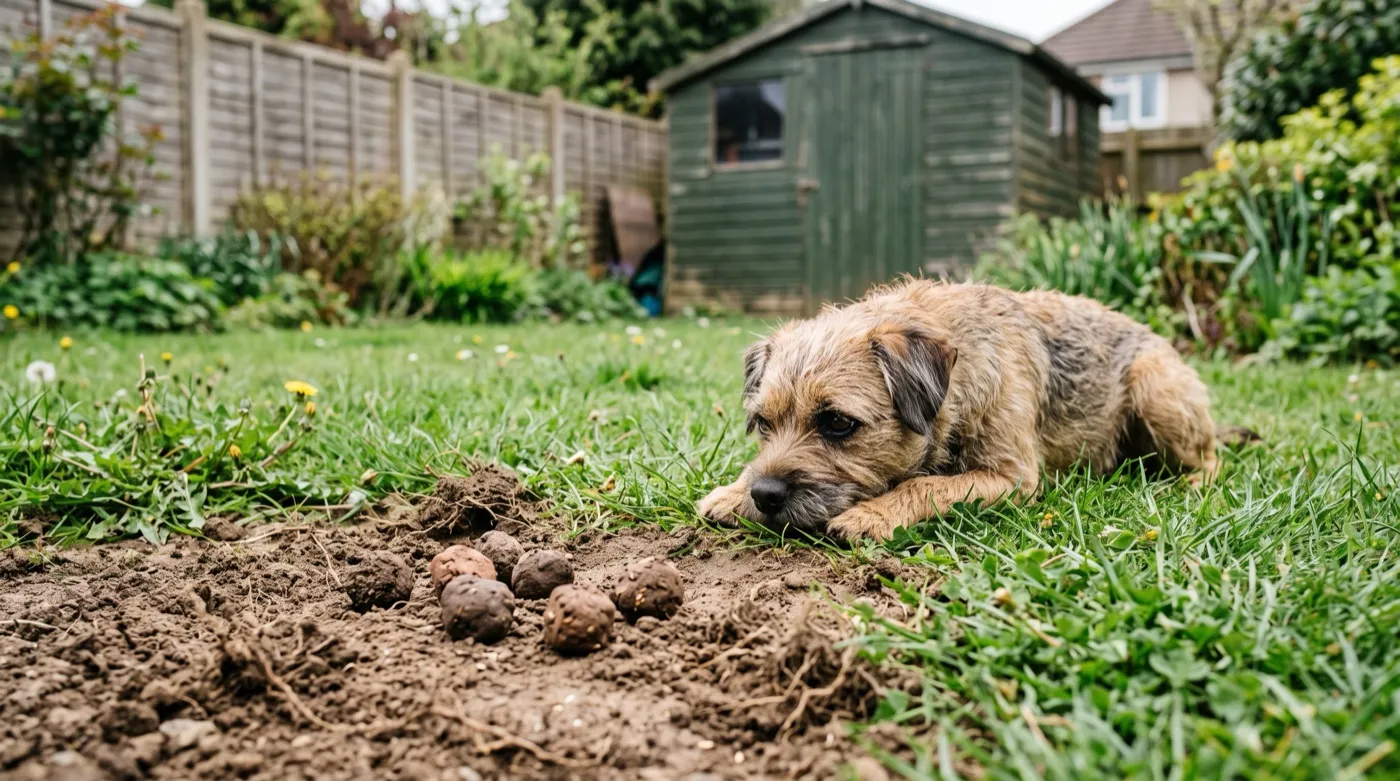
Bare soil in your own garden is the perfect spot. Pets love freshly dug ground too, so keep them off for a few weeks.
When to throw seed bombs, and what happens next
Throw seed bombs in April to May or September to October. These months usually bring the steady rain that softens the clay.
- Throw onto bare soil. Scuff it up with a boot or rake first. Grass and weeds will outcompete the seedlings.
- Toss them gently. They only need to sit on the surface.
- Water in a dry spell. If no rain comes for a couple of weeks, give them a sprinkle.
- Skip midsummer. Bombs can sit bone dry for weeks and the seed may fail.
Nothing happens until the clay gets properly wet. Then seedlings poke out through the sides of the ball. Spring throws usually flower in mid to late summer. Autumn throws often flower earlier the following year.
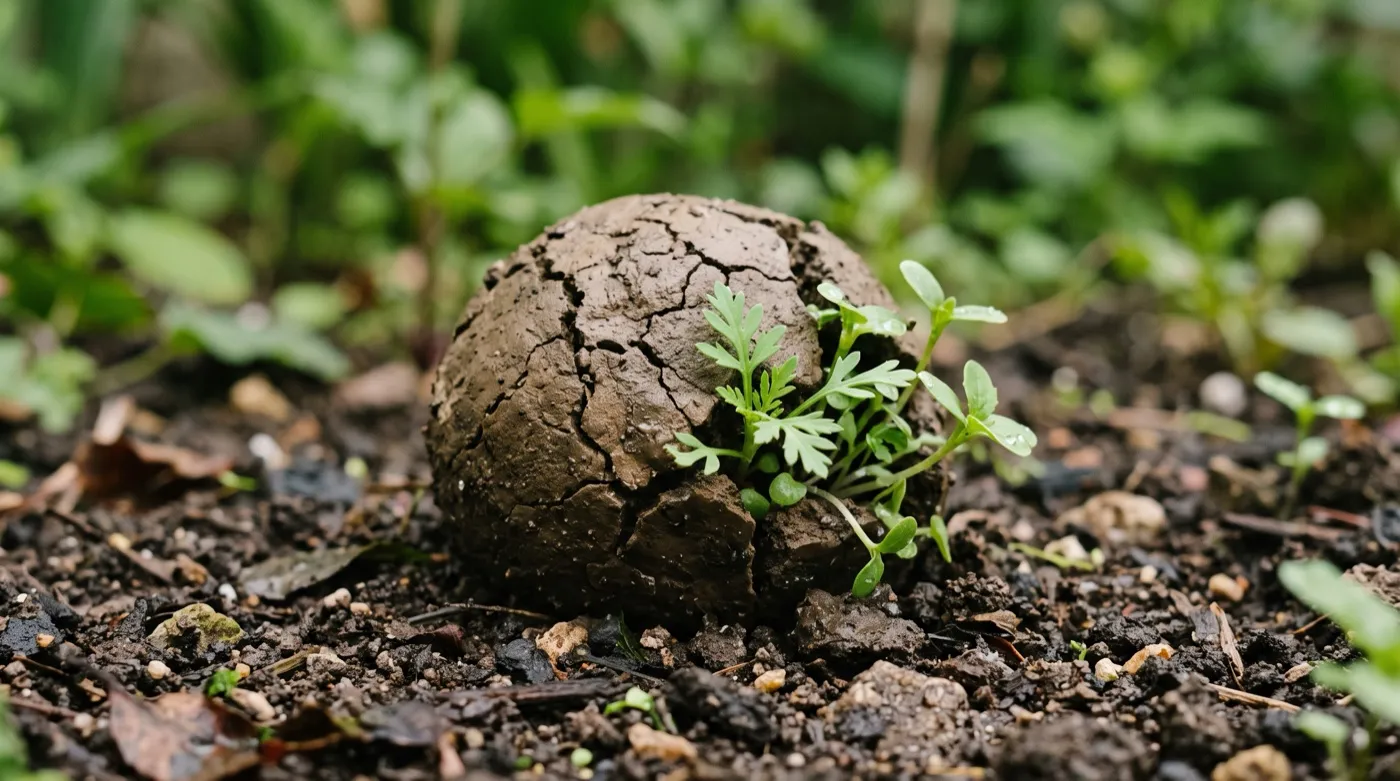
Once the rain softens the clay, seedlings push out through the cracks. That’s the moment you’ve been waiting for.
Seed bomb calendar
| Month | What to do |
|---|---|
| January to March | Buy native seed and clay. Make and dry a batch indoors |
| April to May | Main spring throwing window. Water if it stays dry |
| June to July | Don’t throw. Watch for seedlings and first flowers |
| August | Peak flowering. Leave some poppies to set seed |
| September to October | Autumn throwing window. Include yellow rattle now |
| November to December | Collect seed from your own plants for next year |
Common seed bomb mistakes
- Too much clay. The balls set like pebbles and never break down. Keep clay to about a third.
- Drying in the sun. Fast drying cracks the balls. Dry them slowly, indoors and in the shade.
- The wrong seed. Perennial meadow mixes struggle in a ball. Use cornfield annuals.
- Balls too big. Too many seedlings come up in one clump. Stick to about 2cm.
- Storing in plastic. Sealed tubs trap moisture and the balls go mouldy. Use a paper bag.
- Throwing on grass. Seedlings can’t compete with turf. Clear a patch of bare soil first.
For more fun outdoor projects, browse our how-to guides.
Frequently asked questions
What is the correct ratio for seed bombs?
Use 5 parts compost, 3 parts clay and 1 part seed by volume. Any cup or yoghurt pot works as a measure. Add water a splash at a time until the mix holds together like stiff biscuit dough. Keep the clay to about a third of the mix, or the balls set too hard.
How long do seed bombs take to dry?
Usually a day or two indoors at room temperature. In a cool shed they can take several days. Dry them on cardboard out of direct sun, so they don’t crack. They’re ready when they feel light and hard and don’t dent under a thumbnail.
What seeds are best for seed bombs in the UK?
Cornfield annuals such as corn poppy, cornflower and corn marigold work best. They naturally grow on freshly disturbed, bare ground, which is what a seed bomb gives them. Perennial meadow flowers struggle in a seed bomb and do better sown into poor, prepared soil.
Is it legal to throw seed bombs in the UK?
Only throw them on land you own or have permission to use. Other people’s land, verges and nature reserves are off limits without the owner’s say-so. Never scatter non-native or invasive plants in the wild.
When should you throw seed bombs?
Throw them in April to May, or September to October. These months usually bring the rain that softens the clay. Avoid midsummer, when bombs can sit dry for weeks. Seed mixes with yellow rattle need an autumn throw.
How long do seed bombs keep?
Use them within the same season for the best results. Store dry bombs in a paper bag somewhere cool and dry. Never seal them in a plastic box, where they sweat and go mouldy.
Once your seed bombs are drying, read our guide to growing sunflowers with children for your next family project.
Our team produces practical UK gardening guidance from source research, contributor records and established horticultural practice. Editorial standards are overseen by Matt W.