Key takeaways
- A sunny, open spot on poor soil gives the best meadow
- Lower the fertility first by stripping turf or mowing and removing clippings
- Yellow rattle weakens the grass so wildflowers can compete
- Match the seed mix to your soil: clay, sandy, chalky or damp
- Cut once a year from late July to September and always rake off the hay
- Leave a strip uncut over winter as shelter for insects
A wildflower meadow is one of the best things you can make for garden wildlife. It’s a patch of native grasses and wildflowers on poor soil, left to grow tall all summer and cut once a year. Bees, butterflies, grasshoppers, small mammals and seed-eating birds all move in.
This guide is about making a proper perennial meadow for wildlife: where to put it, which mix suits your soil and how to look after it so it gets richer each year. If you’re converting part of a lawn step by step, see our guide to creating a wildflower lawn. For a pocket-sized patch, the mini meadow guide is a better fit.

Even a strip of meadow along a path brings in bees and butterflies once the daisies and knapweed open.
What makes a wildflower meadow good for wildlife?
A good meadow has three things: poor soil, yellow rattle and one cut a year with the hay taken away.
- Poor soil. Native wildflowers grew up on unfed grassland. Rich soil grows tall, coarse grass that crowds them out.
- Yellow rattle. This native annual feeds partly off grass roots, weakening the grass and leaving room for flowers.
- The yearly cut. Cutting in late summer and raking off the hay keeps fertility low and stops scrub moving in.
A perennial meadow is different from a sown annual cornfield mix of poppies and cornflowers. Annuals give a bright show for one summer. Perennial meadow flowers come back every year and give wildlife food and shelter for the long term.
Where should you put a wildflower meadow?
Choose an open, sunny spot, away from overhanging trees. Most meadow flowers need full sun, and so do the butterflies and bees that visit them.
- Good spots: sunny lawns that have never been fed, sandy or stony ground, old gravel areas, and areas next to a hedge or rough grass.
- Harder spots: shade, ground that sits under water in winter, and lawns that have been fed for years.
A meadow beside a hedge or pond is extra good for wildlife, as animals can move between them. Wet ground suits a damp meadow mix or a bog garden instead. Any size helps, but a bigger patch gives more room for tall grass and the creatures that hide in it.

Mown paths let you walk through the meadow and make the yearly cut easier, while the rest grows tall for wildlife.
How do you lower soil fertility for a meadow?
Lowering fertility is the step that matters most. Old lawns are usually too rich, which helps grass beat the wildflowers.
- Strip the turf. Lift the turf and the top few centimetres of topsoil. It’s hard work but fast, and gives you bare soil ready to sow.
- Cut and remove. Mow regularly for a season or two and take away every clipping. It’s slow but free.
- Stop feeding. No fertiliser, no lawn feed, and no clippings left lying.
Once the fertility is down, cut short and rake hard in late summer to expose plenty of bare soil. Seed scattered onto thick turf rarely gets going.
Which wildflower seed mix suits your soil?
Pick a native meadow mix made for your soil. Good mixes are mostly fine grasses, such as sheep’s fescue, common bent and crested dog’s-tail, with a smaller share of wildflowers.
| Soil type | Good meadow flowers | Wildlife it helps |
|---|---|---|
| Clay | Ox-eye daisy, common knapweed, meadow buttercup, red clover | Bumblebees, butterflies |
| Sandy or free-draining | Lady’s bedstraw, harebell, viper’s bugloss, kidney vetch | Solitary bees, small blue butterfly on kidney vetch |
| Chalk or limestone | Greater knapweed, field scabious, salad burnet, bird’s-foot trefoil | Common blue butterfly, bees |
| Damp | Meadowsweet, ragged robin, devil’s-bit scabious | Hoverflies, moths, marsh fritillary on devil’s-bit |
Check the species list on the packet before you buy. Cheap “wildflower” packets often contain non-native plants and no yellow rattle.
How do you sow a wildflower meadow?
Sow in late August to September for a perennial meadow. Many native seeds need a winter chill before they sprout, and autumn rain settles them in. The full timing guide is in when to sow wildflower seeds.
- Sow yellow rattle first, using fresh seed from this year’s harvest. It must have the winter cold to sprout.
- Sow the meadow mix at the rate on the packet, often about 4-5g per square metre.
- Mix the seed with dry sand so you can see where you’ve sown and spread it evenly.
- Scatter it on the surface. Don’t bury it, as many wildflower seeds need light.
- Tread or roll it in so the seed is pressed against the soil.
Our yellow rattle guide has more on getting this fussy plant started.

Scatter seed on the surface and press it in with your feet. Mixing it with sand helps you spread it evenly.
Plug plants for adding flowers
Plug plants are small young plants you push straight into the grass. They’re handy where seed struggles, such as on heavy clay or in rough grass you can’t strip. They’re also great for adding new flowers to an existing meadow. Plant them in spring or autumn, in small groups so they stand out. For an instant start on a small area, you can also lay wildflower turf.
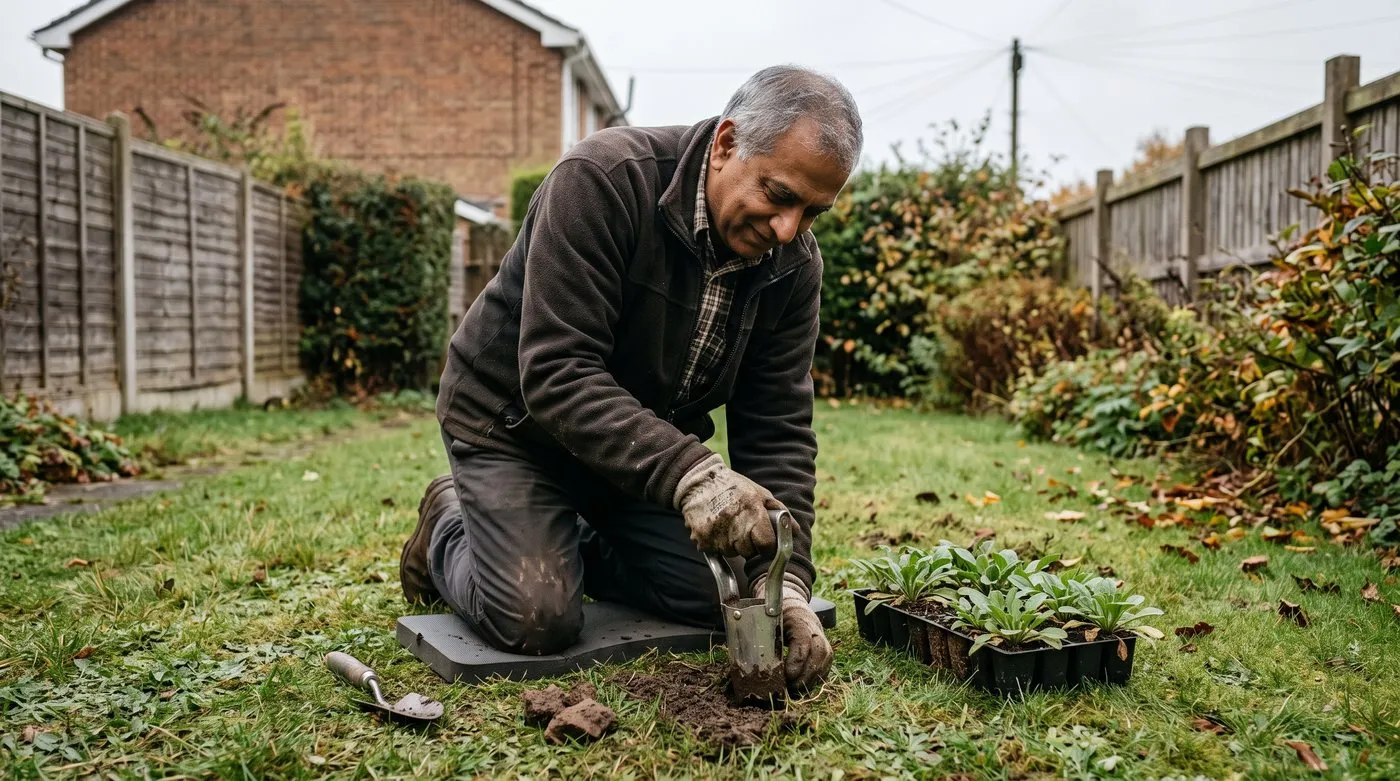
Plug plants go straight into existing grass, which makes them a handy way to add flowers on heavy clay.
Which wildlife will visit a wildflower meadow?
A meadow buzzes with life from spring to autumn, and keeps working in winter too.
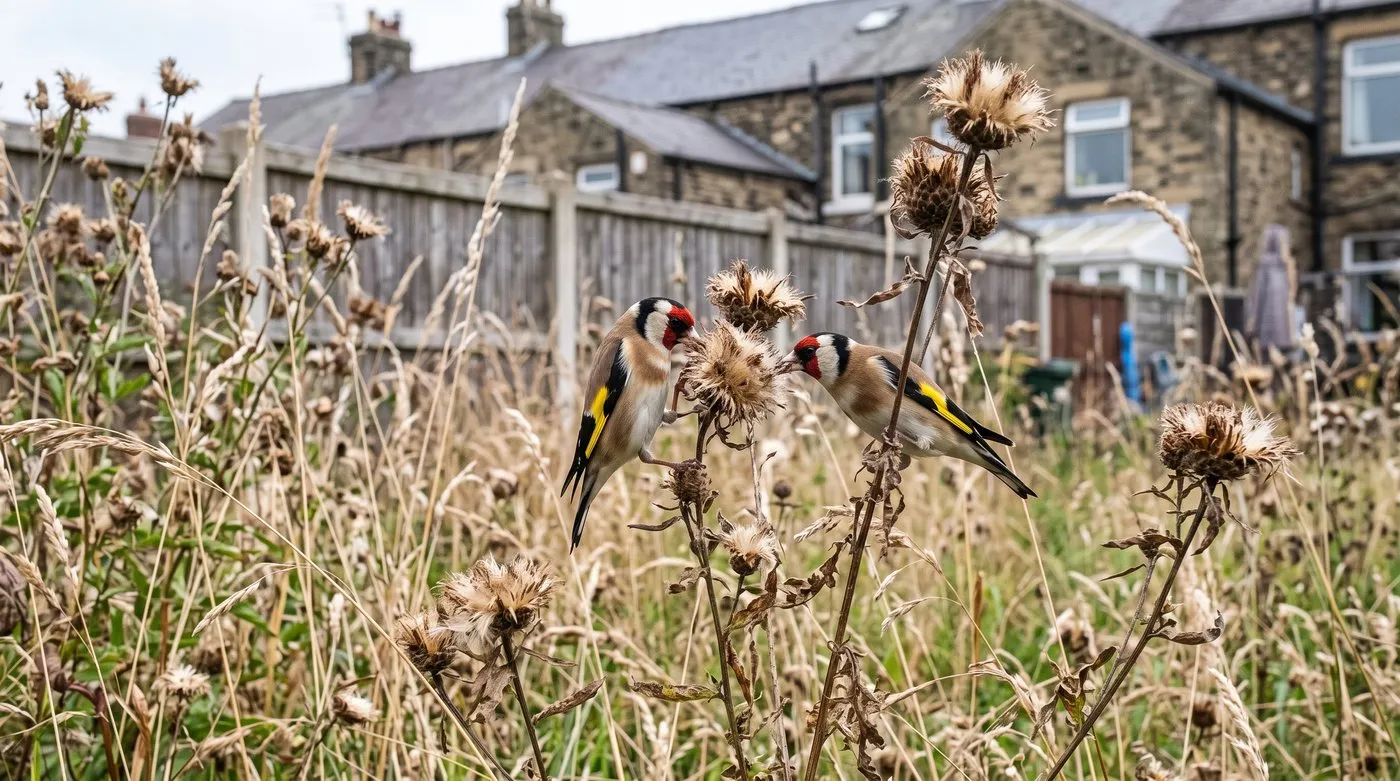
Leave seedheads standing and goldfinches will come to feast. A meadow feeds birds long after the flowers fade.
- Bees: bumblebees love knapweed, red clover and bird’s-foot trefoil. Solitary bees visit too.
- Butterflies: meadow brown, gatekeeper, small skipper and common blue. Fine grasses feed many of their caterpillars.
- Hoverflies and moths: knapweed, scabious and ox-eye daisy draw them in.
- Grasshoppers and beetles: they need the tall grass and tussocks.
- Mammals and reptiles: voles and shrews live in the long grass. Hedgehogs hunt there, and slow worms may turn up.
- Birds: goldfinches and other finches feed on knapweed and other seedheads.
Plant a few wildflowers with wildlife in mind and you’ll see more. The guide to the best plants for butterflies has extra ideas for nearby borders.
How to look after a wildflower meadow
Cut once a year, from late July to September, after the main flowers have set seed and yellow rattle has dropped its seed.
- Use a scythe, strimmer or brush cutter, leaving about 8-10cm of stubble.
- Leave the hay lying for a few days so the seed can fall.
- Rake off every bit. Clippings left on the meadow feed the soil and help the grass.
- An optional second cut in autumn keeps the grass short going into winter.
Before you cut, walk through slowly so frogs and other creatures can move away. Leave a strip or corner uncut until spring, as insects shelter in the hollow stems over winter.

Leave the cut hay for a few days so seeds can drop, then rake every bit of it away.
Common wildflower meadow problems
The first year looks weedy
That’s normal. The first summer often shows annual weeds and bare patches while the perennials build their roots. Don’t dig it up or re-sow. Pull any docks and keep going.
Grass takes over
The soil is still too rich, or the yellow rattle hasn’t taken. Keep cutting and removing the hay, and sow fresh yellow rattle each autumn until it settles in.
Docks, thistles and nettles move in
These like rich, disturbed soil. Pull docks before they seed and keep cutting creeping thistle. Leave nettles at the edges, where they feed butterfly caterpillars. Ragwort needs care, and our guide to identifying and removing ragwort safely explains when to act.
Yellow rattle doesn’t come up
The seed was old, it was sown too late, or it never touched the soil. Use fresh seed, sow by September and tread it in.

Yellow rattle in flower, with its yellow hooded flowers and puffed-up green calyx. Where it grows, the grass is thinner.
Month-by-month wildflower meadow calendar
| Month | What to do |
|---|---|
| January to February | Plan new flowers. Order seed and plug plants |
| March to April | Plant plug plants. Pull docks and thistles |
| May | Yellow rattle flowers. Enjoy the first daisies and buttercups |
| June to July | Peak flowering. Note any bare patches for next year |
| Late July to August | Main cut after seed has dropped. Leave the hay a few days, then rake off |
| September | Sow yellow rattle and new seed. Main cut on later meadows |
| October | Optional second cut. Plant autumn plugs |
| November to December | Leave an uncut strip standing for wildlife |
Common mistakes when making a meadow
- Sowing into rich soil. Fed lawns grow coarse grass that smothers wildflowers. Lower the fertility first.
- Leaving the clippings. Hay left on the meadow feeds the grass. Always rake it off.
- Using old yellow rattle seed. It doesn’t keep. Buy fresh seed and sow it in autumn.
- Giving up after year one. Perennial meadows take two or three summers to fill out.
- Cutting it all at once in summer. Leave some uncut for insects to shelter in over winter.
Once your meadow is sown, read our guide on when to cut a wildflower meadow to get the yearly cut right. For more ways to help garden wildlife, browse the wildlife hub.
Frequently asked questions
How do you make a wildflower meadow from an existing lawn?
Lower the fertility, open up the turf, then sow yellow rattle and wildflowers. Cut the grass short in late summer and rake hard to expose plenty of bare soil. Sow in late August or September. Stop feeding, and cut and rake off the hay once a year.
Why does my wildflower meadow have so much grass?
Usually the soil is too rich or the yellow rattle hasn’t taken. Keep cutting and removing every bit of hay so fertility drops over time. Sow fresh yellow rattle seed each autumn until it settles in.
When should I sow wildflower seed for a meadow?
Late August to September is best for a perennial meadow. Many native seeds need a cold winter before they sprout, and autumn rain helps. Yellow rattle must be sown in autumn. Spring sowing suits annual cornfield mixes.
Do I need to remove grass before sowing wildflowers?
You need lots of bare soil, or the grass smothers the seedlings. Either strip the turf or cut short and rake hard. Plug plants are the exception, as they can go straight into existing grass.
What is yellow rattle and why does it matter?
Yellow rattle is a native annual that feeds partly off grass roots. That weakens the grass and leaves gaps for wildflowers. Sow fresh seed in autumn. Once settled, it seeds itself if you cut after its seed has dropped.
How often should I cut a wildflower meadow?
Once a year, from late July to September. Leave the hay lying for a few days so seed can drop, then rake it all off. An optional second cut in autumn keeps the grass in check.
Can I make a wildflower meadow on clay soil?
Yes, plenty of meadow flowers grow well on clay. Clay is often quite rich, so lowering fertility matters. Choose a clay meadow mix with knapweed, ox-eye daisy and meadow buttercup. Plug plants are a reliable way to add flowers on heavy ground.
Our team produces practical UK gardening guidance from source research, contributor records and established horticultural practice. Editorial standards are overseen by Matt W.