
Key takeaways
- Pinching the tip makes branching cut flowers bush out and give many more stems
- Pinch just above a pair of leaves once a plant has three or four pairs of true leaves
- Cosmos, sweet peas, snapdragons, zinnias, scabious and dahlias all respond well
- Never pinch single-stem sunflowers, stocks, tulips, gladioli or foxgloves
- Most pinching happens from April to early June; late pinching delays flowers
- Pinched stems may be a little shorter, but there are far more of them
Pinching out is the easiest way to get more flowers from a cutting patch. Snip the tip off a young cosmos or snapdragon and it branches into a bushy plant with lots of stems. Leave it and you may get one tall stem and a few stragglers.
But not every cut flower likes being pinched. Some grow one stem and one flower, and pinching just takes the flower away. Here’s which to pinch, when and how, and which to leave alone. If you’re just starting a cutting patch, see our beginner’s guide to growing cut flowers.
What does pinching out do?
Pinching out removes the growing tip at the top of the main stem. The top bud normally holds back the buds lower down. Take it away and the plant pushes out several side shoots instead.
Each side shoot grows into its own flowering stem. So a pinched plant is bushier, sturdier and gives you far more stems to cut. The flowers come a little later, but the plant usually keeps going for longer.
You can pinch with finger and thumb on soft stems, or use clean, sharp snips. Snips give a cleaner cut on thicker stems such as dahlias.

Pinch just above a pair of leaves. The buds where those leaves join the stem will grow into new flowering shoots.
Which cut flowers to pinch and which to leave
Most branching annuals love a pinch. Flowers that grow a single spike or stem don’t.
| Flower | Pinch? | When to pinch |
|---|---|---|
| Sweet peas | Yes | At 3-4 pairs of leaves, about 10cm tall |
| Cosmos | Yes | At 3-4 pairs of leaves, about 20-30cm |
| Snapdragons | Yes | At 3-4 pairs of leaves, about 15cm |
| Zinnias | Yes | At 3-4 pairs of leaves, about 20cm |
| Scabious (annual) | Yes | At 3-4 pairs of leaves |
| Calendula | Yes | At 3-4 pairs of leaves |
| Rudbeckia (annual) | Yes | At 3-4 pairs of leaves |
| Dahlias | Yes | When about 30cm tall |
| Branching sunflowers | Optional | At 4-5 pairs of leaves |
| Single-stem sunflowers | No | Leave alone |
| Single-stem stocks | No | Leave alone |
| Tulips and gladioli | No | Leave alone |
| Foxgloves | No | Leave alone |
How to pinch out cut flowers step by step
- Wait for three or four pairs of true leaves. Ignore the first two seed leaves at the base.
- Find the right spot. Count up from the bottom and look just above the third or fourth pair of leaves.
- Pinch or snip the stem cleanly just above that pair of leaves. Leave the leaves and their buds in place.
- Water and carry on. New side shoots will appear from the leaf joints within a couple of weeks.
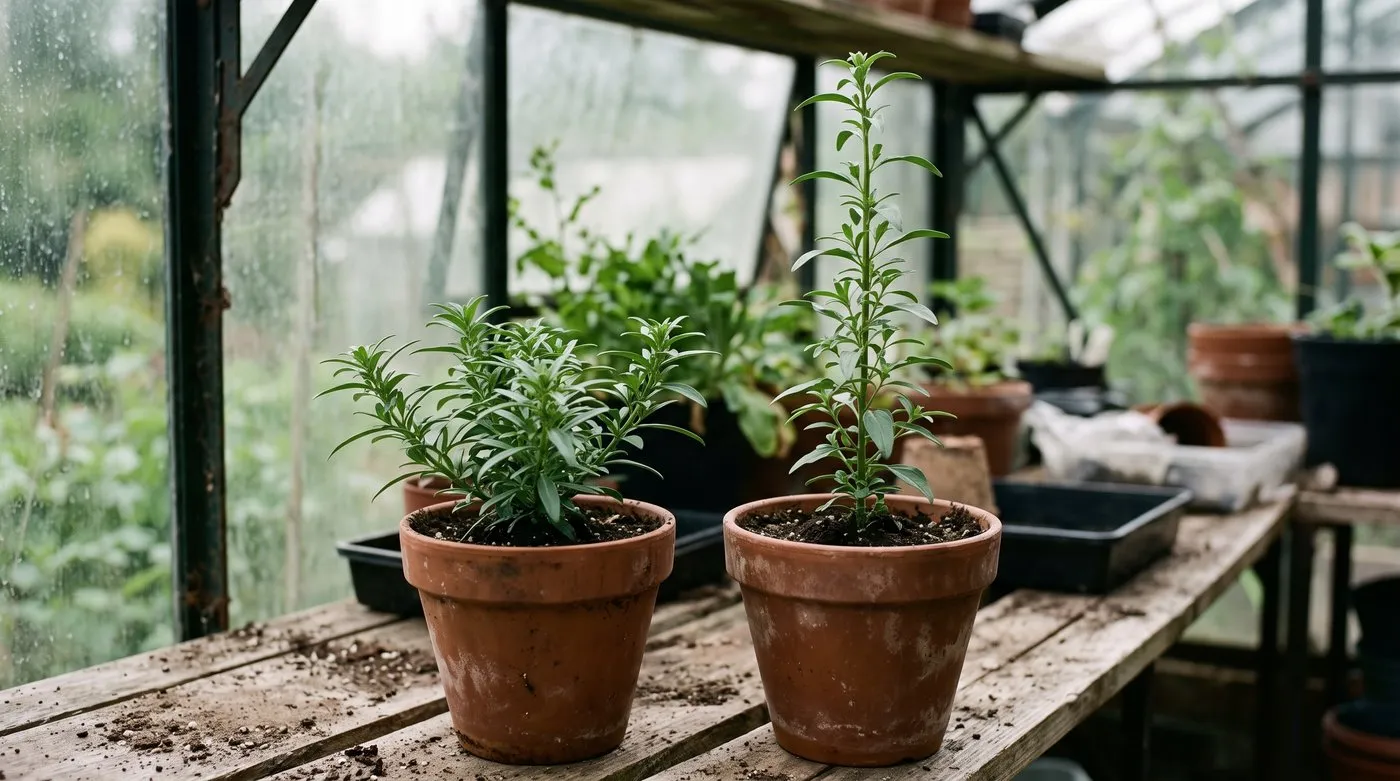
Two weeks after pinching, the plant on the left has several new shoots. Each one will carry a flower spike.
Pinching young plants just before or after planting out is easiest. Very small seedlings struggle to branch, and big plants already forming buds lose their first flowers.
Pinching tips for popular cut flowers
Sweet peas
Sweet peas are usually the first to be pinched. Once they have three or four pairs of leaves, nip out the tip just above a pair. They then send up several strong shoots instead of one. See our guide on how to grow sweet peas for sowing and support.
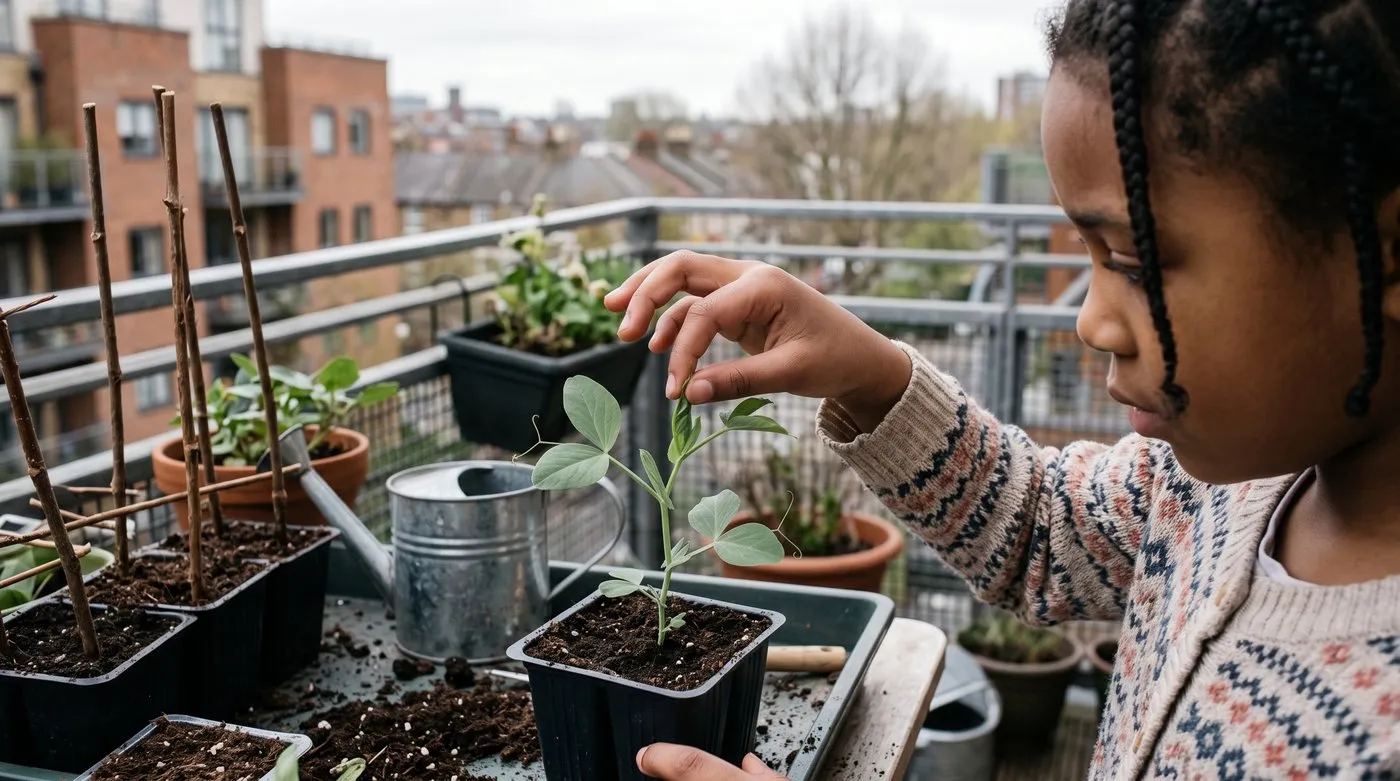
Sweet pea tips are soft enough to nip out with finger and thumb. A great job for young helpers.
Cosmos
Cosmos really benefits from pinching. Unpinched plants grow tall and gangly. Pinch at three or four pairs of leaves and you get a bushy plant full of stems through late summer. Our guide on how to grow cosmos from seed covers the rest.
Snapdragons and zinnias
Pinched snapdragons give several flower spikes instead of one central spike. The spikes are a little shorter but still great for a vase. Zinnias branch well after pinching and keep flowering until the first frost. Read more in our guides on growing snapdragons and growing zinnias.
Dahlias
Pinch dahlias when the plant is about 30cm tall, taking out the top shoot just above a pair of leaves. This gives a bushier plant with more flowering stems. Snips are better than fingers on the thick, hollow stems. See our guide on how to grow dahlias.
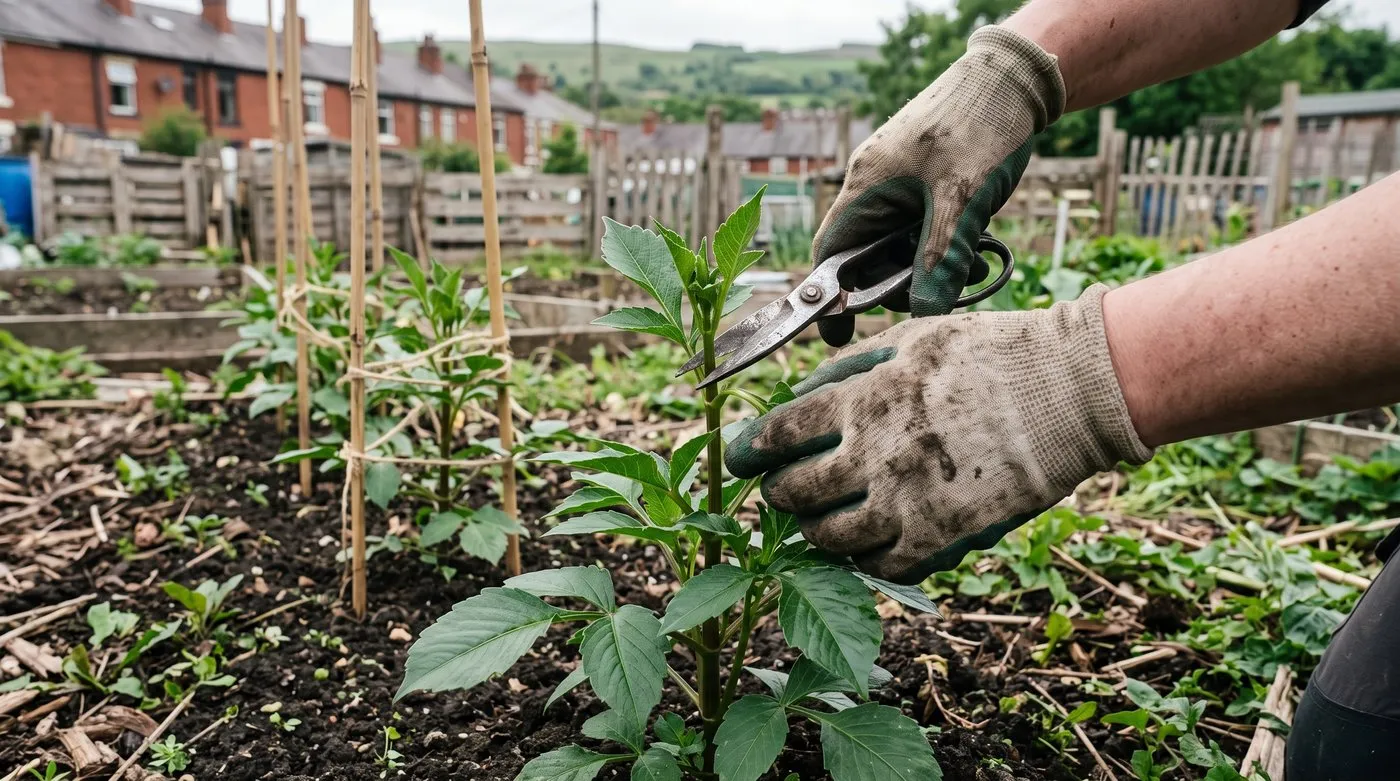
Snips give a clean cut on thick, hollow dahlia stems. Cut just above a pair of leaves.
Which cut flowers should you never pinch?
Leave alone any flower that grows one main stem or spike. Pinching only removes the flower, and nothing grows back to replace it.
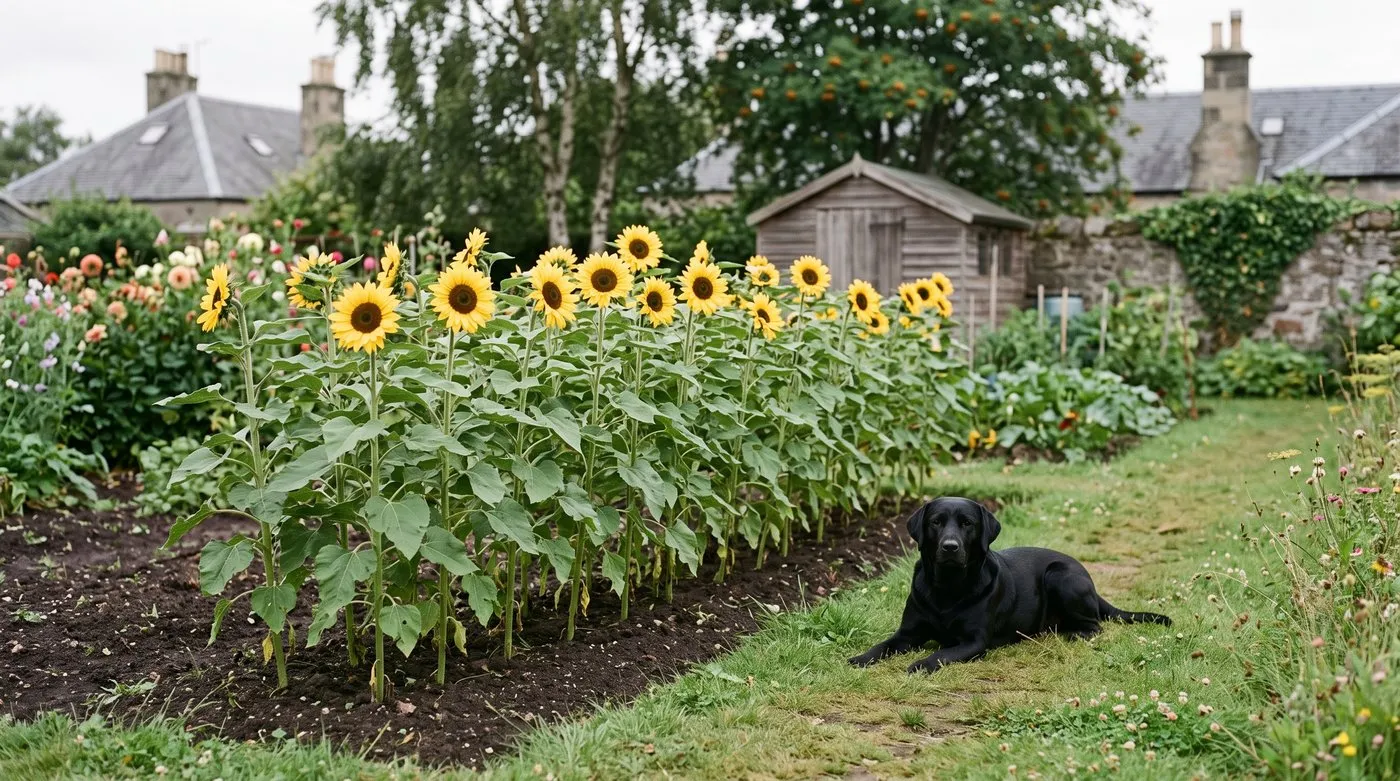
Single-stem sunflowers grow one perfect head each. Pinch them and you’d lose the flower altogether.
- Single-stem sunflowers. Varieties bred for cutting with one big head. Branching sunflowers can be pinched.
- Stocks. Single-stem types grow one fat, scented spike.
- Tulips and gladioli. Each bulb or corm sends up one flower stem.
- Foxgloves. These grow one main spike, often with smaller side spikes later.
If you’re not sure, check the seed packet. Words such as “single-stem” or “one bloom per plant” mean leave it be.
Common mistakes when pinching out
- Pinching too early. Tiny seedlings with only one or two pairs of leaves struggle to branch.
- Pinching too late. Once you can see a flower bud forming at the top, pinching just delays the show.
- Pinching single-stem varieties. You lose the flower and get nothing back.
- Tearing the stem. On thick stems, use snips rather than fingernails.
- Forgetting to keep cutting. Once plants flower, regular picking is what keeps new stems coming.
When to pinch cut flowers through the year
| Month | What to pinch |
|---|---|
| March to April | Autumn and early spring sown sweet peas, calendula |
| April to May | Spring-sown sweet peas, snapdragons, scabious |
| May | Cosmos and zinnias around planting out time |
| Late May to June | Dahlias once 30cm tall; Chelsea chop on late perennials |
| July onwards | No more pinching; keep cutting flowers instead |
Frequently asked questions
Which cut flowers should I pinch out?
Pinch branching annuals such as cosmos, sweet peas, snapdragons and zinnias. Scabious, calendula, rudbeckia and dahlias also respond well. Taking out the tip makes the plant send up several side shoots, each with its own flowers. You get more stems over a longer season.
Which cut flowers should I never pinch?
Never pinch flowers that grow one main stem or spike. These include single-stem sunflowers, single-stem stocks, tulips, gladioli and foxgloves. Pinching them just removes the flower. Check the seed packet: if it says single-stem, leave it alone.
When should I pinch out cut flowers?
Pinch young plants from April to early June. Sweet peas are pinched first, often in March or April. Cosmos, snapdragons and zinnias are pinched around planting out time in May. Dahlias are pinched once they are about 30cm tall. Pinching much after midsummer delays flowering.
How tall should plants be before pinching?
Pinch when plants have three or four pairs of true leaves. That is usually around 10cm for sweet peas and 15-30cm for most others. Count true leaves, not the first seed leaves. Pinch just above a pair of leaves.
Does pinching out make stems shorter?
A little, but there are many more of them. Side stems are usually slightly shorter than the single main stem would have been. They are still plenty long enough for a vase. Regular cutting keeps new stems coming.
Can I pinch out perennials too?
Yes, some late-flowering perennials respond well. Cutting back asters, heleniums, phlox and sedums in late May is called the Chelsea chop. It makes plants bushier and slightly later to flower. Don’t do it to early-summer flowerers such as peonies or irises. Our Chelsea chop guide shows how.
Once your stems are flowering, read our guide to conditioning cut flowers so they last longer in the vase, or browse more flowers and plants.
Our team produces practical UK gardening guidance from source research, contributor records and established horticultural practice. Editorial standards are overseen by Matt W.


