
Key takeaways
- Deadheading stops a plant setting seed, so it keeps making flowers
- Cut back to a leaf, bud or side shoot, not just below the flower head
- Pinch soft bedding with your fingers and use secateurs on woody stems
- Pick sweet peas several times a week, and never let pods form
- Shear catmint and hardy geraniums after the first flush for a second show
- Leave some seedheads from September for birds and winter interest
Deadheading simply means removing faded flowers. It keeps most bedding plants, roses and repeat-flowering perennials blooming for longer, because the plant makes new flowers instead of seed. A quick five-minute round once or twice a week is all it takes.
This guide shows you where to cut on the plants people ask about most, which tool to use and when to stop in autumn. For plants that look better left alone after flowering, see our guide to plants you should never deadhead.
Why deadheading gives you more flowers
A plant flowers to make seed. Once a flower is pollinated and starts forming seed, the plant puts its energy into that seed instead of new buds. Take the faded flower off before the seed forms, and the plant keeps on flowering.
Annuals such as cosmos, sweet peas and bedding plants respond the most, because their whole aim is to set seed in one season. Repeat-flowering perennials such as roses, salvias, penstemons and catmint keep producing new flowers too.
Once-flowering plants, such as peonies and many shrubs, won’t flower again however much you deadhead. Removing their faded flowers just tidies them up. Our guide to deadheading peonies explains how to do it without spoiling next year’s show.
How to deadhead: the basic method
The golden rule is to cut back to just above a leaf, bud or side shoot, rather than just below the flower. That way, you don’t leave bare stalks, and new growth comes from the right place.
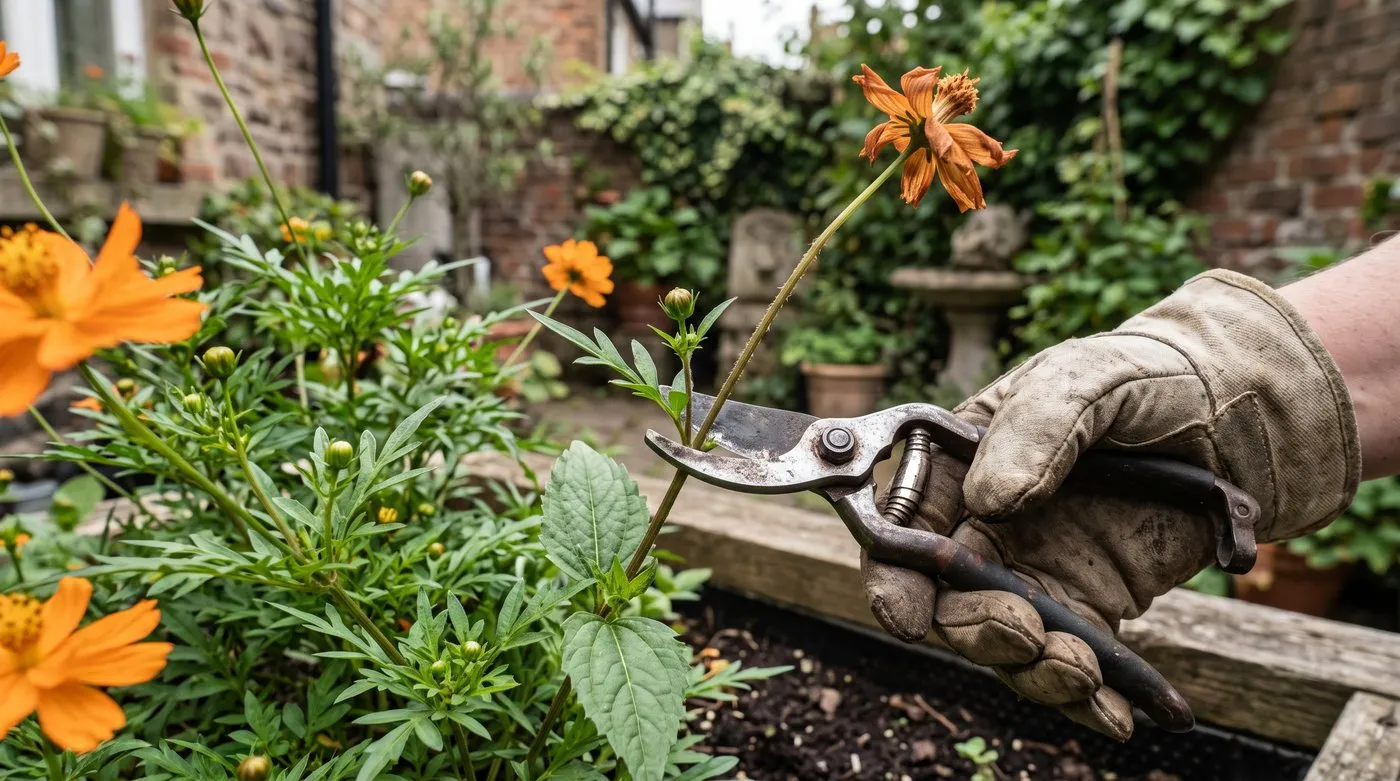
Cut just above a leaf or side bud, not just under the flower. The new flowers come from there.
Choose the right tool for the stem:
- Fingers for soft stems such as petunias, pelargoniums, marigolds and cosmos. Pinch or snap the stem below the flower, taking the little seed pod behind it too
- Secateurs for woody or tough stems such as roses, dahlias and penstemons. Bypass secateurs give the cleanest cut
- Shears for plants with lots of small flowers, such as catmint, hardy geraniums and lavender, where you trim the whole plant at once
- Small snips or scissors for sweet peas and delicate stems
Keep your secateurs sharp and clean. A clean cut heals quickly, while a torn stem can die back.
How to deadhead roses
Cut off the faded flower with a short piece of stem, just above a healthy leaf. Use sharp secateurs and make a clean cut a few millimetres above the leaf.
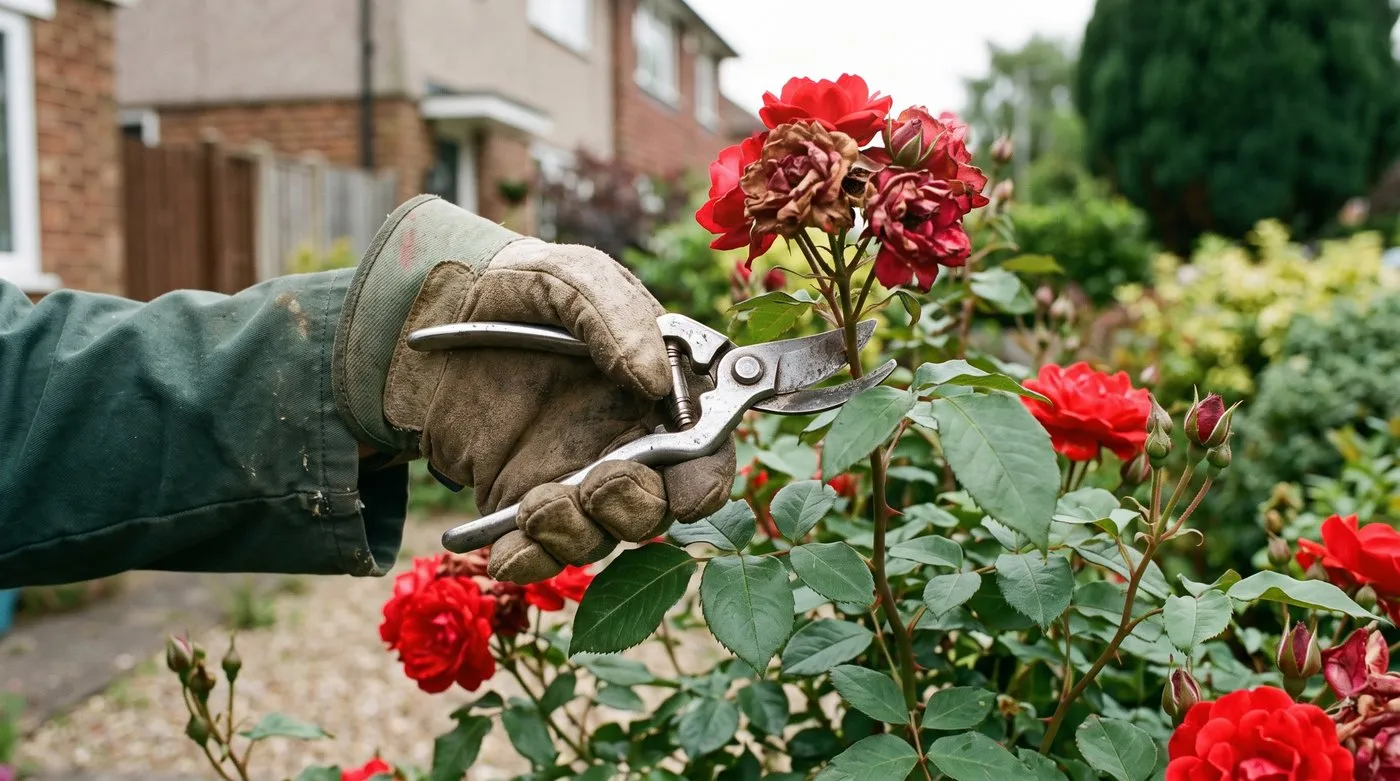
Once a whole cluster has finished, cut it off just above a healthy leaf to make way for the next round.
- Large-flowered (hybrid tea) roses carry one flower per stem. Cut each one back to the first healthy leaf below the flower
- Cluster-flowered (floribunda) and shrub roses flower in bunches. Pinch off single faded flowers as you go, then cut the whole cluster back to a leaf once it has finished
- Repeat-flowering climbers can be deadheaded through summer in the same way
- Once-flowering ramblers and roses grown for hips should be left, so the hips can form for autumn colour and birds
A little rose feed after the first flush helps repeat-flowering roses push out their next round of flowers. Our rose pruning guide covers the bigger cuts in late winter.
How to deadhead dahlias
Dahlias flower non-stop from midsummer to the first frosts if you deadhead them regularly. The trick is telling a faded flower from a new bud, as they can look alike.
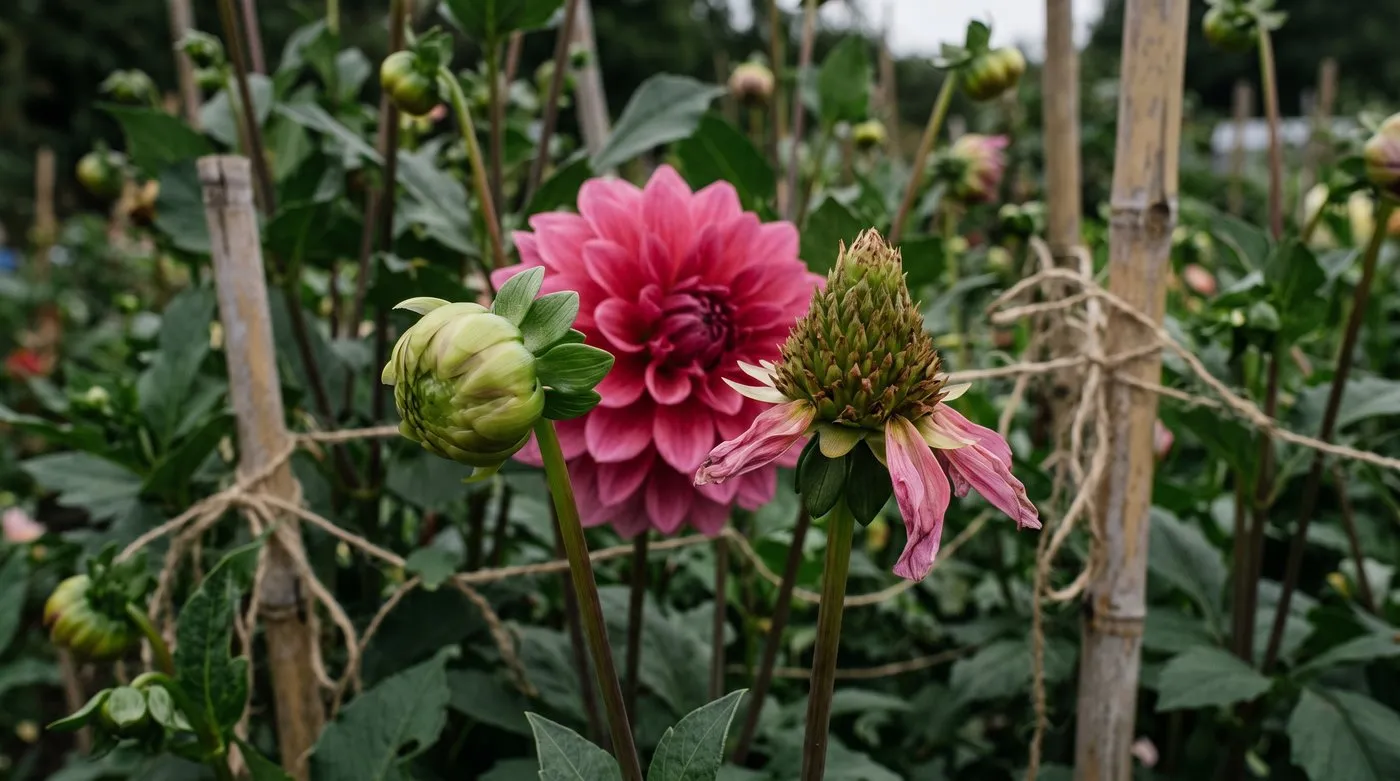
Round and plump means a new bud. Pointed and cone-shaped means it’s finished and ready to come off.
- Faded flower heads are pointed and cone-shaped once the petals drop
- New buds are round and plump
Follow the stem of the faded flower down to the next pair of leaves or side shoot, and cut just above it. Don’t just snip off the head and leave a bare stalk sticking up. Deadhead every few days in late summer, when they’re at their busiest.
Dahlias are toxic to cats and dogs, so pop the cuttings straight in the compost bin rather than leaving them on the ground. Our guide to growing dahlias covers feeding and winter care.
How to deadhead sweet peas
Pick sweet peas several times a week. They’re grown for cutting, so the more you pick, the more they flower.
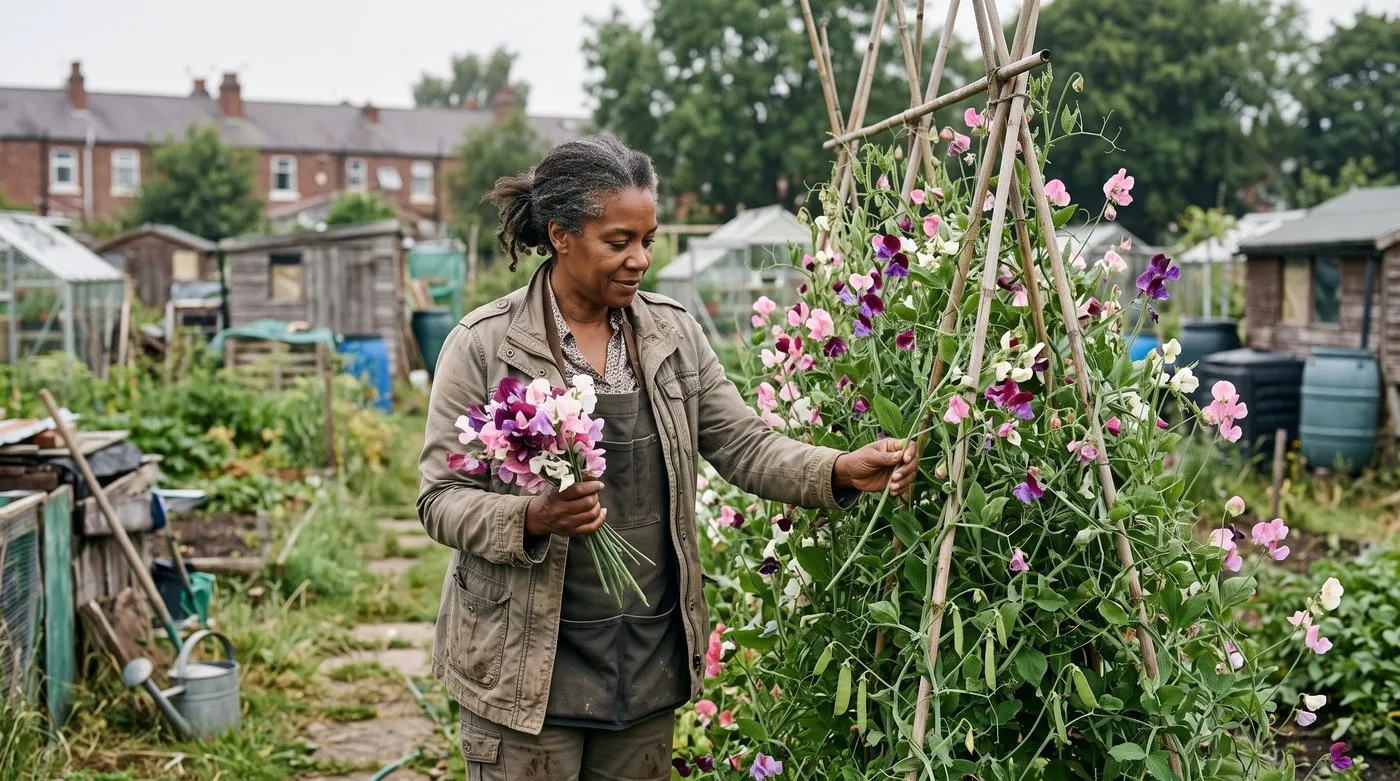
The more sweet peas you pick, the more you get. Snap off any little pods you find while you’re there.
Pick every open flower stem for the house, and snap off any flowers that are fading. Look out for seed pods, which are small, flat and green, like tiny pea pods. Once pods start to form, the plant soon stops flowering, so remove them as soon as you spot them.
Check the backs of the plants as well as the fronts, as flowers often hide behind the leaves. If you’re going away, ask a neighbour to pick them, and they can enjoy the flowers too.
How to deadhead perennials
Different perennials need slightly different treatment.
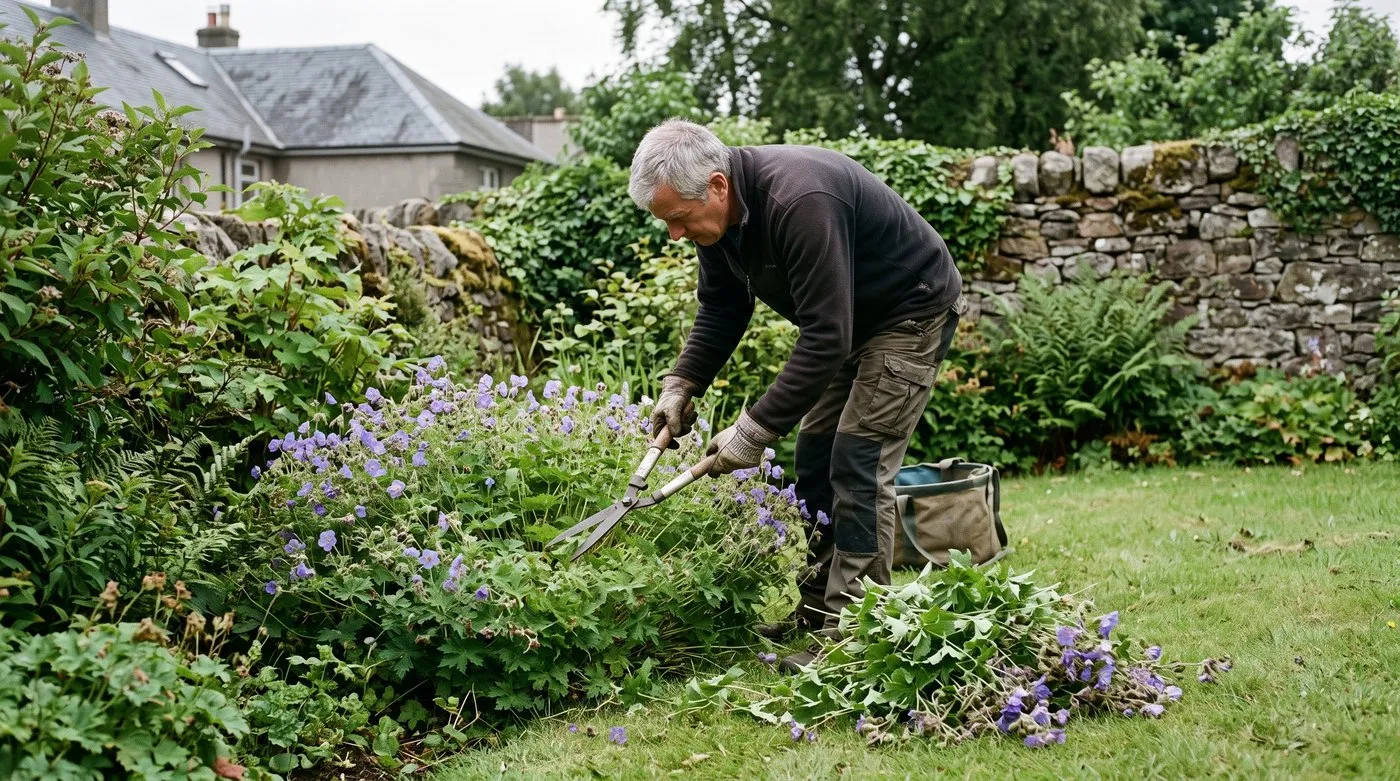
Cut hardy geraniums back hard after the first flush. Fresh leaves and often more flowers follow within weeks.
Spikes, such as delphiniums and lupins. Cut the whole spike back to the leaves at the base once most of the flowers have faded. Delphiniums often send up a smaller second spike if you feed and water them afterwards.
Daisy flowers, such as rudbeckia, heleniums and gaillardias. Snip each faded flower back to the next side bud or leaf. New flowers come from the side shoots. Leave the last flowers of echinacea and rudbeckia in autumn for their seedheads.
Hardy geraniums and catmint (nepeta). Once the first flush fades, usually in early to mid summer, cut the whole plant back hard with shears. Water it well, and fresh leaves and often a second round of flowers follow within a few weeks.
Salvias and penstemons. Cut faded flower spikes back to a pair of leaves or a new side shoot. Both keep flowering into autumn with regular attention.
This kind of cutting back is different from the Chelsea chop, which is done in late May before flowering. Our Chelsea chop guide explains how it delays and spreads the flowering.
Deadheading bedding plants, pots and baskets
Bedding plants in pots and hanging baskets need deadheading most often, as they’re expected to flower all summer. A quick pinch once or twice a week keeps them going.
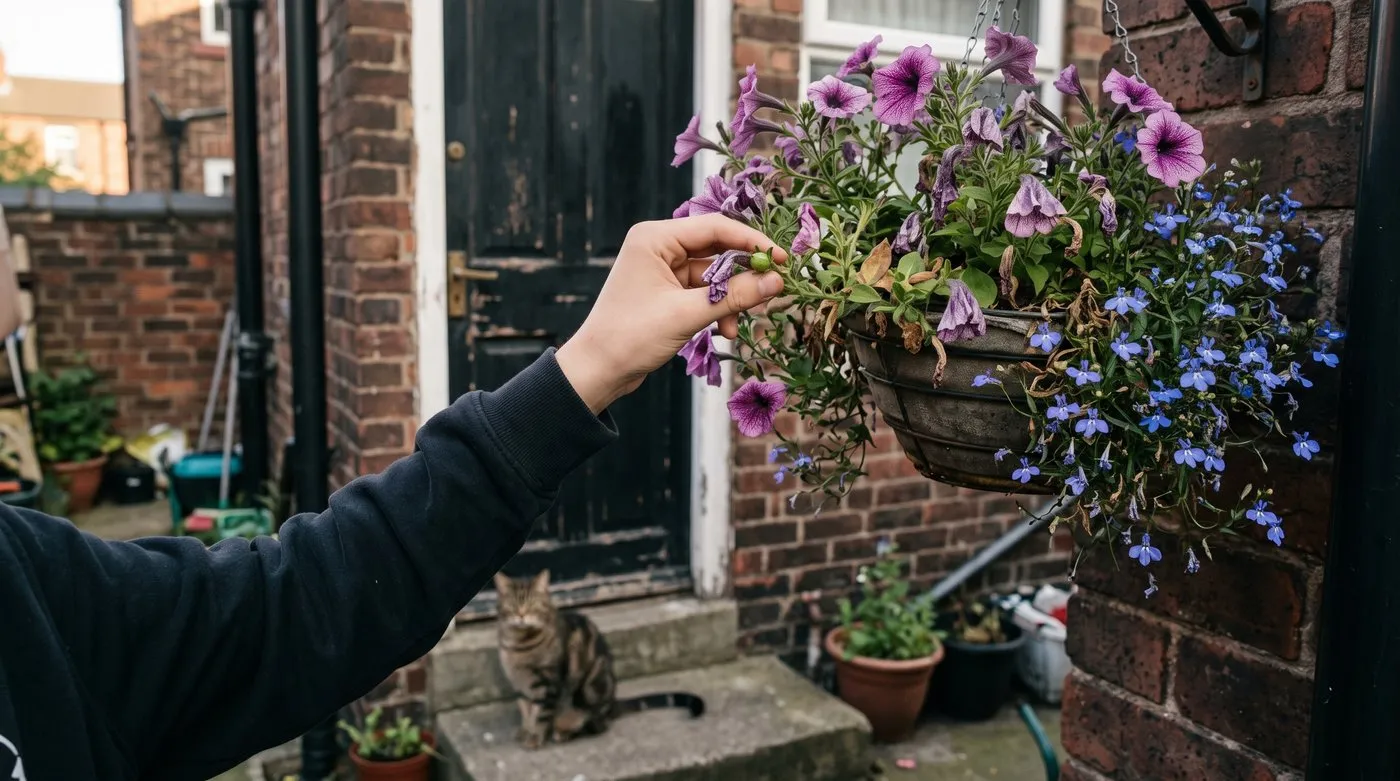
Take the little green seed case as well as the petals, or the petunia will keep putting its energy into seed.
- Petunias: pinch off the faded flower and the green seed case behind it, not just the petals
- Pelargoniums: snap off the whole flower stalk where it joins the main stem
- Marigolds and cosmos: pinch or snip below the faded flower, just above a leaf
Keep going until the first frosts, as bedding plants will be cleared at the end of the season anyway.
Which plants to leave alone
Not every faded flower needs to come off. Leave these if you want seedheads, hips or self-sown seedlings:
- Seedheads for winter interest, such as alliums, sedums, echinacea and ornamental grasses
- Food for birds, such as teasels, echinops and sunflowers
- Self-seeders, such as foxgloves, aquilegias and honesty, if you want more next year
- Roses grown for hips
Our guide to the best plants for winter seedheads has more ideas.
Deadheading through the year
| When | What to deadhead |
|---|---|
| April to May | Tulips and daffodils as the flowers fade, leaving the leaves to die back |
| June | Roses after their first flush, lupins and delphiniums. Start picking sweet peas |
| July | Roses, sweet peas, bedding, pots and baskets. Shear catmint and hardy geraniums |
| August | Dahlias, roses, salvias and penstemons. Trim lavender once flowering ends |
| September | Keep going on dahlias, bedding and pots. Start leaving some border seedheads |
| October to November | Dahlias and bedding until the frosts. Leave other seedheads for birds |
Common deadheading mistakes
Leaving bare stalks. Snipping just the flower head leaves an ugly stalk that dies back. Cut down to a leaf or side shoot.
Cutting off dahlia buds. Buds are round, faded heads are pointed. Look before you cut.
Missing the seed pods. On petunias and sweet peas, take the seed pod as well as the petals.
Deadheading everything in autumn. Leave some seedheads for birds and winter structure.
Using blunt secateurs. They crush stems instead of cutting them cleanly. Sharpen them or replace the blade.
Frequently asked questions
Does deadheading actually produce more flowers?
Yes, on most repeat-flowering plants and annuals. Once a flower sets seed, the plant puts its energy into the seed rather than new buds. Removing faded flowers keeps it making more. Once-flowering plants won’t bloom again, but they look tidier.
How do you deadhead roses correctly?
Cut off the faded flower just above a healthy leaf. Use clean, sharp secateurs. On cluster-flowered roses, remove single faded flowers, then cut off the whole cluster once it’s finished. Leave the flowers on roses grown for hips.
Should I deadhead lavender flowers?
Yes, trim off the faded flower stems once flowering is over. Use shears, cutting just into the leafy growth. Don’t cut into bare, woody stems, as lavender rarely regrows from old wood. Our guide to pruning lavender covers the full trim.
When should I stop deadheading in autumn?
Ease off from September on most border plants. Leaving some seedheads gives birds food and the garden winter shape. Keep deadheading dahlias, bedding and pots while they’re still flowering, until the first frosts.
What flowers should you not deadhead?
Plants grown for seedheads, hips or self-sown seedlings. Honesty, alliums, teasels, echinacea, sedums and once-flowering roses grown for hips all look good after flowering. Foxgloves and aquilegias self-seed if you leave a few spikes.
Can you deadhead with your fingers?
Yes, for soft-stemmed plants such as petunias, pelargoniums and marigolds. Pinch or snap the stem cleanly below the flower and its seed pod. Woody stems such as roses need secateurs, as tearing them leaves ragged wounds.
How often should I deadhead sweet peas?
Several times a week in summer. Pick the flowers for the house and snap off any that are fading. If seed pods form, the plants soon stop flowering, so check the backs of the plants too.
Once your borders are in full swing, our July garden jobs checklist has the other summer tasks to keep on top of, or browse more how-to guides.
Our team produces practical UK gardening guidance from source research, contributor records and established horticultural practice. Editorial standards are overseen by Matt W.


