
Key takeaways
- Do the chop from late May to early June, when stems are about 30-45cm tall
- Cut stems back by a third to a half, just above a pair of leaves
- Chopped stems flower a few weeks later, on shorter, sturdier plants
- Chop just the front of a clump to spread the flowers over a longer season
- Sedums, heleniums, phlox, echinaceas and asters are great candidates
- Leave early flowerers and plants that make one big flower spike alone
The Chelsea Chop is a quick snip in late May that gives you shorter, bushier perennials with flowers that last longer. It’s named after the RHS Chelsea Flower Show, which happens the same week. It’s one of the easiest ways to keep a herbaceous border looking good without extra plants or stakes.
The idea is simple. When the stems are 30-45cm tall, cut some or all of them back. The plant grows back bushier and flowers a bit later. Chop just the front of a clump and you get two waves of flowers instead of one.
What is the Chelsea Chop and why does it work?
Cutting off the growing tip makes a stem branch out. Instead of one tall stem with one flower head, you get two or three shorter stems with more, slightly smaller flowers.
Here’s the simple bit of “why”. The tip of each stem holds back the buds lower down. Take the tip away, and those buds wake up and grow. You’ll see new shoots within a week or two.
That gives you three bonuses. The plant flowers later, because the new shoots need time to grow. The shorter stems are sturdier, so they don’t flop in wind and rain. And the bushier growth fills gaps in the border.
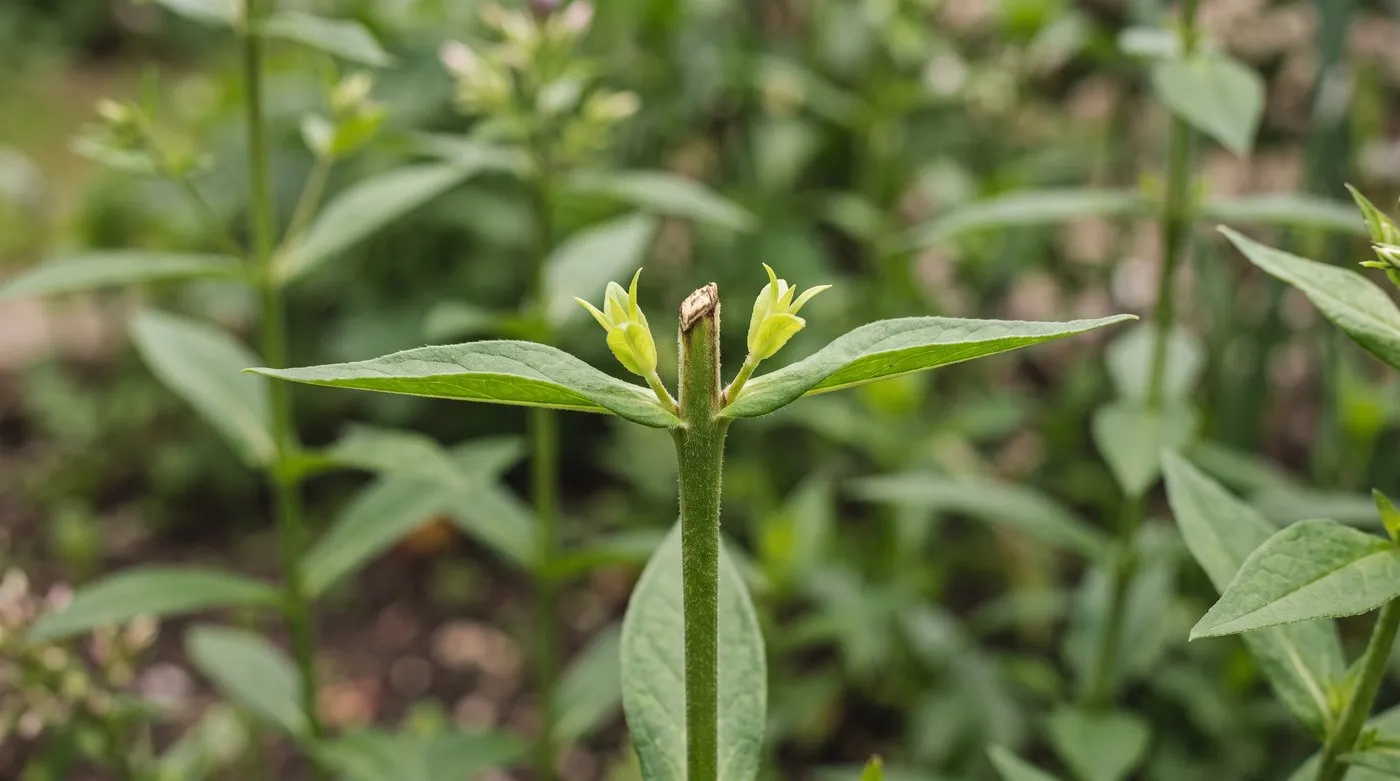
Within a week or two, buds in the leaf joints below the cut wake up. Two shoots replace one, so the plant comes back bushier.
Which perennials should I Chelsea Chop?
Clump-forming perennials that flower from midsummer onwards are ideal. Look for plants with lots of stems coming up from the base. Sedum, helenium, echinacea, phlox, asters, rudbeckia, helianthus, monarda and Campanula lactiflora are all good choices. It doesn’t suit plants that make one big flower spike, such as delphiniums or foxgloves.
 Before and after cutting back a hardy geranium. Fresh, compact leaves soon fill in.
Which plants should I never Chelsea Chop?
Leave plants that flower before July alone. By late May they’ve already made their flower buds, so cutting them off means no flowers this year.
Give these a miss:
- Delphiniums and lupins, as they make single flower spikes
- Iris, as the buds are tucked inside the leaves
- Peonies, as their buds are already set
- Hardy geraniums, which are better cut back after their first flush in summer
- Penstemons, as they’re woody at the base, so prune them in spring instead
- Grasses, as ornamental grasses like Miscanthus don’t branch when cut
A simple rule: if you can already see flower buds at the end of May, don’t chop it.
When exactly should I do the Chelsea Chop?
Late May to early June suits most of England and Wales. It’s handy to remember because it lines up with the Chelsea Flower Show.
Go by the plant, not just the date. The stems should be about 30-45cm tall with several pairs of leaves. Shorter than that and they’re not ready. Much taller and you risk cutting off buds.
| Where you are | Roughly when to chop |
|---|---|
| Southern England | Late May |
| Midlands and East Anglia | Late May to early June |
| Northern England | Late May to early June |
| Scotland and Northern Ireland | Early to mid June |
| Mild coastal gardens | A few days earlier than inland |
How to do the Chelsea Chop: step-by-step technique
All you need is a pair of sharp, clean secateurs. Shears are fine for a big drift of one plant, but secateurs give you more control.
 A clean cut just above a pair of leaves is all it takes.
Step 1: Look at the clump. Stand at the front of the border and pick out the front third of the stems. Those are the ones to cut. Leave the rest.
Step 2: Pick your height. Take off a third to a half of each stem. A 40cm stem goes down to about 20-25cm. Always cut just above a leaf joint, where the leaves meet the stem. That’s where the new shoots come from.
Step 3: Make the cut. One clean snip per stem. Don’t tear or crush.
Step 4: Tidy up. Clear the cut bits off the border so they don’t attract slugs. Pop them on the compost heap.
Step 5: Water if dry. If the soil is dry, give the plants a good soak. They need water to push out new growth.
Try a staggered chop. On a big clump of sedum, chop the front third at the end of May, the middle third a week later, and leave the back alone. You’ll get waves of flowers from late summer into autumn.
What results should I expect from the Chelsea Chop?
Chopped stems flower a few weeks after the uncut ones. Exactly how long depends on the plant, the weather and how much you took off.
 A summer border in layers. The chopped plants at the front are shorter and flower later.
A longer show. Instead of everything flowering at once, the chopped stems carry on after the others finish. Echinacea and asters can keep going well into autumn.
Shorter, sturdier plants. Chopped phlox and helenium end up noticeably shorter. That often means you can skip the stakes and plant supports.
More, smaller flowers. Each flower may be a little smaller, but there are more of them, so the plant still looks full.
Happy pollinators. Flowers that last into autumn give bees and butterflies food when much of the garden has finished.
The Chelsea Chop for cottage garden borders
The chop really earns its keep in a packed cottage garden. Without it, tall plants flop onto shorter neighbours and things look messy by late August.
Think of the border in three rows. Cut front-row plants such as catmint, achillea and low sedums by about half. Cut middle-row plants like salvia, echinacea and monarda by about a third. Leave the tall back row alone, or just trim the outer stems.
You end up with a tiered border where you can see every plant from the front. Pair it with good plant combinations and the border keeps going all summer.
Common Chelsea Chop mistakes to avoid
Leaving it too late. By mid-June, many plants have formed flower buds you can’t see yet. Chop then and you may get leaves but no flowers.
Cutting too hard. Taking more than half off weakens the plant. Stick to a third to a half.
Chopping thirsty plants. Plants that are short of water may not send out side shoots. In a dry spell, water well a day or two before.
Chopping everything. If you chop the whole border, you’ll have a gap with no flowers. Leave plenty uncut. Save the chop for perennials that really benefit.
Using blunt secateurs. Blunt blades crush stems and leave ragged cuts. Keep them sharp and clean.
Month-by-month Chelsea Chop calendar
| Month | Action |
|---|---|
| March | Walk round the borders and decide what to chop this year. |
| April | Mark the stems you’ll cut with string or labels. |
| May (late) | Chop time. Cut when stems are 30-45cm. Water if dry. |
| June (early) | Last chance in the north. Look for new shoots on chopped plants. |
| July | Uncut stems start flowering. Chopped stems growing well. |
| August | Chopped stems start to flower. Deadhead the early ones. |
| September | Chopped stems in full flower. Lovely late summer flowers. |
| October | Last flowers on asters and sedums. Leave seed heads for birds. |
| November | Cut down old stems if you like. Add it to your pruning calendar. |
For a reliable white border daisy, see our guide to growing Shasta daisies.
For more seasonal tasks, see our summer gardening jobs checklist. The RHS Chelsea Chop guide has more plant-by-plant tips.
Frequently asked questions
What is the Chelsea Chop in gardening?
It’s cutting back summer perennials by a third to a half in late May. It’s named after the RHS Chelsea Flower Show, which happens the same week. The plants grow back bushier and flower a few weeks later. You can chop the whole plant, or just part of it for a longer show.
When should I do the Chelsea Chop in the UK?
From late May to early June in most of England. Go by the plants rather than the date: the stems should be about 30-45cm tall. Further north, wait a week or so. Leave it too late and you may cut off flower buds that have already formed.
Which plants respond best to the Chelsea Chop?
Sedum, helenium, echinacea, phlox and asters are all great choices. Rudbeckia, helianthus, monarda and Campanula lactiflora respond well too. Look for clump-forming perennials that flower from midsummer onwards with lots of stems from the base.
Can I Chelsea Chop all of a plant or just part of it?
Either works, but chopping part of it is the fun option. Cut just the front third or the outer stems of the clump. The uncut stems flower as normal and the chopped ones follow a few weeks later. You get a longer show from one plant.
Will the Chelsea Chop damage my perennials?
No, healthy perennials bounce back happily. Cutting the tips makes them send out side shoots, so you get more, shorter stems. Skip weak, newly planted or very dry plants. Give new plants a full season to settle in first.
Does the Chelsea Chop work on lavender and other shrubs?
No, it’s only for soft-stemmed perennials. Lavender, rosemary and other woody plants need different pruning at different times. Lavender won’t grow back from old, bare wood. See the shrub pruning guide for those.
How much should I cut off during the Chelsea Chop?
Take off a third to a half of the stem’s height. So a 40cm stem goes down to about 20-25cm. Use sharp secateurs and cut just above a pair of leaves. Don’t go lower than half, as the plant needs leaves to regrow.
Our team produces practical UK gardening guidance from source research, contributor records and established horticultural practice. Editorial standards are overseen by Matt W.


