
Key takeaways
- Regenerative gardening aims to leave soil healthier each year, not just free of chemicals
- Stop digging so worms, fungi and soil structure can build up undisturbed
- Keep soil covered all year with mulch, cover crops or growing plants
- Spread about 5cm of compost on beds each year and let worms take it down
- Cut cover crops down and leave them on the surface instead of digging them in
- A wide mix of plants and some wild corners bring in the predators that eat pests
Regenerative gardening is about leaving your soil healthier every year. It goes a step beyond organic: as well as avoiding chemicals, you actively build up the life in the soil. The good news is that the main habits are simple, cheap and actually save work.
This guide covers what regenerative gardening means in a UK garden, the five core habits and how to get started. For whole-garden design ideas that sit alongside it, see the guide to permaculture principles.
What makes gardening regenerative?
Regenerative gardening borrows ideas from regenerative farming and scales them down to gardens and allotments. The aim is to grow good crops and flowers while making the soil richer, crumblier and more alive each year.
It rests on five habits:
- Disturb the soil as little as possible. No digging or rotavating.
- Keep the soil covered. Use mulch, cover crops or growing plants.
- Grow a wide mix of plants. Mixed beds rather than long rows of one crop.
- Feed the soil, not just the plants. Use compost, leaf mould and well-rotted manure.
- Make room for wildlife. Add log piles, a pond, flowers and some untidy corners.
How is it different from organic and no-dig?
The three approaches overlap a lot. The difference is mostly in the aim.
| Approach | Main idea | What it may still allow |
|---|---|---|
| Organic | Avoid synthetic fertilisers and pesticides | Digging, bare soil over winter |
| No-dig | Don’t disturb the soil; add compost on top | Bare beds between crops |
| Regenerative | Actively improve soil and wildlife each year | Builds on both of the above |
In practice, most regenerative gardeners are organic and no-dig as well. They also make a point of keeping the soil covered and growing a wide range of plants.
Why soil life matters
Healthy soil is packed with life: worms, fungi, bacteria and tiny creatures. Between them, they break down dead plant material, release nutrients for roots and build a crumbly structure that drains well and holds water.
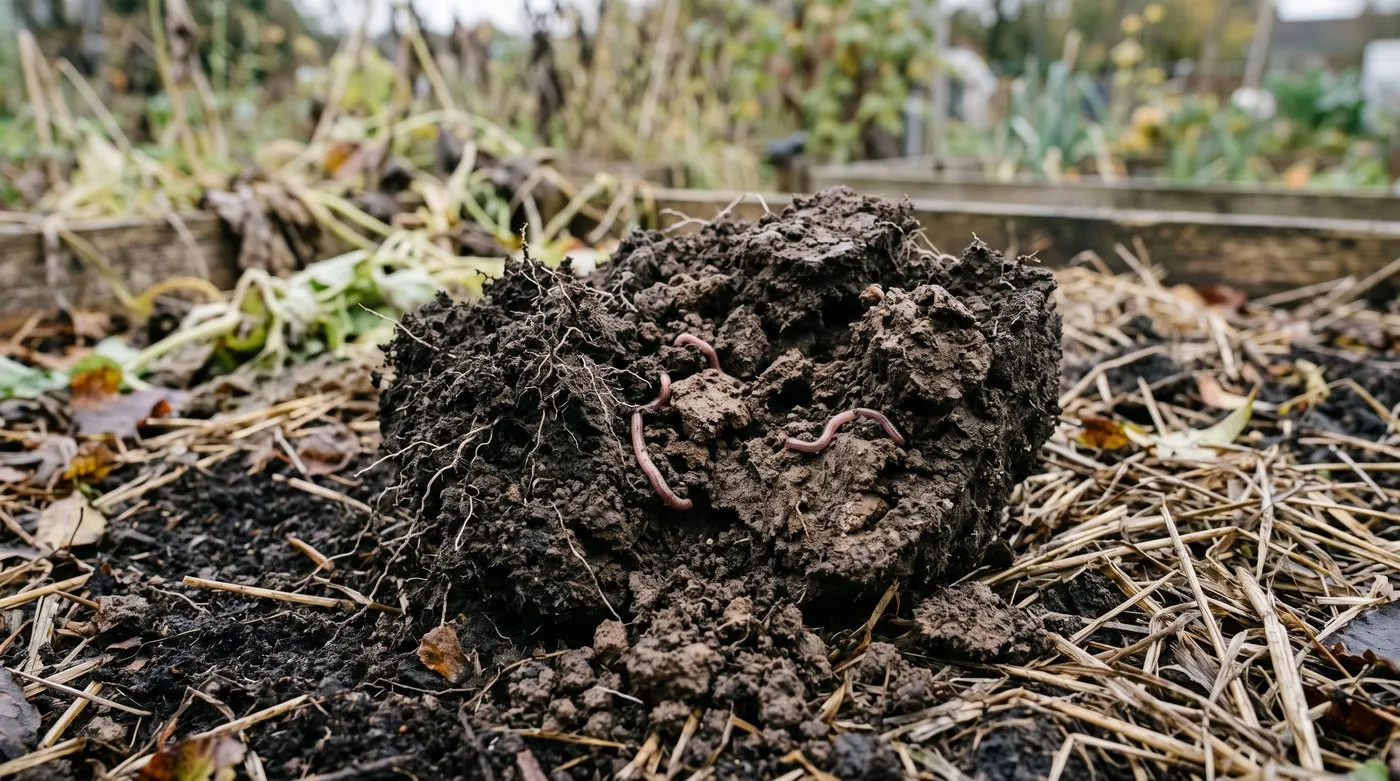
Crumbly soil full of worms and fine roots is what all the mulching and not digging builds up.
- Earthworms pull leaves and mulch down into the soil and leave tunnels that let air and water in. The guide to earthworms in the garden explains why they matter so much.
- Mycorrhizal fungi grow fine threads from plant roots out into the soil. They help plants find water and nutrients in exchange for sugars. Digging breaks these threads, which is one reason to stop. See the guide to mycorrhizal fungi for more.
- Bacteria turn organic matter into food plants can use. Some, living in the roots of peas, beans and clovers, add nitrogen to the soil.
Every time you add compost, mulch or a cover crop, you’re feeding this underground workforce.
Stop digging
Digging breaks up fungal threads, wrecks worm tunnels and brings buried weed seeds to the surface. Leave the soil alone and its structure builds up naturally.
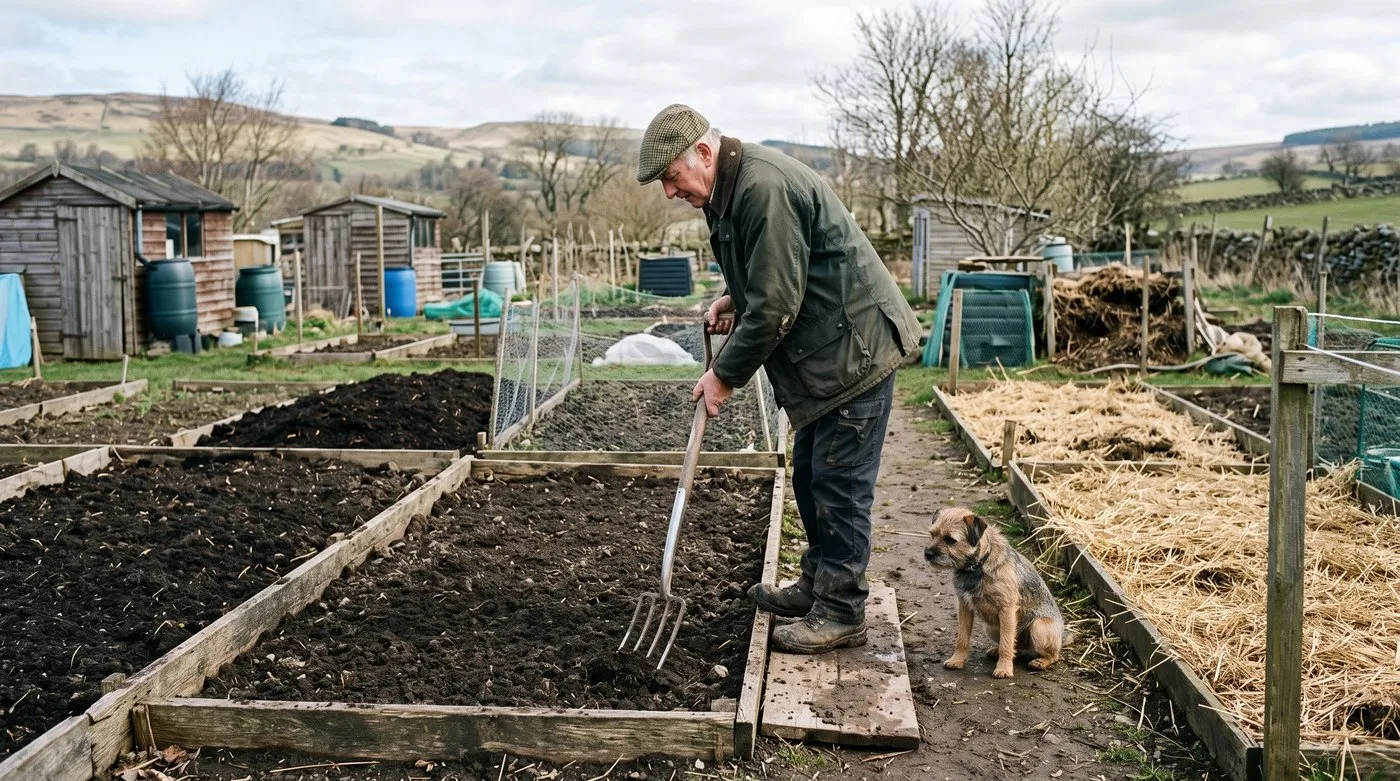
If a bed is compacted, rock a fork gently to let air in. There’s no need to turn the soil over.
Instead of digging, spread compost on top and let worms do the mixing. If a bed is badly compacted, push a garden fork in and rock it gently to open the soil without turning it over. Then keep off the beds: use paths or boards so you’re never standing on growing soil.
Keep soil covered with mulch
Bare soil gets battered by rain, baked by sun and quickly colonised by weeds. Covering it protects the surface and feeds worms and soil life.
- Compost works on all beds and feeds the soil as it breaks down.
- Straw suits veg beds and strawberries.
- Wood chip is best on paths and around shrubs and fruit trees.
- Leaf mould suits woodland plants and shady beds.
- Grass clippings should go on thinly, or they turn slimy.
The guide to what mulch is and how to use it goes into each one.

Straw tucked around veg keeps the soil moist and cool, and worms gradually pull it down.
Grow cover crops in empty beds
Cover crops, also called green manures, are plants you grow to protect and feed the soil rather than to eat. They fill the gaps between crops so soil is never bare.
Autumn sowings (September to October) cover beds through winter:
- Field beans: hardy, and add nitrogen to the soil
- Grazing rye: dense roots hold soil together over winter
- Winter tares (vetch): add nitrogen and scramble over other covers
Spring and summer sowings fill short gaps:
- Phacelia: feathery leaves and blue flowers loved by bees
- Buckwheat: quick-growing and attracts hoverflies
- Crimson clover: red flowers, adds nitrogen
- White clover: low-growing living mulch between taller crops
Cut cover crops down before they set seed, and leave them on the surface or cover them with compost. Grazing rye can hold back small seeds sown straight after it, so wait a few weeks before sowing carrots or salads there. Mustard is a brassica, so keep it out of beds where you’re trying to avoid clubroot. The guide to green manures and cover crops has sowing times for each.

Crimson clover and phacelia cover a resting bed, feed the soil and keep the bees busy.
Compost: feeding the soil
Compost is the fuel for regenerative gardening. It feeds worms and soil life, which then release nutrients slowly to plants.
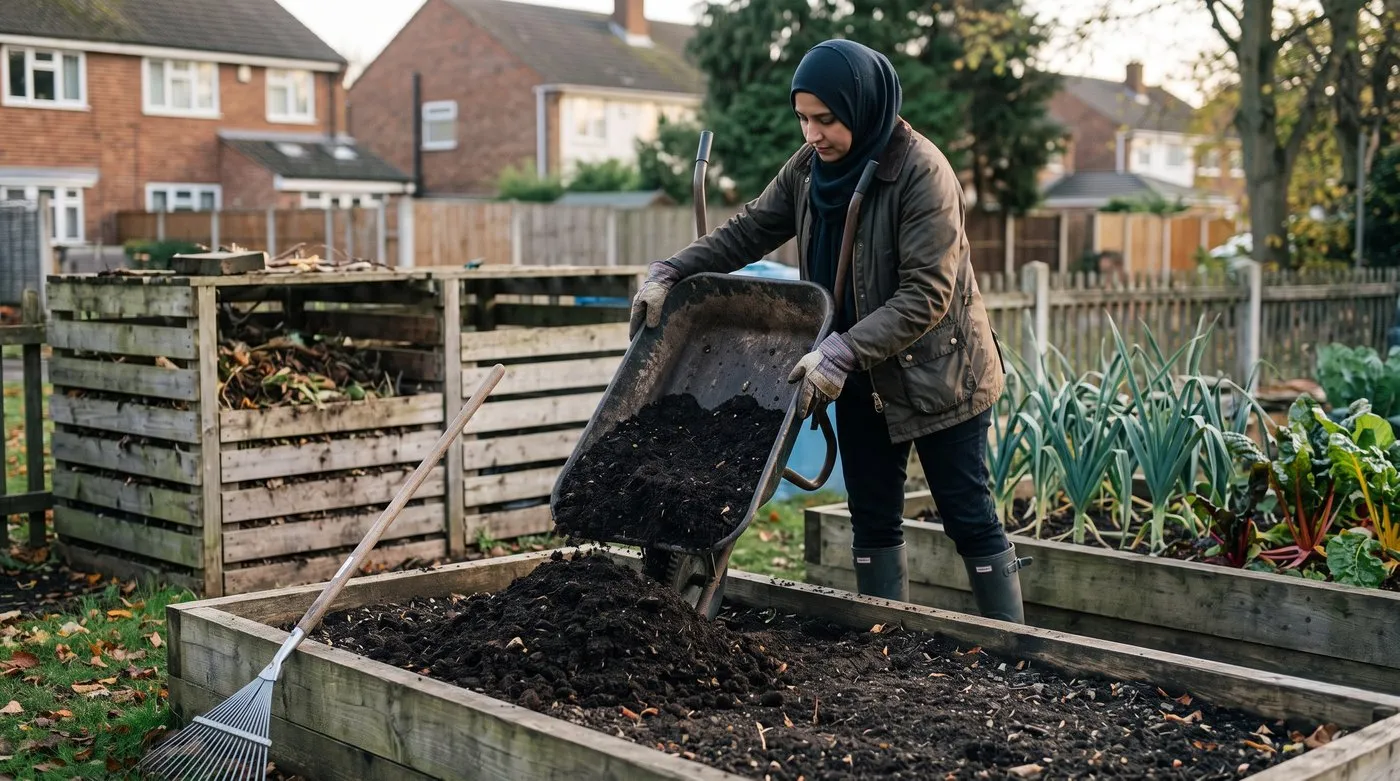
A few centimetres of compost on top each year is all the feeding most beds need. The worms do the digging.
- Spread about 5cm on beds each year, in autumn or late winter. No need to dig it in.
- Make your own from kitchen scraps, garden waste, cardboard and leaves. The composting guide shows you how.
- Bag up fallen leaves to make leaf mould, which is great for woodland plants and seed compost.
- Use manure only when it’s well rotted. Fresh manure can scorch plants, and some can carry weedkiller residues. The guide to aminopyralid in manure explains what to watch for.
Make room for wildlife
A regenerative garden is a habitat as well as a place to grow food. More wildlife means more predators eating your pests.
- Mixed planting: grow flowers among veg, and avoid long rows of one crop.
- Flowering margins: strips of native wildflowers or herbs left to flower bring in hoverflies, ladybirds and lacewings.
- Log and stone piles: homes for beetles, frogs, toads and slow worms.
- A small pond: even a sunken washing-up bowl draws in frogs and newts that eat slugs.
- Native hedging: hawthorn, blackthorn and holly give berries and shelter.
- Some untidiness: leave seedheads and hollow stems standing over winter for insects.

Veg beds, wildflower strips, a compost bay and a pond all working together.
A seasonal plan to get started
You don’t need to change everything at once. Start with not digging and covering bare soil, then add more each season.
| Season | What to do |
|---|---|
| Spring (March to May) | Sow phacelia, buckwheat or clover in empty beds. Undersow white clover between taller crops |
| Summer (June to August) | Mulch around plants. Let some herbs flower. Keep composting garden waste |
| Autumn (September to November) | Sow winter cover crops as beds clear. Spread compost. Bag fallen leaves. Build a log pile |
| Winter (December to February) | Leave cover crops and seedheads standing. Plan mixed planting for next year |
How to tell if your soil is improving
You don’t need a lab. Simple checks each spring show you how things are going:
- Worms: lift a spadeful of soil and look. More worms year on year is a great sign.
- Crumb: good soil breaks into small, rounded crumbs and smells earthy.
- Drainage: after heavy rain, puddles should vanish faster than they used to.
- Weeds: you’ll usually find fewer seedlings once you stop digging.
A simple home pH kit is handy if you’re unsure whether your soil is acid or alkaline.
Common mistakes when going regenerative
- Digging in cover crops. Cut them down and leave them on top instead.
- Leaving soil bare over winter. Sow a cover crop or lay a mulch.
- Tidying everything in autumn. Leave some stems and leaves for wildlife.
- Using fresh or doubtful manure. Only use well-rotted manure from a source you trust.
- Expecting instant change. Soil builds up over a few years, not weeks.
For more practical guides, visit the how-to hub. Ready to stop digging for good? Start with the no-dig gardening guide for the next step.
Frequently asked questions
What is the difference between regenerative and organic gardening?
Organic gardening avoids synthetic chemicals; regenerative gardening also sets out to improve the soil. An organic garden can still be dug every year or left bare all winter. Regenerative gardening adds no digging, year-round soil cover, lots of plant variety and plenty of compost.
How long does it take to see results from regenerative gardening?
Many gardeners notice changes within a year or two. More worms, crumblier soil and fewer weeds often show first. Building up a badly worn-out soil takes several years of mulching and composting, but it gets better every season.
Can I practise regenerative gardening on heavy clay soil?
Yes, clay responds well to it. Spread compost or well-rotted organic matter on top each year and never walk on the beds. Worms work it in and gradually improve drainage. Keep off clay when it’s wet, as treading on it damages the structure.
Do I need to buy special products to start regenerative gardening?
No, you can start for free. Stop digging, cover the soil with organic mulch and make your own compost. Cover crop seed is cheap, and you can save some yourself. Mycorrhizal products are optional; soil fungi usually return once digging stops.
What cover crops work best in UK gardens?
Field beans, phacelia, crimson clover, buckwheat and grazing rye are reliable choices. Beans and clovers add nitrogen. Phacelia and buckwheat are loved by bees and hoverflies. Grazing rye covers bare soil through winter. Cut them down and leave them on top rather than digging them in.
Does regenerative gardening reduce the need for watering?
Yes, it usually means watering less often. Soil rich in organic matter holds more water, and mulch slows evaporation. You’ll still need to water new plants, pots and crops in long dry spells.
How does regenerative gardening help with climate change?
It helps soil hold on to more carbon. Plants pull carbon from the air, and some ends up in the soil through roots, compost and mulch. Not digging helps keep it there. Each garden is small, but together they add up.
Our team produces practical UK gardening guidance from source research, contributor records and established horticultural practice. Editorial standards are overseen by Matt W.


