Key takeaways
- Plant in September or October, about 20cm deep and 30cm apart
- Tip each bulb on its side so rain can't collect in the hollow top and rot it
- Full sun and well-drained soil are a must. Wet ground is what kills them
- Crown imperials flower in April, at about the same time as tulips
- Check stems for bright red lily beetles and their grubs from March
- Leave the leaves to die back naturally after flowering to feed next year's flowers
Crown imperial (Fritillaria imperialis) is the tallest, boldest spring bulb you can grow. Plant the big bulbs on their side about 20cm deep in autumn, in full sun and well-drained soil. In April you’ll get stems up to 1m tall, topped with a ring of hanging bells under a leafy tuft, like a pineapple wearing a crown.
This guide covers crown imperial only. For snake’s head fritillary and the other members of the family, see the guide to growing fritillaria. Here you’ll find the planting trick that stops the bulbs rotting, the best varieties and how to keep them flowering year after year.
What does crown imperial look like?
Crown imperial has a single thick stem with glossy, lance-shaped leaves. At the top is a ring of large, hanging bells in orange, red or yellow, crowned with a tuft of leafy green bracts.
Turn a bell up and you’ll see shiny drops of nectar inside, which is a lovely surprise. The plant comes from rocky hillsides from Turkey east to the Himalayas, so it likes sun and sharp drainage. Cold isn’t the problem in the UK. Wet soil is.
The bulbs and leaves have a strong, musky, fox-like smell, especially on a warm day. It’s harmless, and many gardeners believe it helps put off mice and squirrels.

That leafy topknot is where the name comes from. Every crown imperial has it, whatever the flower colour.
Why you plant the bulbs on their side
Plant crown imperial bulbs tipped on their side so that rain can’t collect in the hollow top. Each bulb has a deep crater where last year’s stem grew. Planted upright, that crater fills with water and the bulb can rot from the middle.

October planting, with the bulb on its side and grit underneath. It’s the simplest way to stop rot.
- Dig a hole about 20cm deep, measured to the top of the bulb.
- Put a good handful of grit in the bottom, especially on heavy soil.
- Lay the bulb on its side on the grit, with the hollow facing sideways.
- Backfill with soil, firm gently and water in once.
Space bulbs about 30cm apart, in groups of three or five. A single crown imperial can look a bit lonely, but a group makes a real statement.

On its side, on a bed of grit. Rain runs straight out of the hollow instead of sitting in it.
Buying and handling the bulbs
Crown imperial bulbs have no tunic, the papery skin that protects tulip and daffodil bulbs. The flesh is exposed, so they dry out and bruise easily.
Buy firm, heavy bulbs with no soft or brown patches. Plant them within a few days of getting them home. If a bulb arrives looking a bit shrivelled, stand it on a tray of barely damp sand for a couple of days before planting. Don’t leave loose bulbs in a warm shed waiting for a better day.
Safety note: Crown imperial bulbs are poisonous if eaten. Keep loose bulbs away from dogs and children while you plant, and wash your hands afterwards.

You can see the hollow crater and bare, skinless flesh here. Bulbs like this dry out fast, so plant them promptly.
Where to plant crown imperial
Plant crown imperial in full sun and well-drained soil, somewhere sheltered from strong wind.
- Sun: full sun, or very light shade for part of the day. In shade the stems lean and flowers are few.
- Drainage: the most important thing. The bulbs cope with cold but rot in wet ground, especially in summer when they’re resting. On clay, add plenty of grit or plant on a low mound. The guide to improving clay soil explains how.
- Soil: fertile and free-draining. Add grit and some well-rotted compost, but no fresh manure.
- Shelter: a wall, hedge or fence on the windy side keeps the tall stems upright.

A sunny spot with a wall behind keeps the stems upright. Crown imperials make great back-of-border plants in April.
Best crown imperial varieties
All crown imperials share the same shape, so choose by colour and height. Go for a shorter one if your garden is windy.
| Variety | Colour | Good to know |
|---|---|---|
| ’Rubra Maxima’ | Deep orange-red | Tall and dramatic, needs shelter |
| ’Maxima Lutea’ | Bright yellow | Tall, glows in spring sun |
| ’Aurora’ | Orange-red | Shorter and sturdier, good for windy spots |
| ’Lutea’ | Yellow | Easy and widely sold |
| ’The Premier’ | Soft orange | A gentler colour for mixed borders |
Plant each variety in its own group rather than dotting single bulbs about. Two groups in contrasting colours look great.
Pests and problems
The main pest is the scarlet lily beetle, which feeds on crown imperials as well as lilies. Look for the bright red beetles from March, and for their grubs, hidden under wet black droppings on the leaves.
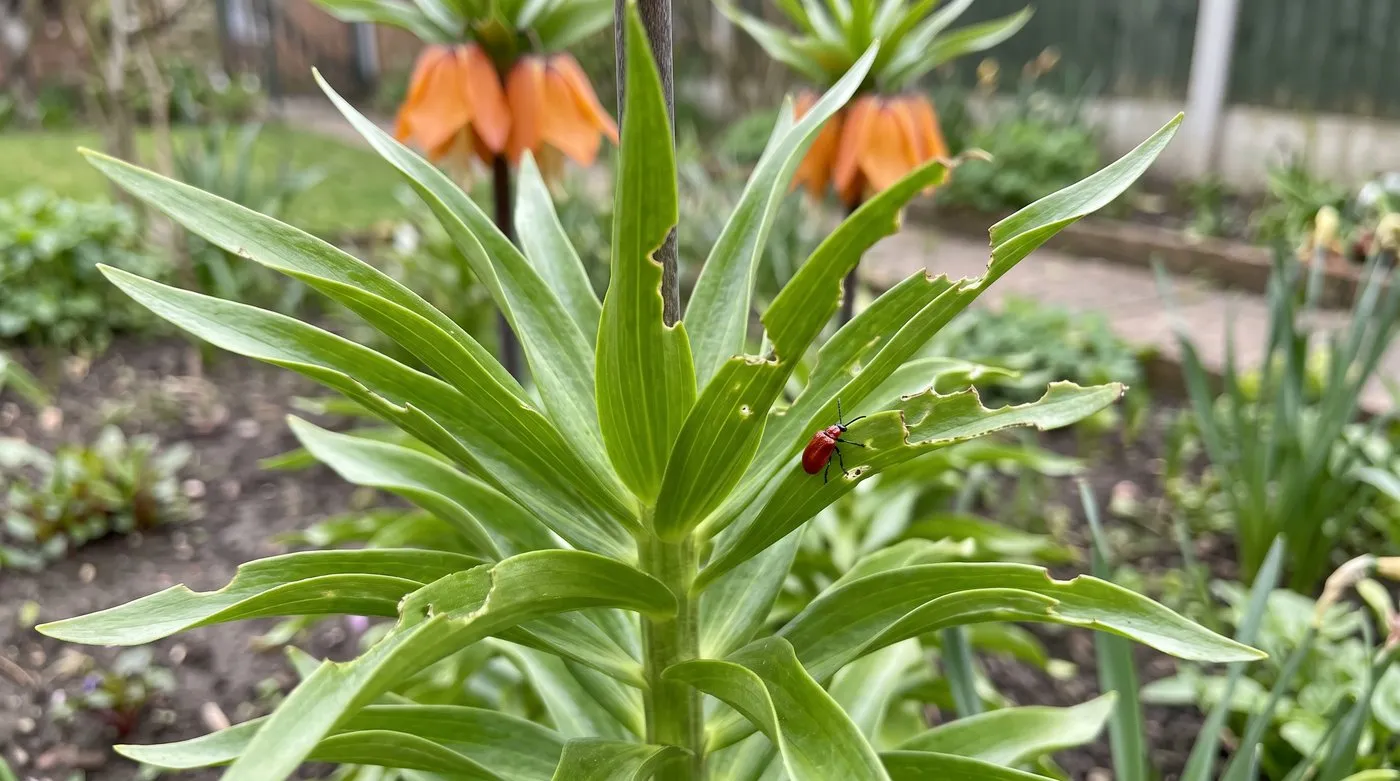
Ragged, chewed leaves and a bright red beetle mean lily beetle. Pick them off by hand whenever you spot them.
Pick off beetles and grubs by hand whenever you see them. Hold a hand underneath first, as the beetles drop to the ground when disturbed. The guide to lily beetle control shows what to look for.
Slugs sometimes nibble the new shoots in early spring. Bulb rot is the big one, caused by wet soil or bulbs planted upright. Side-planting on grit is the best prevention.
Why has my crown imperial stopped flowering?
Crown imperials that come up with leaves but no flowers usually have one of four problems. The bulb is too shallow, the soil too wet, the spot too shady, or the bulb too small.
Replant shallow bulbs deeper in summer, once the leaves have died down. Move bulbs in shade into a sunnier spot. Sprinkle sulphate of potash around the stems in March to help the bulbs build up flowers. Most importantly, let the leaves die back naturally after flowering. They feed next year’s flowers, so don’t cut them while they’re still green. The guide to spring bulb care after flowering has more tips.
Crown imperial growing calendar
| Month | What to do |
|---|---|
| January | Bulbs are resting. Make sure water isn’t standing on the bed |
| February | Shoots appear on early sites. Watch for slugs |
| March | Feed with sulphate of potash. Start checking for lily beetles |
| April | Flowers open. Keep picking off lily beetles. Water in dry spells |
| May | Flowers fade. Snap off seed heads but leave the leaves |
| June | Leaves yellow and die down. Lift and divide crowded clumps now if needed |
| July | Bulbs rest. Keep the bed on the dry side |
| August | Order new bulbs |
| September | Plant bulbs on their side, 20cm deep, on grit |
| October | Finish planting before the soil gets cold and wet |
| November and December | Keep beds free of standing water |
Growing crown imperials with other bulbs
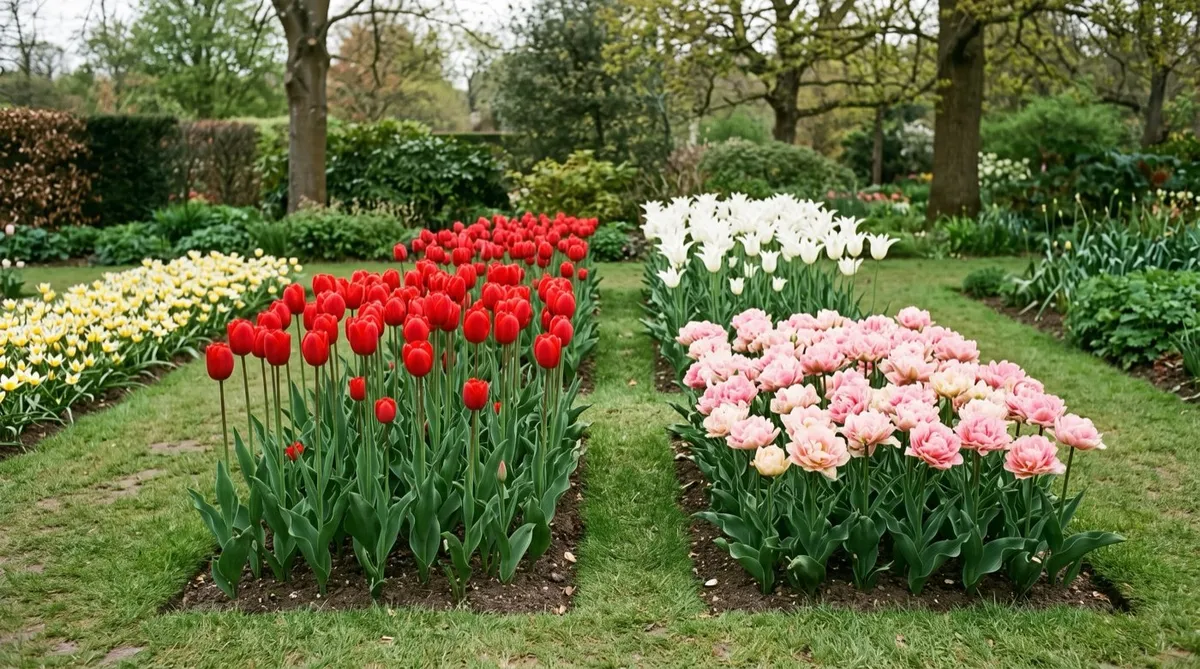
Crown imperials flower in April, alongside many tulips. Plant them at the back of a border with earlier and later bulbs around them, so the patch stays colourful for weeks.
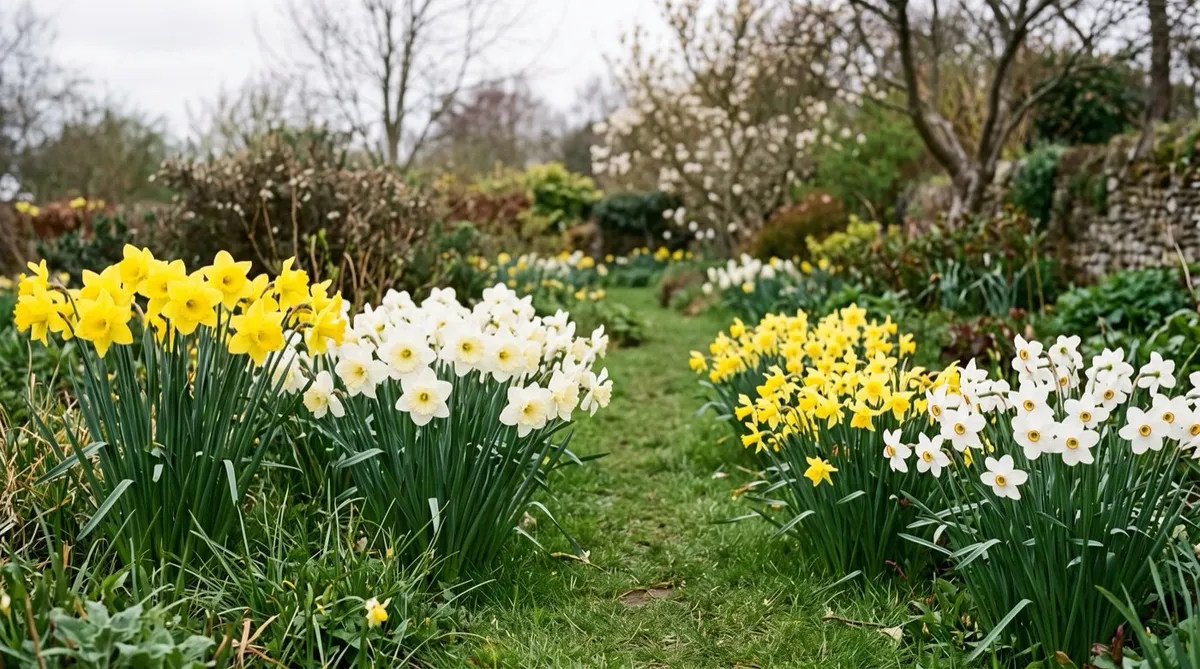
Daffodils bring colour in March before the crown imperials open. Tulips flower with them in April, and the two make a bold pair. Alliums take over in May as the crown imperials fade. For mixing tulip shapes and colours, read the guide to growing tulips.
Common mistakes with crown imperial
- Planting upright with no grit. Water sits in the hollow and the bulb rots. Tip it on its side.
- Planting too shallow. Shallow bulbs often stop flowering. Aim for about 20cm deep.
- Leaving bulbs lying around. With no papery skin, they dry out in days. Plant them promptly.
- Wet or shady ground. You’ll get weak stems and rotten bulbs. Pick a sunny, well-drained spot.
- Cutting leaves too early. The bulb needs them to build next year’s flowers.
Now you’ve got crown imperials sorted, find more spring bulbs and border ideas in the plants hub.
Frequently asked questions
Why do you plant Crown Imperial bulbs on their side?
So rain can’t collect in the hollow top of the bulb and rot it. Each bulb has a deep crater where last year’s stem grew. Tipped on its side, water drains out instead of pooling. A layer of grit underneath helps too.
How deep should I plant Crown Imperial fritillaria?
Plant the bulbs about 20cm deep and 30cm apart. Deep planting helps anchor the tall stems and keeps the bulb cool in summer. On heavy soil, sit each bulb on a handful of grit.
When should I plant Crown Imperial bulbs in the UK?
Plant in September or October, as soon as you buy them. The bulbs have no papery skin, so they dry out quickly. Choose firm, heavy bulbs and get them in the ground within a few days.
Why does Crown Imperial smell bad?
The bulbs and leaves have a strong, musky, fox-like smell. It’s natural and nothing to worry about. Many gardeners believe it helps keep mice and squirrels away, though it won’t protect the whole garden.
Why has my Crown Imperial stopped flowering?
Usually the bulb is too shallow, too wet or short of sun. Small bulbs and leaves cut off too early also cause it. Replant deeper in a sunny, well-drained spot, feed with sulphate of potash in spring and let the leaves die back naturally.
Are crown imperials poisonous to pets?
Yes, the bulbs are poisonous if eaten. Plant them where dogs won’t dig them up, and keep loose bulbs out of reach while you plant. Contact your vet if a pet chews one.
Can I grow Crown Imperial in a pot?
Yes, in a large, deep, heavy pot. Use loam-based compost mixed with plenty of grit, plant the bulb on its side and raise the pot on feet. A heavy pot stops the tall stems blowing over.
Our team produces practical UK gardening guidance from source research, contributor records and established horticultural practice. Editorial standards are overseen by Matt W.