
Key takeaways
- Plants that wilt on warm afternoons and recover overnight are the first clue
- Swollen, solid galls on the roots confirm club root
- Spores can stay in soil for up to 20 years, so manage it rather than cure it
- Lime acid soil to just above neutral and raise plants in 9cm pots of clean compost
- Resistant varieties such as Kilaton cabbage and Clapton cauliflower crop on infected ground
- Clean boots and tools, and never compost infected roots
Club root is the brassica disease allotment growers dread most. It swells and twists the roots of cabbages, sprouts, kale and their relatives, so plants can’t take up water. Once it’s in your soil, it stays for many years.
The good news is that you can still grow decent brassicas on infected ground. This guide shows you how to confirm club root, how it gets onto a plot, and the steps that let you keep cropping. If you’re not yet sure which brassica problem you’ve got, start with the brassica diseases identification guide.
How to tell if your brassicas have club root
The first clue is wilting on warm afternoons. Affected plants droop in the sun and perk up overnight. It looks like drought, so people often water more, which doesn’t help.
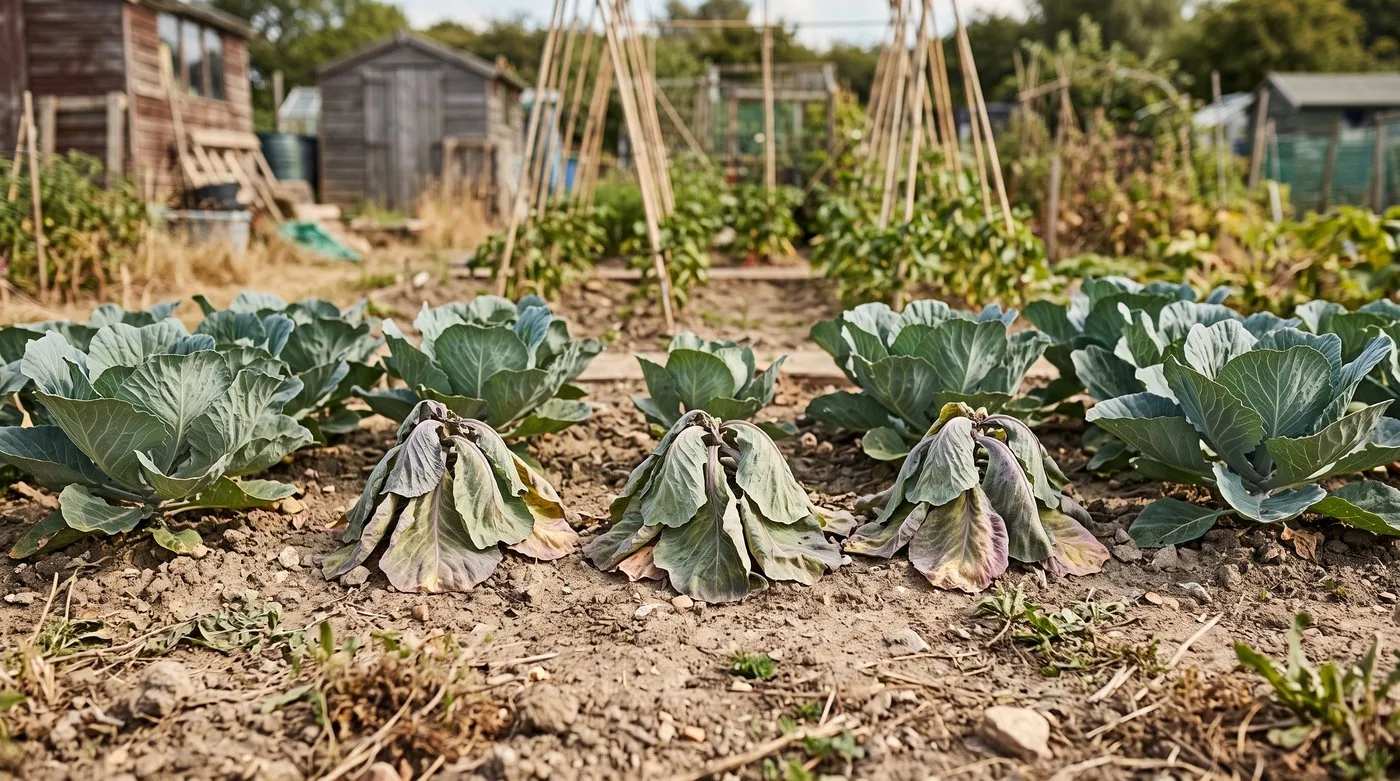
Wilting on a warm afternoon while neighbours stand firm is often the first hint of club root. Lift one to check the roots.
Next, leaves turn yellow or purplish and growth stalls. Cabbages don’t heart up, cauliflowers make tiny curds and Brussels sprouts give small, loose buttons.
To be sure, lift a struggling plant and look at the roots. Club root turns the fine root system into swollen, knobbly galls. Early on they’re pea-sized lumps on side roots. Later they fuse into fist-sized clubs that rot to a smelly brown mush, releasing fresh spores.
Gardener’s tip: Cut a gall in half. Club root galls are solid all the way through. A round, hollow gall with a little grub inside is turnip gall weevil, which is far less serious.
Cabbage root fly is the other common root problem. Its maggots tunnel into roots rather than swelling them. The cabbage root fly guide shows the difference.

Knobbly, swollen roots like these confirm club root. A healthy brassica has a fine, fibrous root system instead.
Which plants does club root affect?
Club root attacks the whole cabbage family. That means cabbage, broccoli, cauliflower, Brussels sprouts, kale, kohlrabi, turnip, swede and radish.
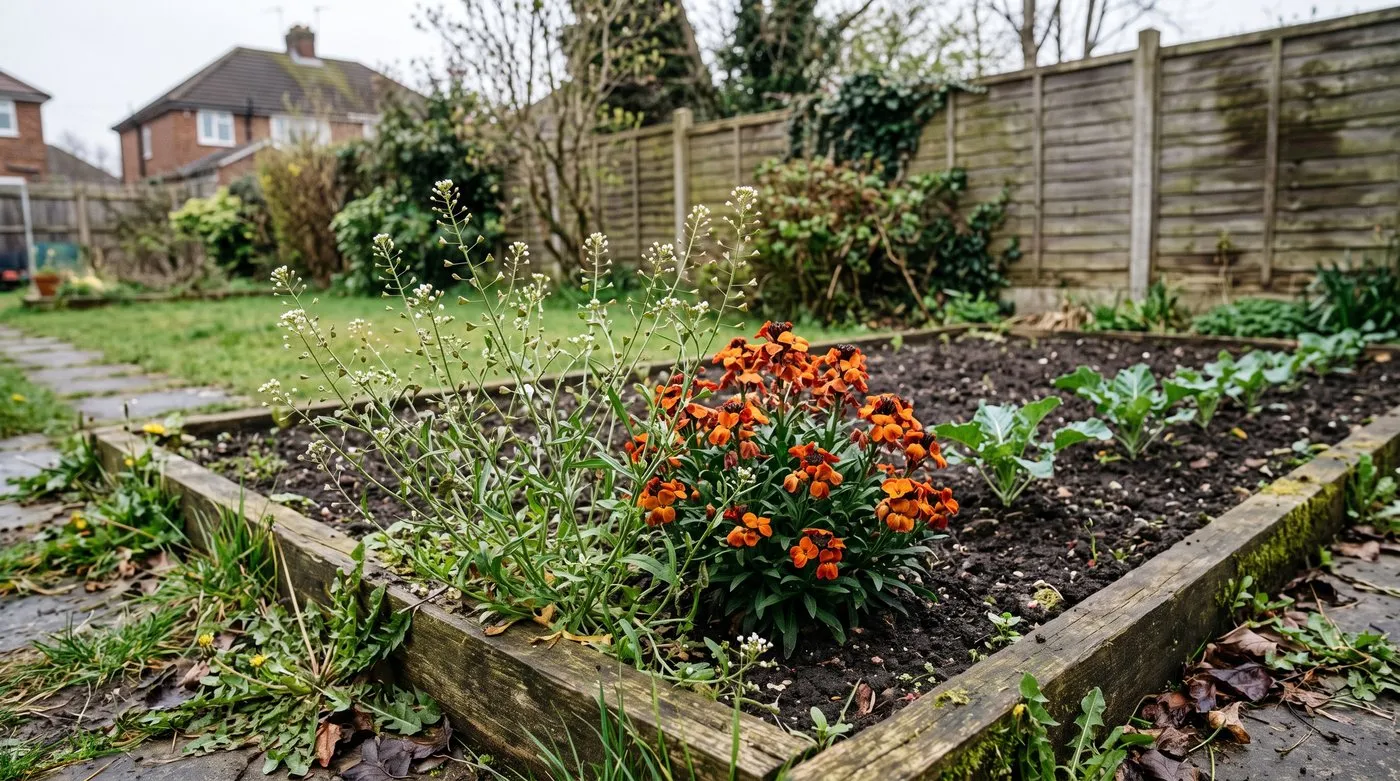
Shepherd’s purse and wallflowers are both in the cabbage family. Keep them away from brassica beds so they don’t harbour club root.
Some garden flowers are in the family too. Wallflowers, stocks, aubrieta, honesty and sweet alyssum can all carry it. Planting wallflowers in a bed that later grows cabbages is a common way to bring it in.
Weeds keep it going between crops. Shepherd’s purse and charlock are the usual culprits, so pull them from bed edges and paths.
Plants outside the cabbage family are not affected. Beans, peas, onions, potatoes, tomatoes, carrots and squash are all safe to grow in infected ground.
How club root spreads around a plot
Club root moves in soil. A small clod of infected earth on a boot is enough to bring it into a clean bed.
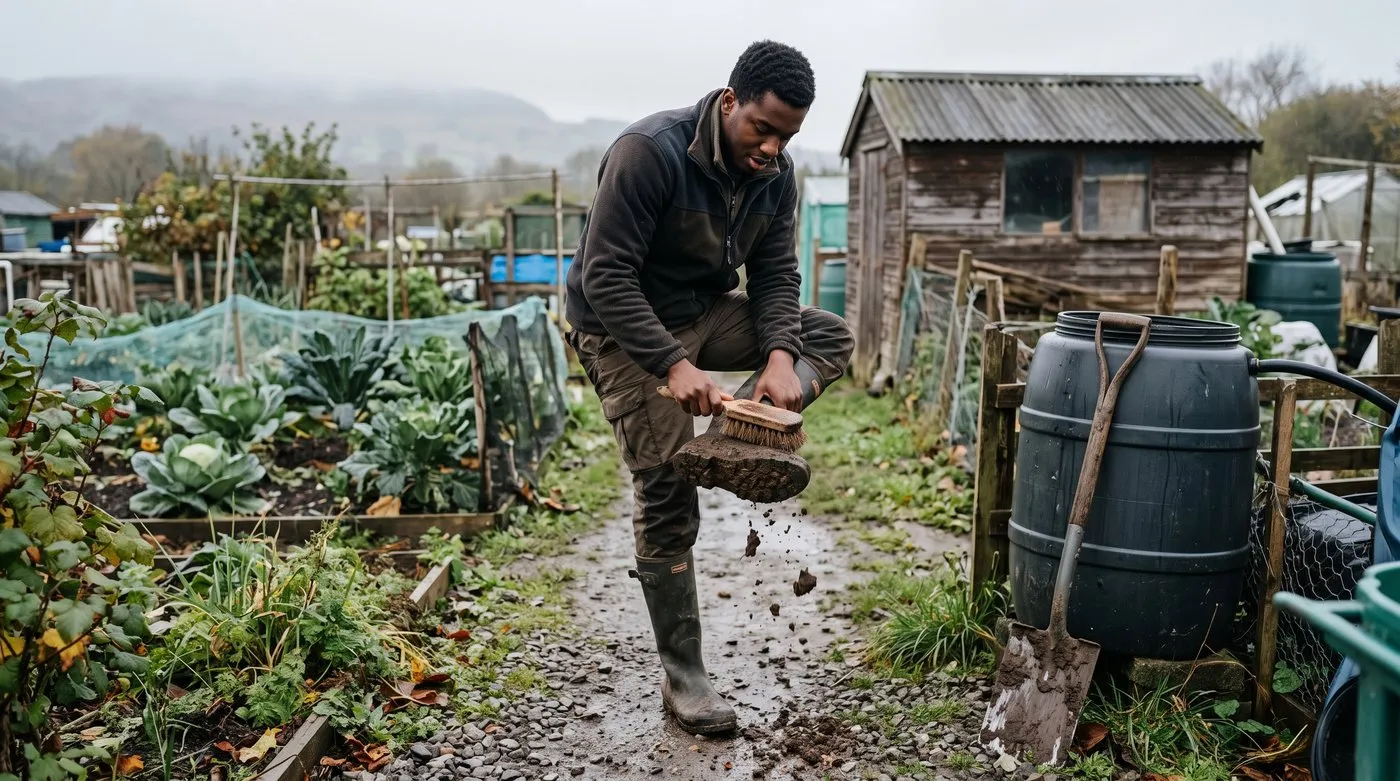
A quick scrub of boots and tools before moving to another bed stops club root hitching a lift.
The usual routes are:
- Boots and tools moved from one bed or plot to another
- Shared kit such as wheelbarrows and rotavators
- Bought or swapped plants raised in infected soil
- Water running downhill, which is why lower plots are often hit first
- Wallflowers and brassica weeds carrying it from bed to bed
The spores sit in the soil until brassica roots grow nearby, then wake up and infect them. Every infected plant left to rot in the ground adds more spores. That’s why a mild problem gets worse year by year if nothing is done.
How to keep growing brassicas on infected ground
There is no cure, but these steps work well together. Use as many as you can.
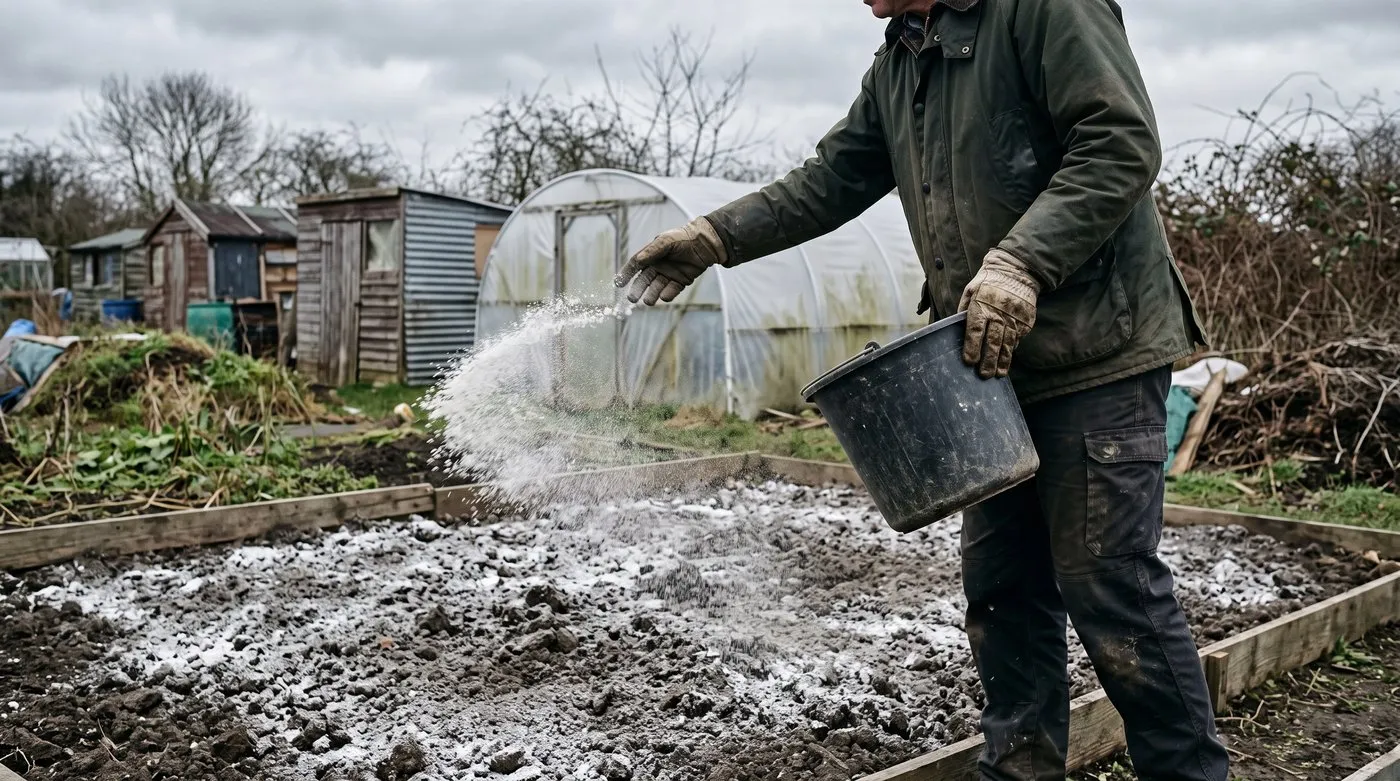
Lime acid beds in autumn or winter, ahead of next year’s brassicas. Test the soil first so you know how much it needs.
Lime acid soil. Club root struggles in soil just above neutral, around pH 7.2 to 7.5. Test first, then lime in autumn or winter at the rate on the pack. Re-test each year. The guide to garden lime explains which type to buy and how much to use. Don’t lime and add manure at the same time.
Raise plants in pots of clean compost. Grow seedlings on in 9cm pots of fresh compost until they have a big, healthy root ball. They then cope far better when the roots reach infected soil.
Grow resistant varieties. These give the most reliable crops on badly infected ground (more below).
Rotate your crops. Moving brassicas to a new bed each year slows spore build-up, even though it can’t clear the soil. The four-year crop rotation plan shows how to fit brassicas in.
Keep it clean. Brush soil off boots and tools before moving between beds. Pull up infected plants with as much root as you can, and put them in the council green bin. Never compost them, as home heaps don’t get hot enough.
Improve drainage. Club root thrives in wet, acid soil, so adding organic matter to heavy ground helps.
Club root resistant varieties
Resistant varieties are your best friend on infected ground. Look for “club root resistant” in the seed catalogue description.
| Crop | Resistant varieties |
|---|---|
| Summer and autumn cabbage | Kilaton F1, Kilaxy F1, Kilazol F1 |
| Cauliflower | Clapton F1 |
| Brussels sprouts | Crispus F1 |
Resistant doesn’t mean immune. In heavily infected soil the roots can still pick up small galls, but the plants usually still crop. Combine resistance with liming and pot-raised plants for the best results.
Growing brassicas in raised beds and pots
If your soil is badly infected, keep the roots out of it altogether. Raised beds filled with fresh compost and topsoil give brassicas a clean root zone. Make them at least 30cm deep, and use a fresh bed rather than one already used for brassicas on the site. The guide to raised bed gardening covers building and filling them.
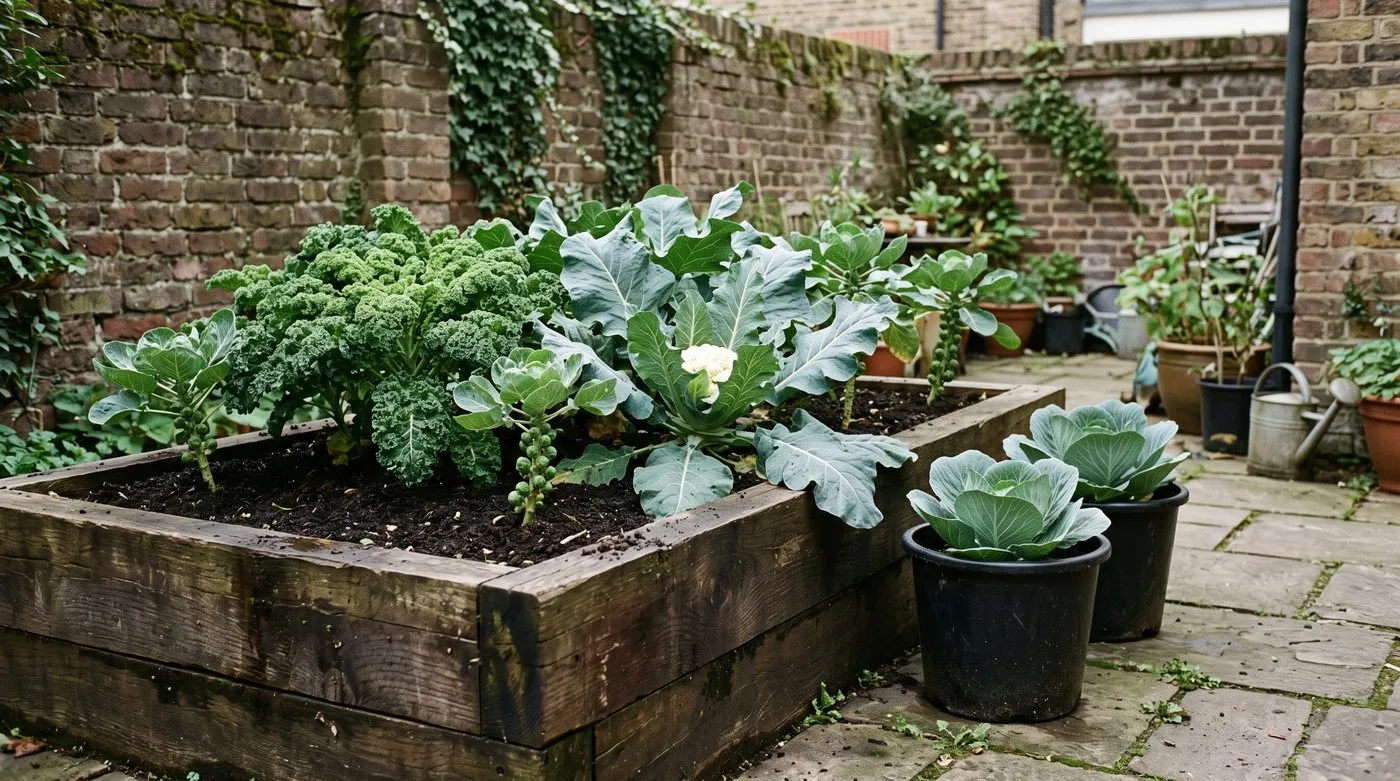
Fresh compost in a deep raised bed or pot keeps brassica roots clear of infected soil altogether.
Deep pots work for single cabbages, kale and cauliflowers. Use pots at least 30cm deep with drainage holes, stand them on paving or membrane rather than bare soil, and use fresh compost every year. The container veg guide has pot sizes for other crops.
Common mistakes with club root
Watering wilting plants more. Afternoon wilt is a root problem, not thirst. Lift a plant and check before reaching for the can.
Composting infected roots. This spreads spores wherever the compost goes. Bin them instead.
Buying in cheap brassica plants. Plants from unknown soil are a classic way to bring club root onto a plot. Raise your own in clean compost.
Forgetting the flowers and weeds. Wallflowers and shepherd’s purse keep spores going between crops.
Liming once and forgetting. Soil slowly turns acid again, so test every year.
Club root calendar
| Month | What to do |
|---|---|
| January to February | Test soil pH. Lime acid beds you’ll use for brassicas |
| March to April | Sow brassicas in modules of clean compost. Pot on into 9cm pots |
| May to June | Plant out pot-raised plants with the root ball intact |
| July to September | Watch for afternoon wilting. Lift and check any suspect plants |
| October to November | Clear brassica stumps and roots to the green bin. Lime acid beds for next year |
| December | Plan next year’s rotation and order resistant seed |
Frequently asked questions
Can club root be cured once soil is infected?
No, there is no cure for club root in garden soil. The spores survive for up to 20 years. You can still grow good brassicas by liming acid soil, raising plants in clean compost, growing resistant varieties and using raised beds or pots of fresh compost.
What pH level helps prevent club root?
Aim for slightly alkaline soil, around pH 7.2 to 7.5. Club root struggles once the soil is above neutral. Test your soil first, lime in autumn or winter following the pack rate, and test again each year, as rain slowly makes soil more acid again. The soil testing guide shows how.
Does crop rotation prevent club root?
Not on its own, because the spores outlast any rotation. Moving brassicas to a new bed each year still stops spore numbers building up as fast. Combine it with liming, resistant varieties and clean tools.
Which brassica varieties resist club root?
Kilaton, Kilaxy and Kilazol cabbages, Clapton cauliflower and Crispus Brussels sprouts. Resistant doesn’t mean immune, so roots can still show small galls in badly infected soil. They usually still give a crop where ordinary varieties fail.
Can I grow brassicas in containers to avoid club root?
Yes, deep pots of fresh compost keep roots away from infected soil. Use pots at least 30cm deep, stand them on paving or membrane, and use fresh compost each year. Never reuse compost that grew brassicas on an infected site.
How does club root spread between allotment plots?
Mostly on soil carried by boots, tools and bought plants. Shared wheelbarrows, rotavators and water running downhill move it too. Clean boots and tools before moving between beds, and raise your own plants in clean compost.
Does club root affect any plants besides brassicas?
Yes, it affects the whole cabbage family. That includes wallflowers, stocks, aubrieta, honesty, sweet alyssum, radishes and swedes, plus weeds like shepherd’s purse and charlock. Clear these weeds from bed edges and paths so they don’t keep the spores going.
Now you know how to live with club root, read the guide to growing cabbage to get your next crop off to a strong start, or browse more problems and fixes.
Our team produces practical UK gardening guidance from source research, contributor records and established horticultural practice. Editorial standards are overseen by Matt W.


