Key takeaways
- Nostalgia gardening mixes old-fashioned cottage flowers with heritage veg in the same beds
- Choose open-pollinated varieties, as seed saved from F1 hybrids won't come true
- Sweet williams, hollyhocks, sweet peas and scented pinks give the classic look
- Telephone peas, Crimson Flowered broad beans and Bull's Blood beetroot are easy heritage veg
- Peas, French beans, lettuce and tomatoes are the easiest crops to save seed from
- Tall old varieties need proper supports, such as hazel pea sticks or a 2m wigwam
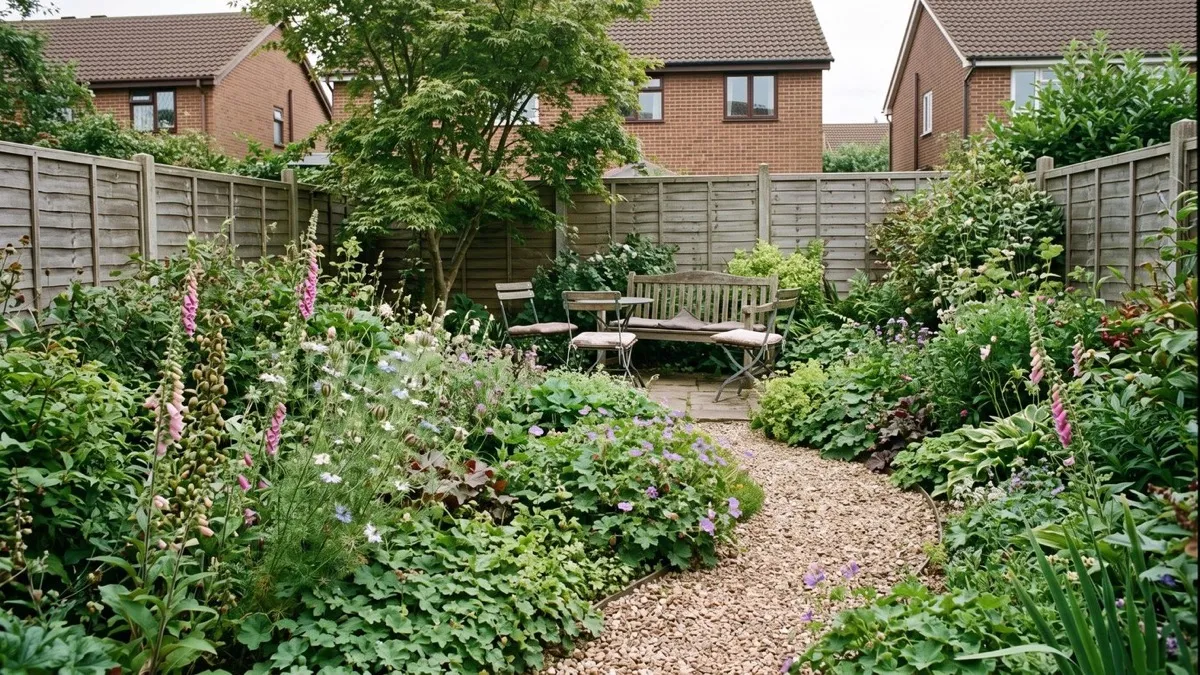
Nostalgia gardening is about growing the flowers and veg of past generations. Think sweet williams by the path, hollyhocks against the wall and tall peas scrambling up hazel sticks. It mixes cottage flowers with heritage veg, and it usually comes with saving your own seed.
It suits anyone who misses a grandparent’s garden, wants more flavour from their veg, or simply prefers a full, homely look to a minimalist one. This guide covers which plants to grow, where to find the seed, and how to keep it going year after year. For the wider picture of this year’s styles, see the round-up of garden design trends.
What is nostalgia gardening?
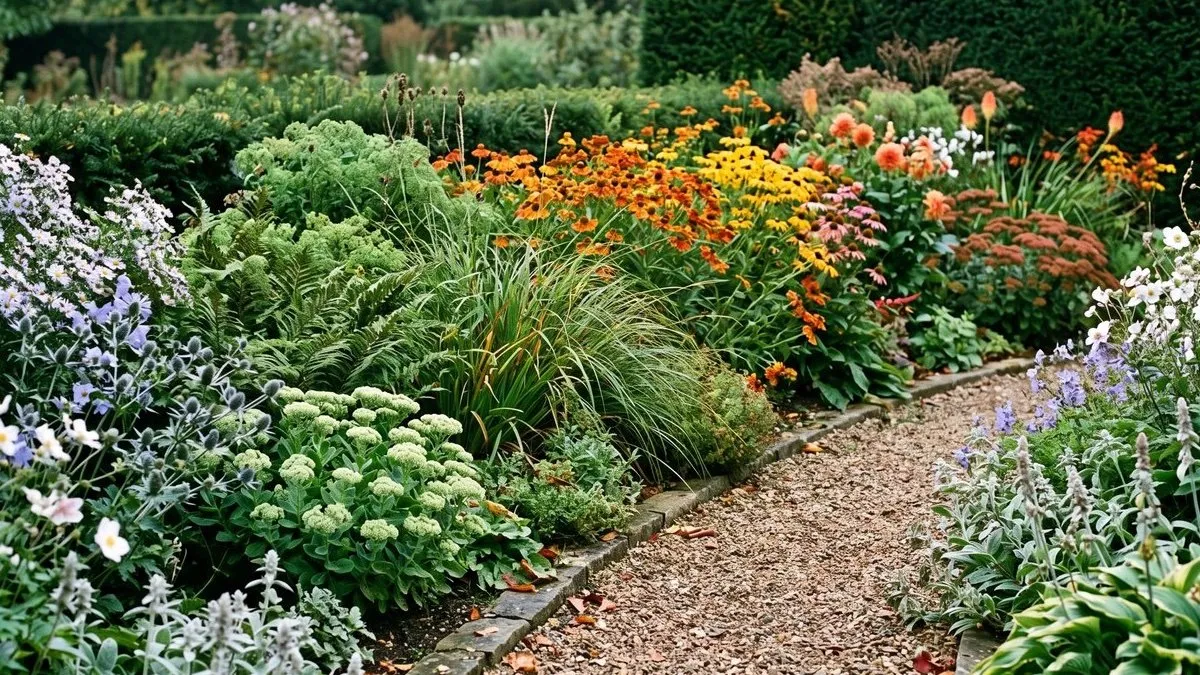
It’s growing the old favourites, in the old way. The look is a dense, mixed cottage garden with flowers, herbs and veg sharing the same space.
Heritage varieties sit at its heart. These are older, open-pollinated varieties, which means seed you save will grow into plants like the parent. Many fell out of the big catalogues but are still kept going by gardeners and small seed companies.
The other strands are simple: saving seed, reusing and mending tools, and using natural materials like hazel, willow and terracotta. If wartime growing interests you, the Dig for Victory lessons guide has more on how earlier generations fed themselves from small plots.

Sowing tall heritage peas with a bundle of hazel sticks ready to go. It’s a lovely job to share across the generations.
Which heritage vegetables should you grow?
Start with easy, forgiving varieties that taste good and are simple to save seed from. All of these are widely available from UK seed companies.
| Variety | Crop | Why grow it | Notes |
|---|---|---|---|
| Telephone | Tall pea | Big pods of sweet peas | Needs supports about 1.5-2m tall |
| Crimson Flowered | Broad bean | Pretty red flowers, good flavour | Cross-pollinates with other broad beans |
| Bedfordshire Champion | Onion | A long-standing storing onion | Dry well after lifting |
| Bull’s Blood | Beetroot | Deep red leaves and roots | Leaves are good in salads |
| Painted Lady | Runner bean | Red and white flowers | Crosses with other runner beans |
| Cherokee Trail of Tears | Climbing French bean | Black seeds, good dried | Easy to save, as it self-pollinates |
| Hollow Crown | Parsnip | Long, sweet roots | Use fresh seed each year |
| Brandywine | Tomato | Big pink fruit with lots of flavour | Best in a greenhouse |
Telephone is the classic tall pea. It needs proper support, so build a wigwam or a row of pea sticks before you sow. The guide to growing peas covers sowing and care.
Tall old varieties take up more room than modern dwarf types. Plan for that, and you’ll be rewarded with a long, steady harvest.

Peas, beetroot and onions fresh from the plot. Heritage veg is all about flavour, and you can save the seed too.
Which cottage flowers give the nostalgia look?
Sweet williams, hollyhocks, sweet peas and scented pinks are the backbone. Plant them close together in mixed drifts rather than neat rows.
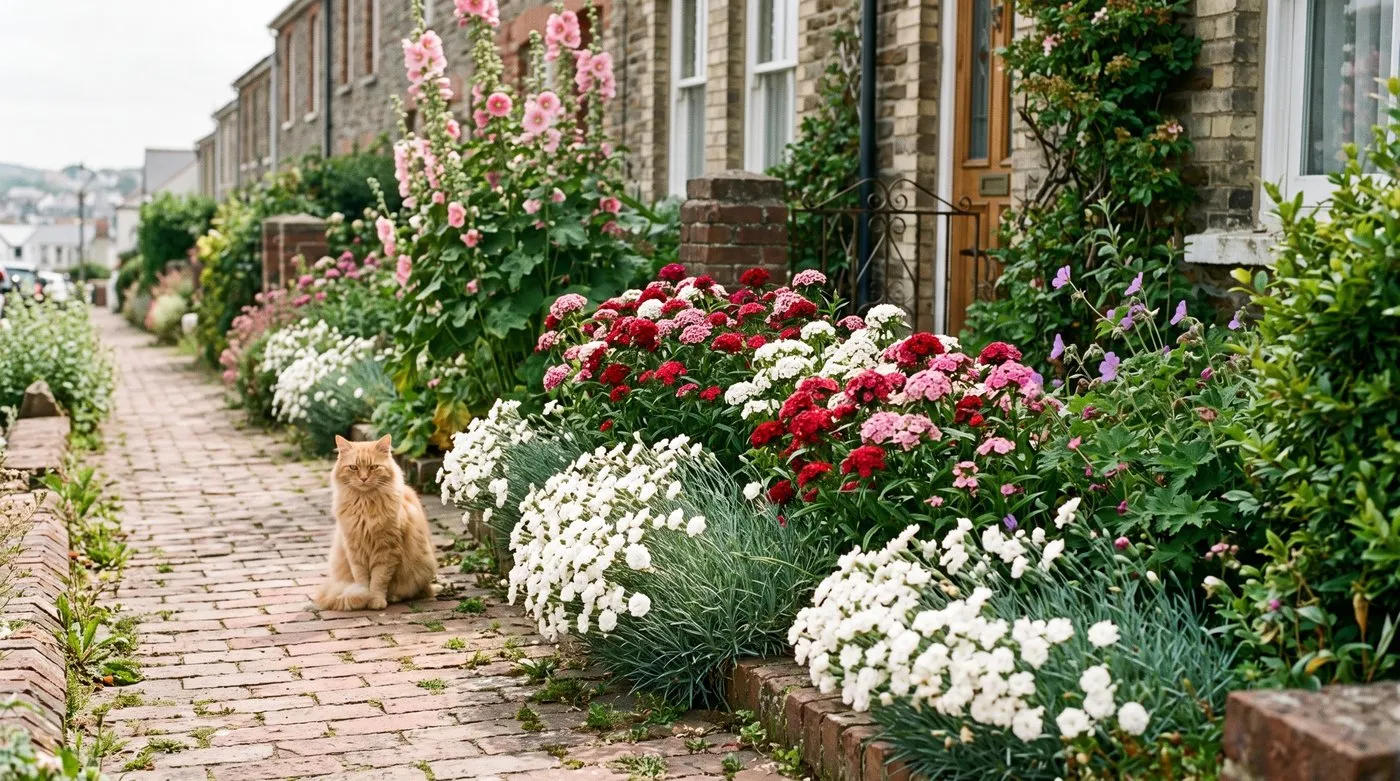
Sweet williams and scented pinks packed along a path give the classic grandma’s garden look.
- Sweet williams (Dianthus barbatus): biennials in red, pink and white. Sow in May or June to flower the following summer. The sweet william guide has the details.
- Hollyhocks (Alcea rosea): tall spires for a sunny wall or fence. Sow in summer to flower the next year.
- Sweet peas: scented climbers for cutting. Grow them up hazel or bamboo wigwams.
- Pinks: ‘Mrs Sinkins’ is an old variety with frilly, heavily scented white flowers. Use pinks along the front of a sunny border.
- Larkspur: an easy annual from seed, like a smaller, simpler delphinium.
- Nicotiana: tobacco plants with evening scent. N. sylvestris often self-seeds.
- Wallflowers and foxgloves: biennials for spring and early summer colour.
- Old shrub roses: scented, blowsy flowers that suit the style.
Mix biennials, perennials and annuals for a long display. Leave some flowers to set seed, and self-seeders will fill gaps for free.
Safety note: Sweet pea seeds, larkspur, foxgloves and nicotiana are poisonous if eaten. Keep seed away from small children and pets, and wash your hands after handling foxgloves.
Where to find heritage seed
Most UK seed companies now sell some heritage varieties. Look for open-pollinated or heritage on the packet, and avoid anything marked F1.
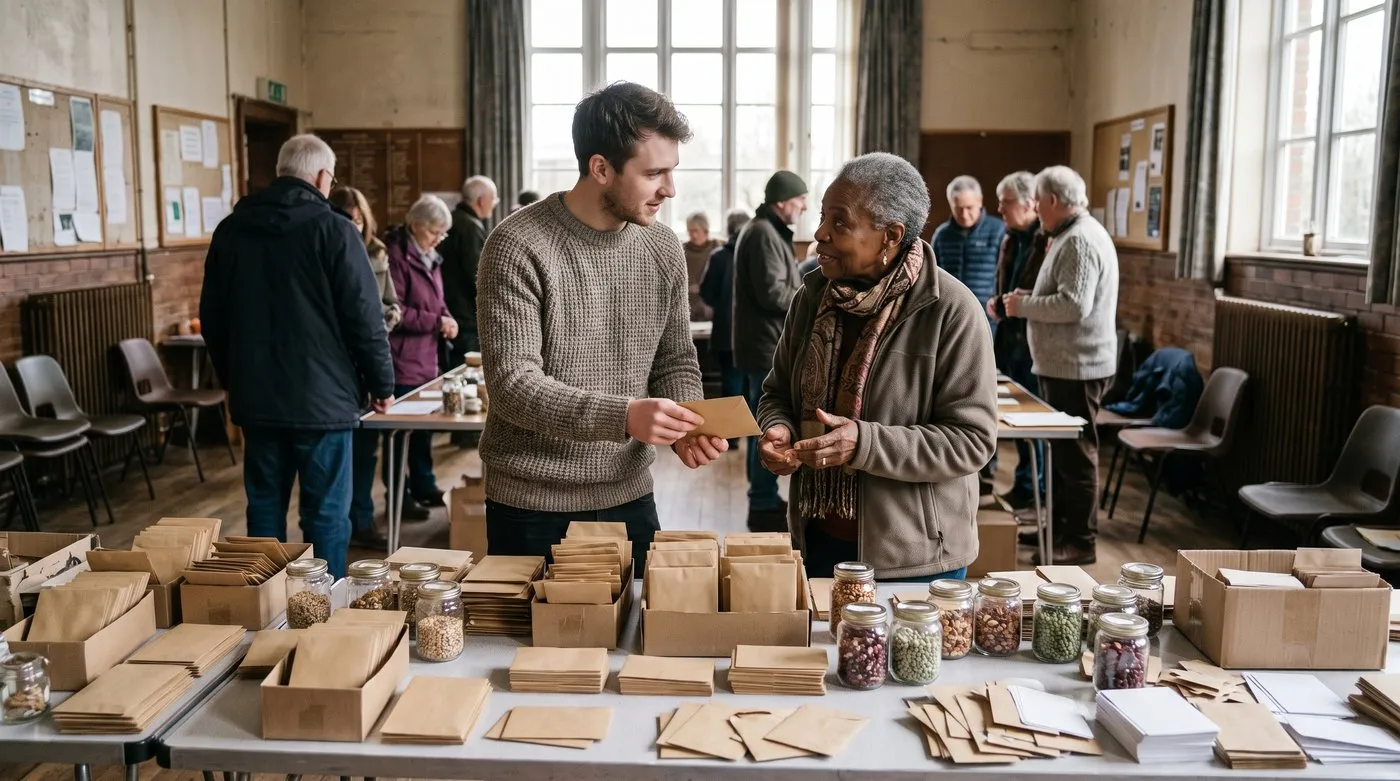
Seed swaps are a great place to find old local varieties, often with a story attached.
The Heritage Seed Library is run by the charity Garden Organic. It looks after old vegetable varieties that aren’t on the official list of varieties allowed for sale. Members can choose a few packets of seed each year. Some also grow rare varieties and send seed back to keep the collection going.
Seed swaps are another great source. Allotment societies and community groups often run them in late winter. You may find an old local variety someone’s family has grown for decades.
If you’re unsure what open-pollinated means, the guide to F1 hybrid vs open-pollinated seeds explains it simply.
How to save seed from heritage plants
Pick your best plants, let the seed ripen fully, then dry and store it. That’s the heart of nostalgia gardening, and it means you never have to buy those seeds again.
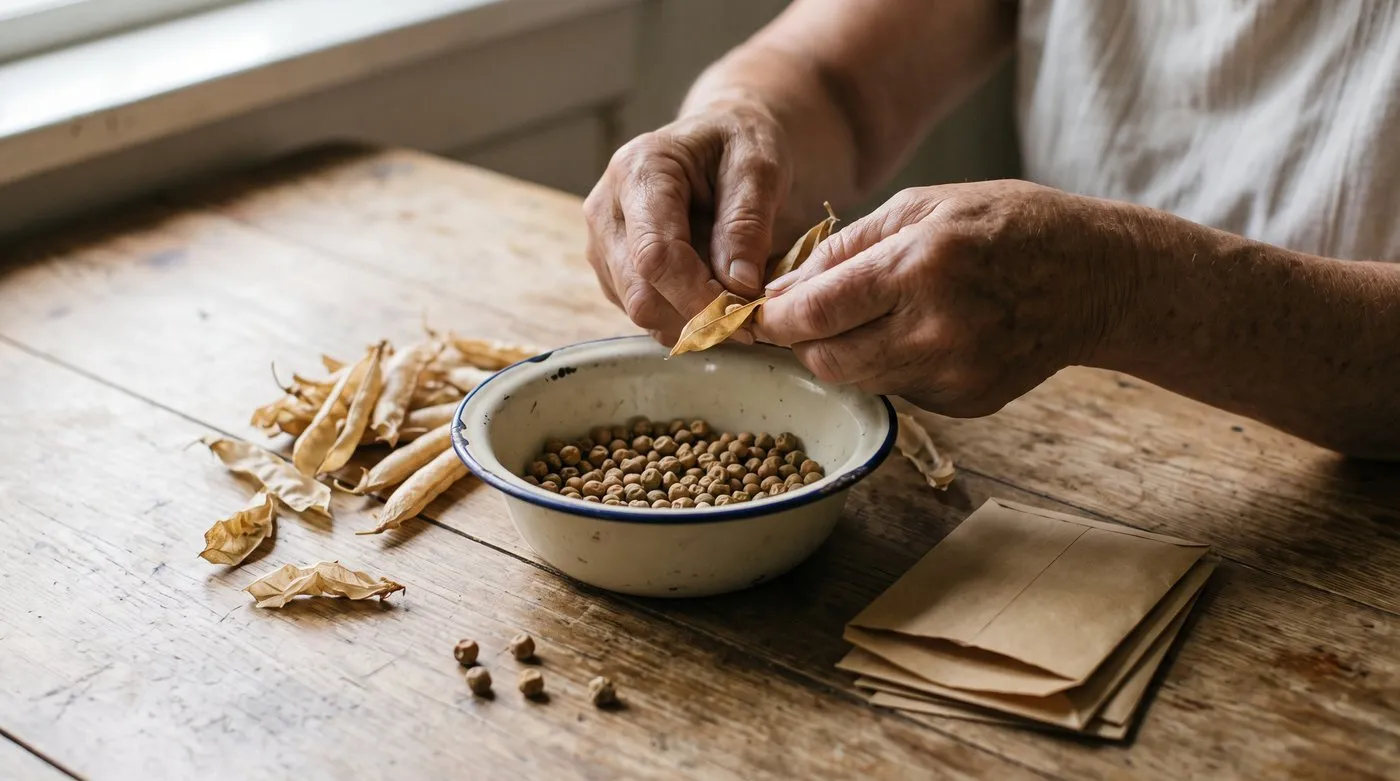
Wait until the pods are dry and rattling, then shell the peas and dry them for another week or two.
- Choose the best plants. Save from healthy plants that cropped well and tasted good. Tie a bit of string round them mid-season.
- Let seed ripen on the plant. Leave pea and bean pods until they’re dry and rattle. Flower seed heads should turn brown and papery.
- Dry it indoors. Spread the seed on a plate or newspaper in a dry, airy room for a week or two.
- Store it in paper. Put it in labelled paper envelopes with the variety and year. Keep them somewhere cool, dark and dry.
- Test old seed. Before sowing, put ten seeds on damp kitchen roll. If most sprout within a couple of weeks, it’s still good.
Easiest crops: peas, French beans, lettuce and tomatoes mostly pollinate themselves, so they come true without fuss. Trickier crops: broad beans, runner beans, squash and brassicas are cross-pollinated by insects. Grow only one variety of each, or save seed from a different crop. For peas and beans you want to keep for the kitchen too, see the guide to drying beans and peas.
Reusing and mending the old-fashioned way
The nostalgia style favours natural materials and tools that last. It’s thrifty and it looks right in a cottage garden.
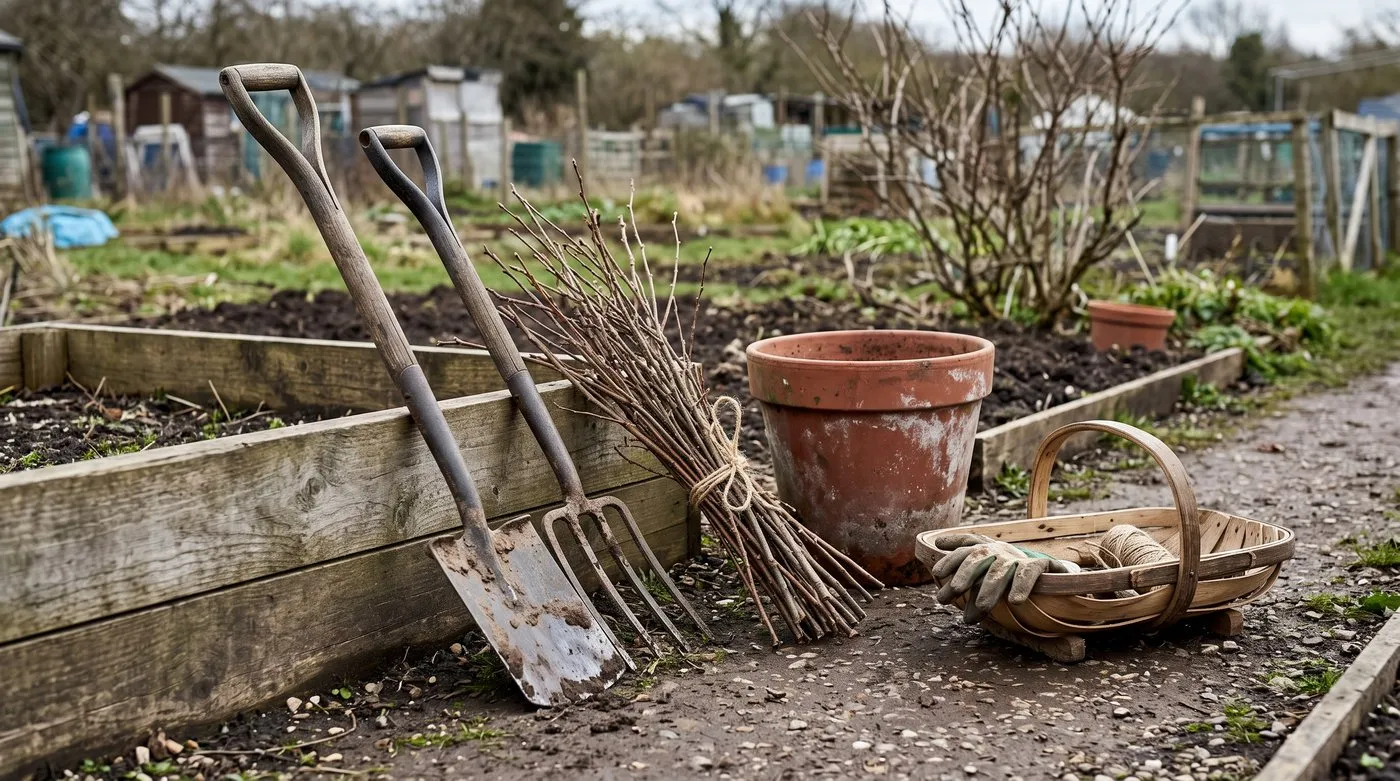
Old tools, hazel pea sticks and terracotta last for years and look right in a cottage plot.
- Hazel pea sticks instead of plastic netting. Ask a local coppice group or gardener with a hazel hedge.
- Old tools from car boot sales, cleaned up, sharpened and re-handled.
- Terracotta pots and forcing pots for rhubarb.
- Wooden labels or reused seed packets instead of plastic labels.
- Willow trugs and hessian sacks for harvesting.
How to plan a small nostalgia bed
Mix flowers and veg together in one bed rather than keeping them apart. Tall things at the back, scented flowers by the path, and no bare soil.
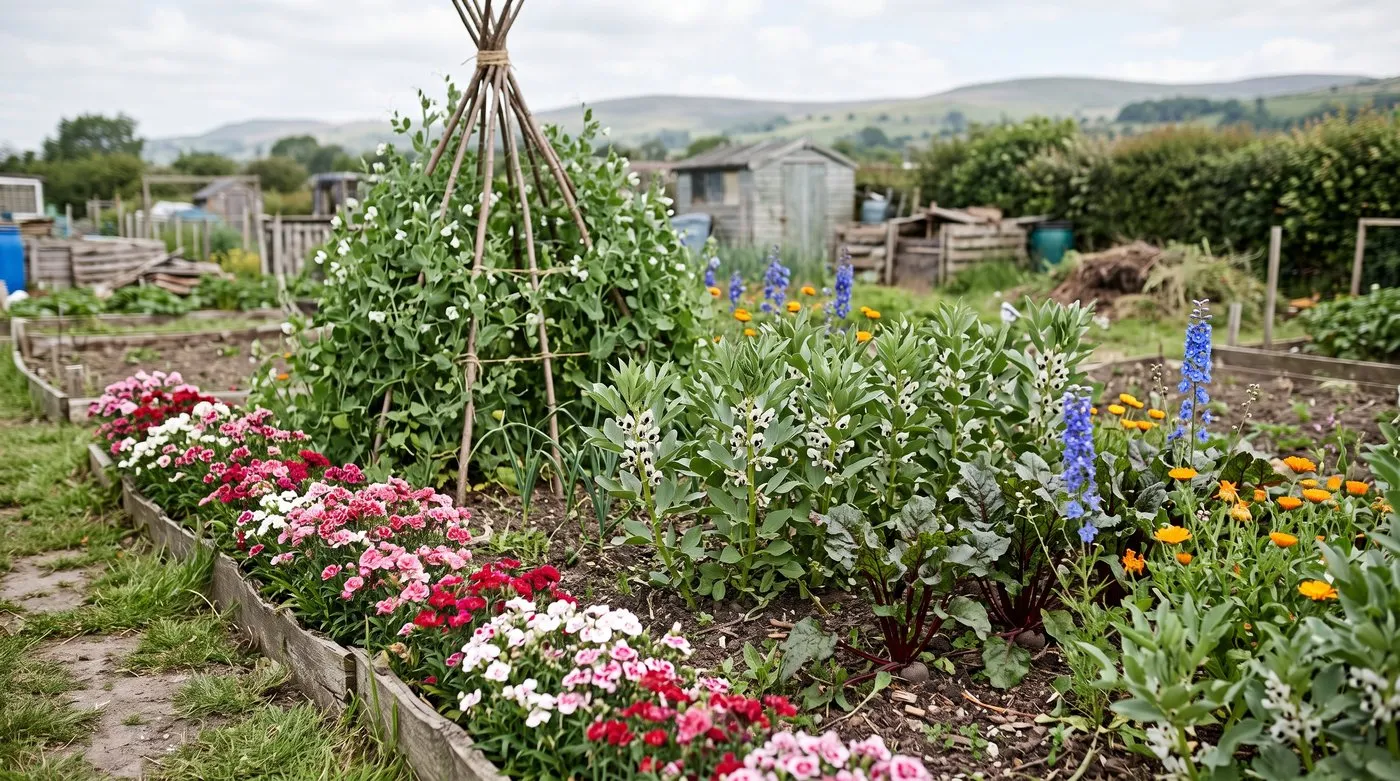
Tall peas at the back, veg in the middle and flowers along the edge. Mixing them is the whole point.
- Back: a wigwam of Telephone peas or Painted Lady runner beans, and hollyhocks against a sunny wall
- Middle: broad beans, onions and beetroot, with larkspur and nicotiana between them
- Front: sweet williams and pinks along the path edge
- Gaps: calendula and self-sown annuals
Cottage flowers bring in bees and hoverflies, which help pollinate beans and other crops. For a fuller flower plan, see the cottage garden planting plan.
Nostalgia garden calendar
| Month | Jobs |
|---|---|
| January | Order seed. Clean and sharpen old tools |
| February | Test saved seed. Chit seed potatoes |
| March | Sow broad beans and early peas outdoors in mild areas. Sow sweet peas |
| April | Sow peas, beetroot and parsnips outdoors. Sow larkspur where it is to flower |
| May | Sow runner and French beans after the last frost. Sow sweet williams |
| June | Sow hollyhocks and wallflowers for next year. Pick peas often |
| July | Save pea and broad bean seed from dry pods. Keep picking sweet peas |
| August | Lift and dry onions. Save tomato and flower seed |
| September | Plant out biennials. Collect seed from larkspur and nicotiana |
| October | Sow hardy annuals for early flowers. Mulch beds |
| November | Sow broad beans such as Aquadulce Claudia for an early crop. Plant garlic |
| December | Sort seed envelopes and plan next year |
Common mistakes with nostalgia gardening
- Saving seed from F1 hybrids. The next generation won’t match the parent. Check the packet.
- Skimping on supports. Tall heritage peas and beans need 1.5-2m supports, not short pea netting.
- Letting beans cross. Broad and runner beans cross easily. Grow one variety if you plan to save seed.
- Storing damp seed. Seed that isn’t fully dry goes mouldy. Never store it in sealed plastic while damp.
- Planting in neat blocks. The cottage look comes from mixing. A few of many things beats lots of one.
Frequently asked questions
What is nostalgia gardening?
It’s growing the flowers and veg your grandparents might have grown. That means cottage favourites like sweet williams, hollyhocks and sweet peas, plus heritage vegetable varieties. It often comes with saving your own seed, reusing old tools and mixing flowers and veg in the same bed.
Where can I get heritage seeds in the UK?
Many UK seed companies sell open-pollinated heritage varieties. Look for “open-pollinated” or “heritage” on the packet and avoid anything marked F1. Garden Organic’s Heritage Seed Library shares rare varieties with its members. Seed swaps and allotment societies are good places to find old local varieties too.
Are heirloom seeds better than F1 hybrids?
Not better, just different. Heirlooms can be saved and grown again, and many are chosen for flavour. F1 hybrids are often more uniform and some have bred-in disease resistance. Plenty of gardeners grow both, using heirlooms where they want to save seed.
What heritage veg should I grow first?
Start with Telephone peas, Crimson Flowered broad beans and Bull’s Blood beetroot. All three are easy in UK gardens and well suited to beginners. Peas are also among the simplest crops to save seed from. Leave tomatoes like Brandywine until you have a greenhouse or very warm spot.
Can I save seed from old garden plants?
Yes, if they are open-pollinated rather than F1 hybrids. Peas, French beans, lettuce and tomatoes are the easiest, as they mostly pollinate themselves. Let seed ripen fully on the plant, dry it indoors and store it in paper envelopes somewhere cool and dry.
Which flowers give the nostalgia look?
Sweet williams, hollyhocks, sweet peas, pinks and wallflowers. Add larkspur, foxgloves, nicotiana and old shrub roses. Plant them close together in mixed drifts, with veg and herbs tucked in between. The charm comes from abundance and variety, not neat rows.
Now you’ve picked your old favourites, read the guide to seed saving for beginners to keep them going year after year. There’s more inspiration in the garden design hub.
Our team produces practical UK gardening guidance from source research, contributor records and established horticultural practice. Editorial standards are overseen by Matt W.