Key takeaways
- Grow each root in a deep bore hole filled with a fine, sieved, stone-free mix
- Sow fresh seed every year, from February to March, two or three seeds per hole
- Thin to one seedling per hole and keep the mix evenly moist all summer
- Never add manure to the holes, as it makes parsnips fork
- Pick a canker-resistant variety such as Gladiator or Tender and True
- Lift by digging a trench alongside and washing the root free, never by pulling
Long show parsnips are grown in deep bore holes filled with a fine, stone-free mix. That gives the root a soft, straight path to follow, so it grows long with an even taper instead of forking. Parsnips need a longer season than carrots, so sowing starts early, and lifting needs real patience.
This guide covers preparing the holes, sowing, growing on, lifting without snapping the root, and staging. The bore-hole method is the same one used for long carrots for show, so skim that guide too. For everyday parsnips grown in the ground, see how to grow parsnips.
Why show parsnips need bore holes
A parsnip naturally grows one long tap root. In ordinary soil, though, every stone, clod or pocket of manure it meets can make it fork into several legs. Forked roots are no use on the show bench.
The bore-hole method solves this. You make a deep, narrow, cone-shaped hole and fill it with a finely sieved mix. The root follows that soft, stone-free column straight down. The soil around the hole matters less, because the root stays in the bore.
How to prepare the bores and mix
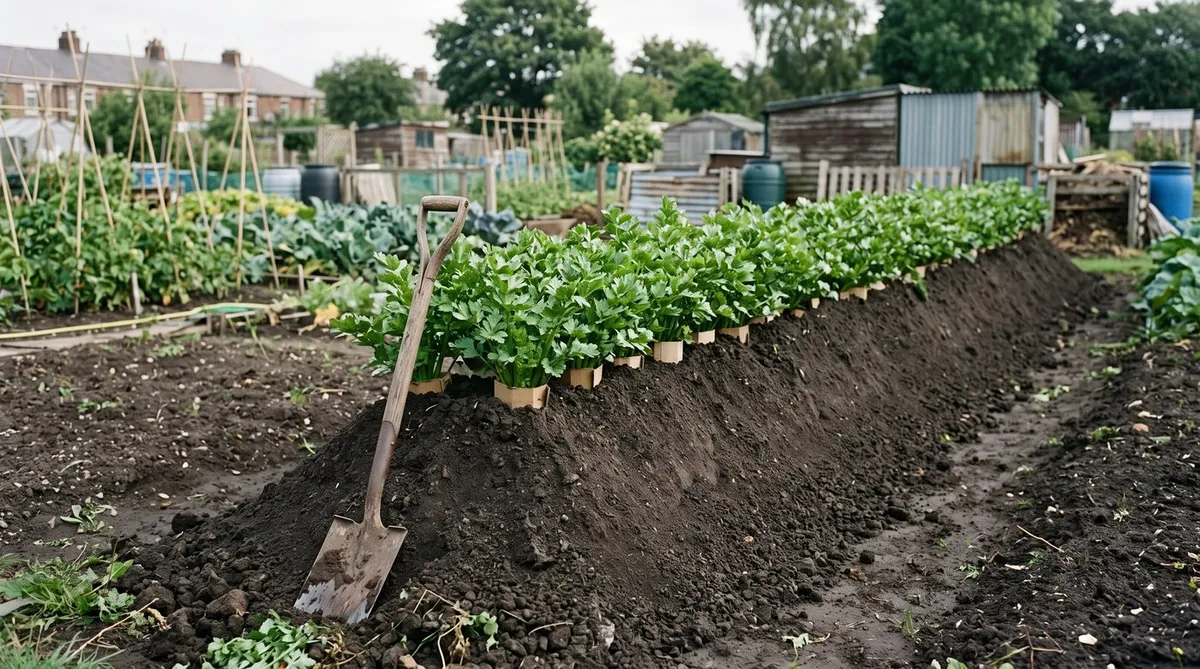
Make the bores in a deep raised bed or a large barrel filled with sharp sand or sandy soil. Drive a crowbar straight down and work it round to open a cone about a metre deep, wider at the top and narrowing to a point. Space the holes about 20-25cm apart.
For the mix, sieve sharp sand, good loam and peat-free compost through a fine riddle, so every stone and lump is gone. Exhibitors use their own recipes, often roughly equal parts, with a small dose of balanced general fertiliser. Fill each hole in stages, firming gently with a cane so there are no air pockets. Do this in winter so the mix settles before sowing.

Fill each hole through a funnel, a little at a time. A fine, stone-free mix is what keeps the root straight.
How to sow show parsnips
Sow from February to March, earlier than kitchen parsnips, so the roots have a long season to grow. Use fresh seed every year, as parsnip seed loses its oomph quickly.
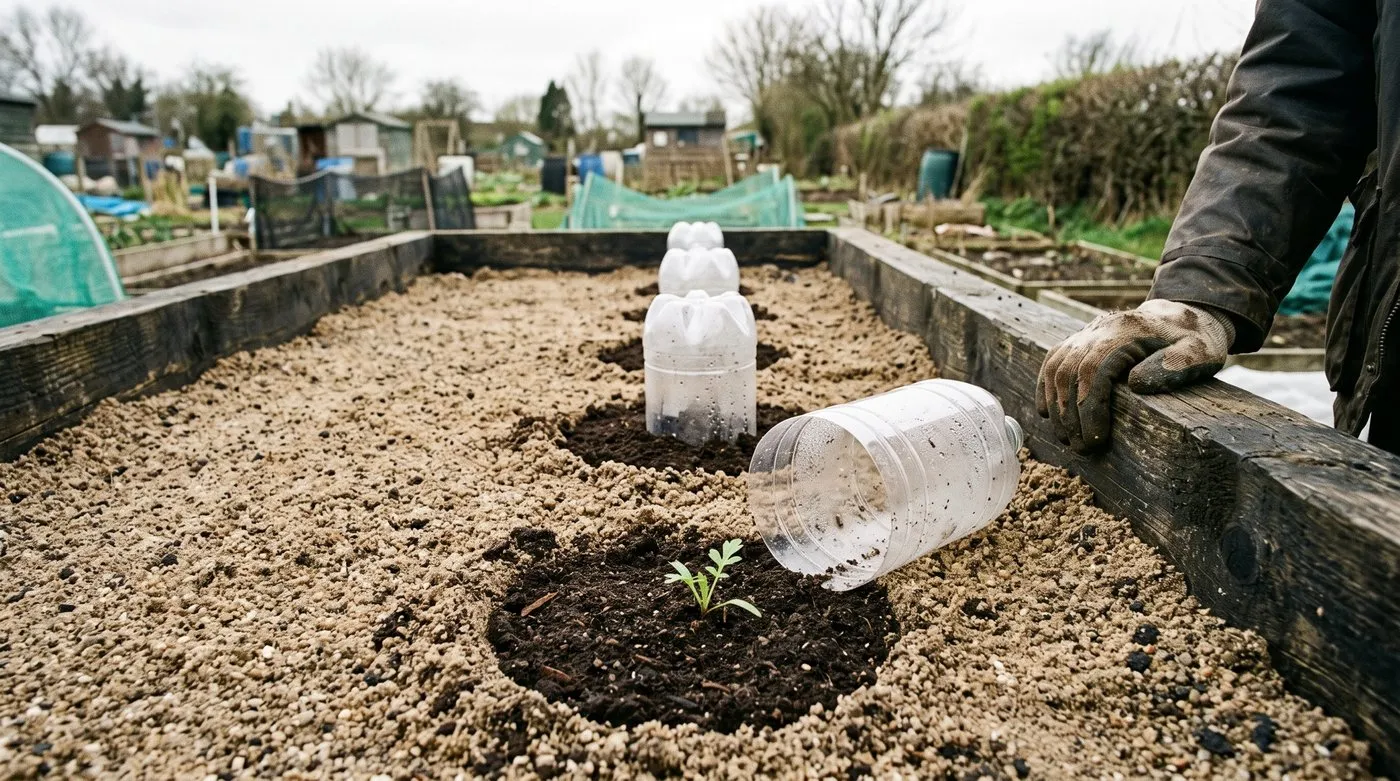
Thin to the single strongest seedling in each hole. Keep a cloche handy for cold spring nights.
- Make a shallow dip at the top of each filled hole
- Sow two or three seeds and cover lightly with sieved mix
- Water gently and cover with a cloche or upturned jar
- Wait patiently, as germination can take a few weeks in cold weather
- Thin to the single strongest seedling once they are up
Some growers pre-germinate seed on damp kitchen paper and sow only those that have sprouted. The guide to fluid sowing and pre-germination shows how. Watch for slugs, which can clear tiny seedlings overnight.
Watering, feeding and avoiding forks
Water steadily and evenly all season, so the mix never dries right out. A dry spell followed by a soaking can split the root. Mixes in barrels and raised beds dry fast in summer, so check often.
Go easy on feeding. Too much nitrogen gives coarse, whiskery roots. Never add manure to the holes. Grow parsnips on ground that was manured for an earlier crop, or improve the bed with garden compost instead.
Canker is the main disease: rough orange-brown or black patches on the shoulder. Choose a canker-resistant variety, keep watering even and avoid damaging the shoulders. Gladiator and Tender and True both have good canker resistance.

Stones or manure make the root fork into legs, like the one on the left. A clear, sieved column gives the single taper on the right.
Lifting long parsnips without breaking them
Lifting loses more show roots than any pest. A long parsnip is brittle and snaps if you pull it. Dig a deep trench alongside the row, then wash the mix away from the side of the root with a gentle hose. Once it’s free, ease it out sideways.
Lift a day or two before the show and keep the roots cool and damp. Hold them by the shoulders, never the tip. Wash them gently with a soft sponge and cool water. Never scrub, as marks show on the bench.

Wash the soil away from the side so the root comes free on its own. Pulling it up snaps the thin tip.
How to stage show parsnips
Stage the number of roots your schedule asks for, picking ones that match in length, thickness and colour. Trim the leaves to a short, neat tuft. Lay them with the tapers in line and shoulders level.
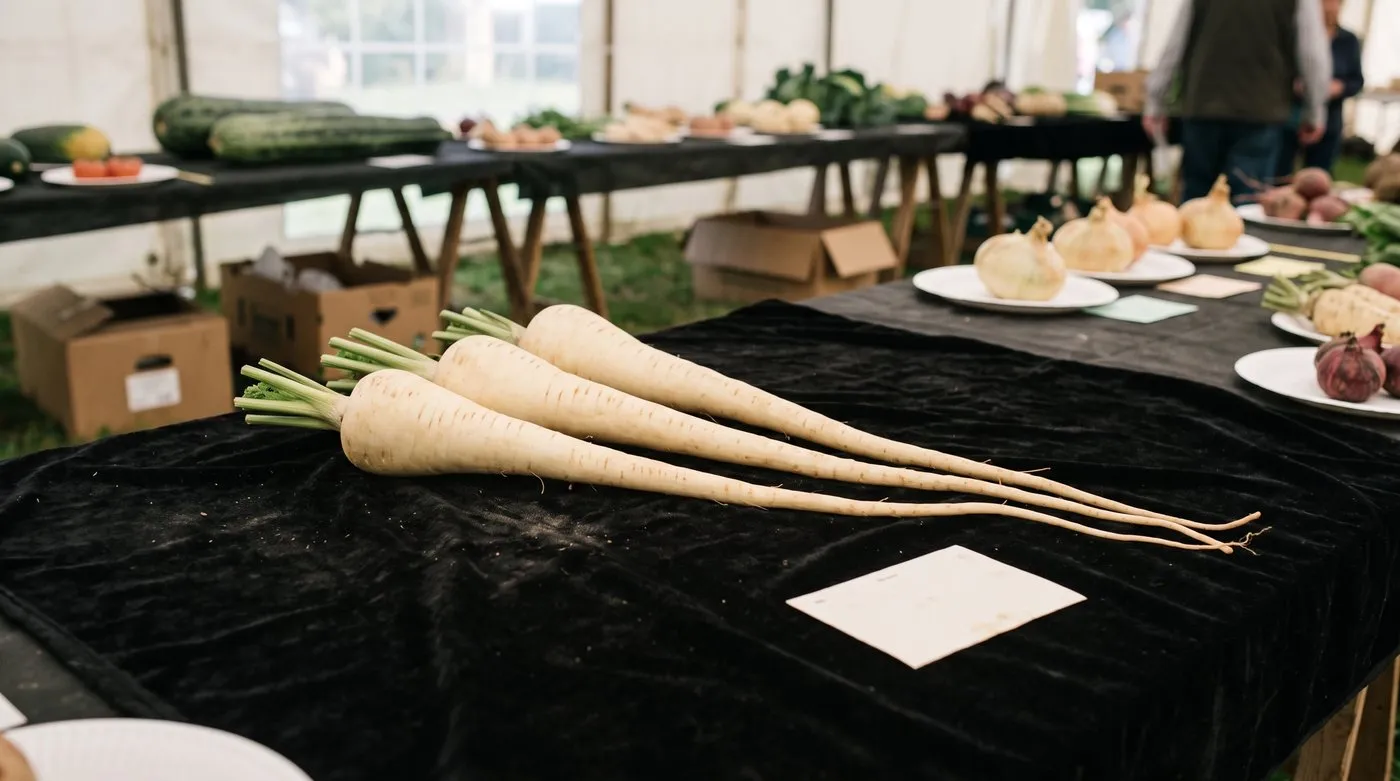
Pick roots that match in length, thickness and colour, and lay them with the tapers neatly in line.
Judges look for length, a clean, even taper, smooth shoulders and no forks or side whiskers. Points are lost for splits, canker, whiskery roots and a set that doesn’t match. The guide to how allotment show judging works explains more, and growing for your village veg show covers reading the schedule.
Show parsnip calendar
| Month | What to do |
|---|---|
| December to January | Bore the holes, sieve the mix and fill the columns |
| February to March | Sow fresh seed, two or three per hole, under cloches |
| April to May | Thin to one strong seedling per hole. Watch for slugs |
| June to August | Water evenly, feed lightly and keep weeds down |
| Late summer to autumn | Lift by trenching and washing out, then stage |
| After the show | Empty or rest the bed. Sow a green manure |
Common show parsnip mistakes
- Stones or manure in the hole. The biggest cause of forking. Sieve the mix and leave manure out.
- Old seed. Parsnip seed doesn’t keep. Buy fresh each year.
- Pulling roots up. The tip snaps. Trench alongside and wash them out.
- Too much nitrogen. It gives whiskery, coarse roots. Feed lightly.
- Letting the bores dry out. Dry then wet splits roots. Water evenly all season.
Give the bed a rest after the show under a green manure. Then try the pot leeks for show guide for another classic exhibition crop. There are more crops in the growing veg section.
Frequently asked questions
How do you grow long parsnips for show?
Grow them in deep bore holes filled with a fine, sieved mix. Make cone-shaped holes about a metre deep, fill them, sow fresh seed at the top and thin to one plant. The root follows the soft column straight down.
What is the bore-hole method for parsnips?
It means growing each root in a deep, narrow hole filled with fine compost. Make the hole with a crowbar in a deep bed of sand or sandy soil. The stone-free mix lets the root grow long and straight.
Why do parsnips fork or grow legs?
The growing tip has hit a stone, a lump or manure. The root then splits into several legs. A sieved, stone-free mix with no manure gives the root a clear run.
When should you sow parsnips for showing?
Sow from February to March, earlier than kitchen crops. Show roots need a long season. Use fresh seed every year, as parsnip seed doesn’t keep well. A cloche over the holes helps the slow germination in cold weather.
How do you lift a long show parsnip without breaking it?
Dig a deep trench alongside and wash the soil away. Then ease the root out sideways once it is free. Never pull it straight up, as the thin tip snaps easily.
What do judges look for in show parsnips?
Long, clean roots with an even taper and no forks or whiskers. Smooth, unmarked shoulders matter too. Marks go for splits, canker and roots that don’t match each other.
Our team produces practical UK gardening guidance from source research, contributor records and established horticultural practice. Editorial standards are overseen by Matt W.