Key takeaways
- Dog wee burns grass because of its strong dose of nitrogen
- Water the spot straight after your dog has been
- Hard-wearing ryegrass mixes cope best with dogs
- Reseed bare patches in spring or autumn
- Teaching your dog to use one toilet corner saves the rest of the lawn
- Never give a dog anything that changes its urine, says the PDSA
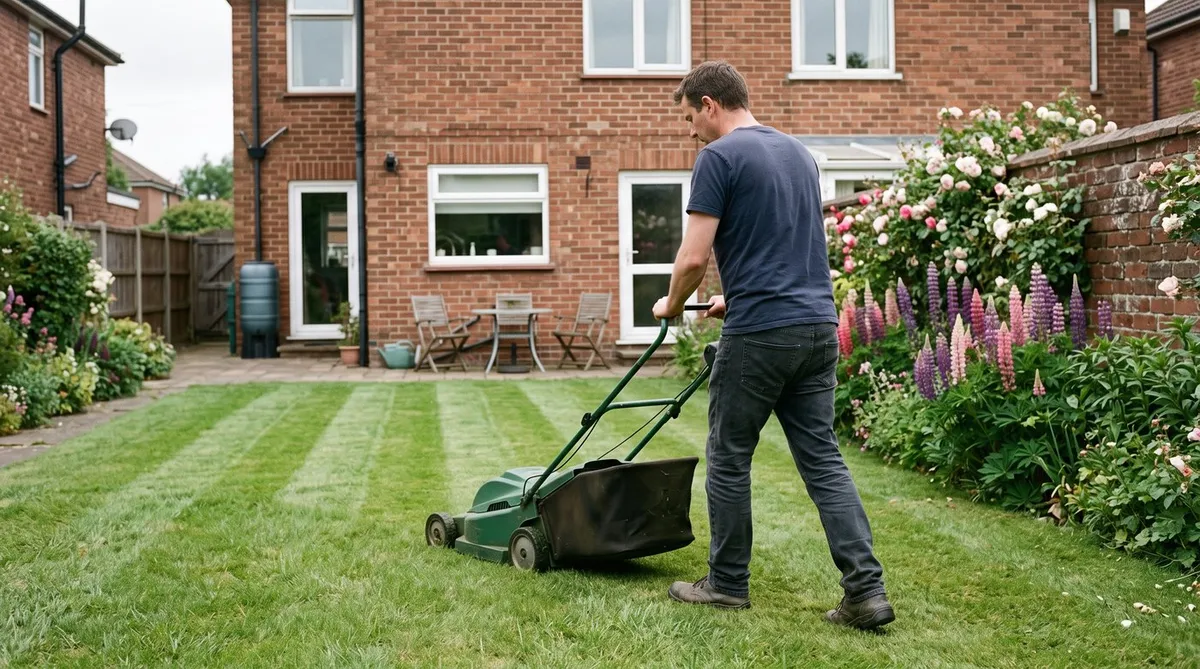
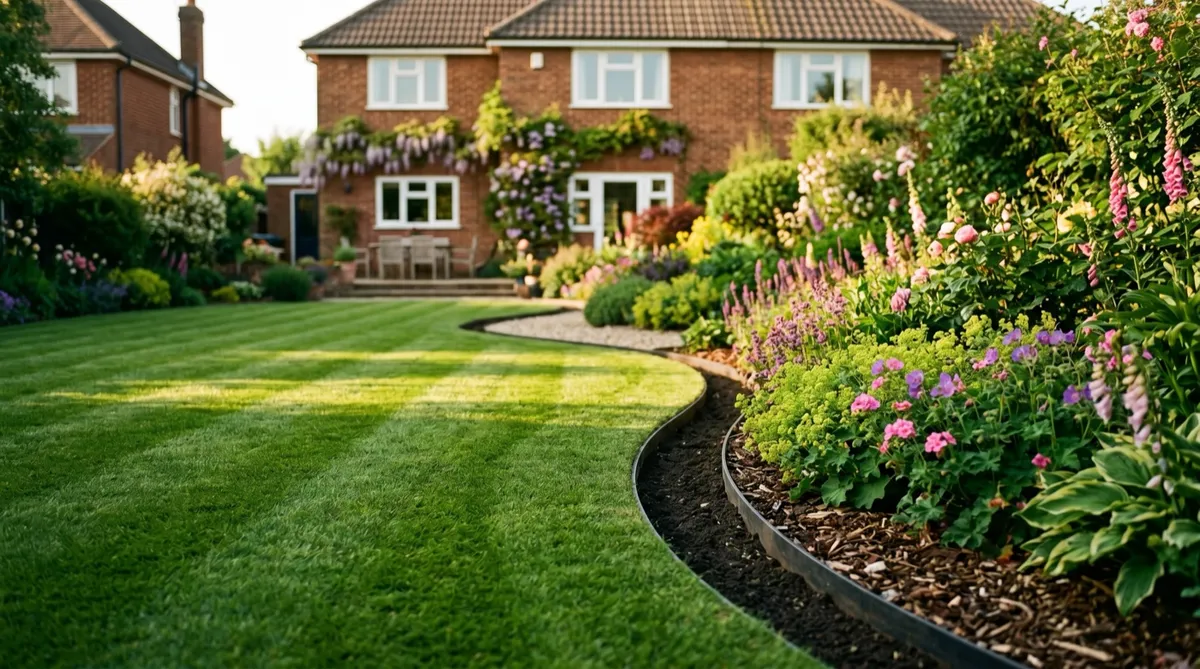
Yellow patches, muddy tracks and a bald strip by the back door: sound familiar? You can have green grass and a happy dog. It just takes the right seed, a quick repair routine and a little training.
If your lawn is already struggling, start with our guide on how to fix a patchy lawn, then come back for the dog-specific bits.
Why dog urine burns grass

Left: a yellow wee patch. Right: the same spot after watering and reseeding.
Dog wee burns grass because it drops too much nitrogen on one small spot. A little nitrogen feeds grass, which is why you often see a ring of dark green around a yellow patch. The middle got too much and the edge got just enough. It’s nothing to do with the wee being acidic, whatever you may have heard.
Female dogs tend to leave more patches, because they squat and empty their bladder in one place. Males usually cock a leg against something at the edge of the garden.
Handy tip: If the grass around a dead spot is greener than the rest of the lawn, it’s wee, not disease or drought.
How to repair dog urine patches

Rake out the dead grass, sprinkle seed and keep it moist.
Water the spot straight away, then reseed any patches that die. The sooner you act, the better.
Immediate treatment
Pour a watering can over the spot as soon as your dog has finished. This spreads the nitrogen out so it feeds the grass instead of burning it.
For patches you missed, scrape out the dead grass with a hand fork and loosen the top couple of centimetres of soil.
Reseeding bare patches

A hard-wearing ryegrass mix grows back quickest.
Reseeding is the surest fix for dead patches. Do it in spring or autumn when the weather is cool and damp. The RHS lawn repair guide has more detail.
- Rake out dead grass and loosen the soil
- Mix in a little topsoil or compost and firm it level
- Scatter seed evenly at the rate on the packet
- Cover lightly with topsoil or compost
- Water gently with a fine rose when it’s dry
- Keep your dog off until the new grass is settled
Ryegrass usually pops up in one to two weeks in mild weather, but it takes a while longer to toughen up. For bigger areas, see our guide to growing grass from seed.
When to consider re-turfing
If most of the lawn is bare, new turf is quicker than seed. Pick a hard-wearing turf, not a fine ornamental one. Our turf laying guide shows you how. Keep your dog off until the turf has rooted in.
Best grass seed mixes for dog owners
Buy a hard-wearing mix based on perennial ryegrass. “Luxury” or “ornamental” fine fescue mixes can’t cope with dogs.
Comparison of dog-tough grass species
| Grass | Copes with wear | Copes with shade | Copes with drought | Best for |
|---|---|---|---|---|
| Perennial ryegrass | Very well | Poorly | Fairly well | Main lawn, play areas |
| Tall fescue | Well | Fairly well | Very well | Hot, dry gardens |
| Smooth-stalked meadow grass | Well | Fairly well | Well | Filling gaps |
| Strong creeping red fescue | Fairly well | Well | Well | Shady areas |
| Chewings and other fine fescues | Poorly | Well | Fairly well | Avoid for dog lawns |
| White clover | Well | Poorly | Well | Mixed with ryegrass |
Choosing a mix
For most dog owners, a “hard-wearing” or “family and pet” mix is spot on. Ryegrass takes the wear and grows in fast. Smooth-stalked meadow grass helps fill gaps, and tall fescue helps on dry, sandy soil.
Under trees or beside fences, use a shade mix with more red fescue. Ryegrass sulks in low light.
Do dog rocks and urine supplements work?
It’s best to skip them. The PDSA advises against anything that changes your dog’s urine, as it can lead to infections and bladder stones. And since acidity isn’t the cause anyway, they’re aiming at the wrong thing.
Some products, like “dog rocks” for the water bowl, say they don’t change the urine. The PDSA vet advice on dog wee and grass is to check with your vet before trying one. Never add vinegar, tomato juice or baking soda to your dog’s food or water. Watering the spot and toilet training are the safe options.
Does drinking more water help?
Yes. A dog that drinks plenty makes weaker wee, so always leave out fresh water. Wet food may help a little too, though your dog may need to go more often. Don’t change your dog’s diet just for the lawn without asking your vet. If your dog is suddenly much thirstier than usual, mention it to your vet, as it can be a sign of illness.
Artificial grass vs real grass for dogs

Real grass or artificial turf? Both have their ups and downs with a dog.
Artificial grass ends wee patches and mud, but it costs more, needs cleaning and gets hot in summer.
Real and artificial grass compared
| Real grass | Artificial grass | |
|---|---|---|
| Cost to start | Low | High |
| Upkeep | Weekly mowing, feeding | Regular hosing and cleaning |
| Wee patches | Yes, needs repair | No, it drains through |
| Smell | Soil breaks it down | Can build up if not cleaned |
| Summer heat | Cool underfoot | Much hotter in strong sun |
| Wildlife | Good for insects and soil life | Little or none |
| Digging | Dogs can dig | Dogs can’t dig through |
| Mud | Yes, when wet | No |
When artificial grass makes sense
Artificial turf is best for small, busy spots. A little artificial toilet corner can save the rest of a real lawn. It also suits shady courtyards where grass won’t grow.
For a whole lawn, summer heat is the big downside, so make sure your dog has shade. It’s also plastic and does little for wildlife, so keep real grass if you can. For other green options, see our guide to lawn alternatives and ground cover.
Month-by-month lawn care calendar for dog owners
A dog lawn follows the same yearly rhythm as any lawn, with a few extras. In northern Scotland or on high ground, run a couple of weeks later. Our full lawn care calendar covers the basics.
| Month | Jobs for dog owners |
|---|---|
| January | Keep off frozen or soggy grass. Fix any fence gaps. |
| February | Clear up winter dog mess. Check for muddy runs. |
| March | First mow, on a high setting, once the grass is growing. |
| April | Good time to reseed patches. Start weekly mowing. Spring feed if needed. |
| May | See our lawn feeding guide. Mow weekly, or more if it’s growing fast. |
| June | Raise the mower to about 5cm. Keep watering wee spots. |
| July | Brown lawns in a drought usually green up when rain returns. Water new patches only. |
| August | Buy seed for autumn repairs. |
| September | Best reseeding time. Scarify and aerate muddy dog runs. |
| October | Autumn feed if needed. Last regular mow. |
| November | Final mow if still growing. Clear leaves. Clean the mower. |
| December | Keep off frosty grass. Plan paths and a toilet corner for spring. |
Handy tip: September is often the best month for repairs. The soil is still warm and autumn rain keeps new seed moist.
Training tips to protect your lawn
Teaching your dog to use one toilet spot is the cheapest way to save your lawn. No grass survives being the same loo every day.
Create a designated toilet area
Pick a corner and cover it with gravel, bark or a small piece of artificial turf. Take your dog there on a lead first thing and after meals, and reward them when they go. Never tell a dog off for going in the “wrong” place, as it can put them off going outside at all.
Gravel makes a great dog loo. It drains fast, smells less than bark and hoses clean. Lay it over weed membrane. Pet shops sell marker posts that encourage male dogs to use one spot. A short walk first thing in the morning also gives the lawn a break.
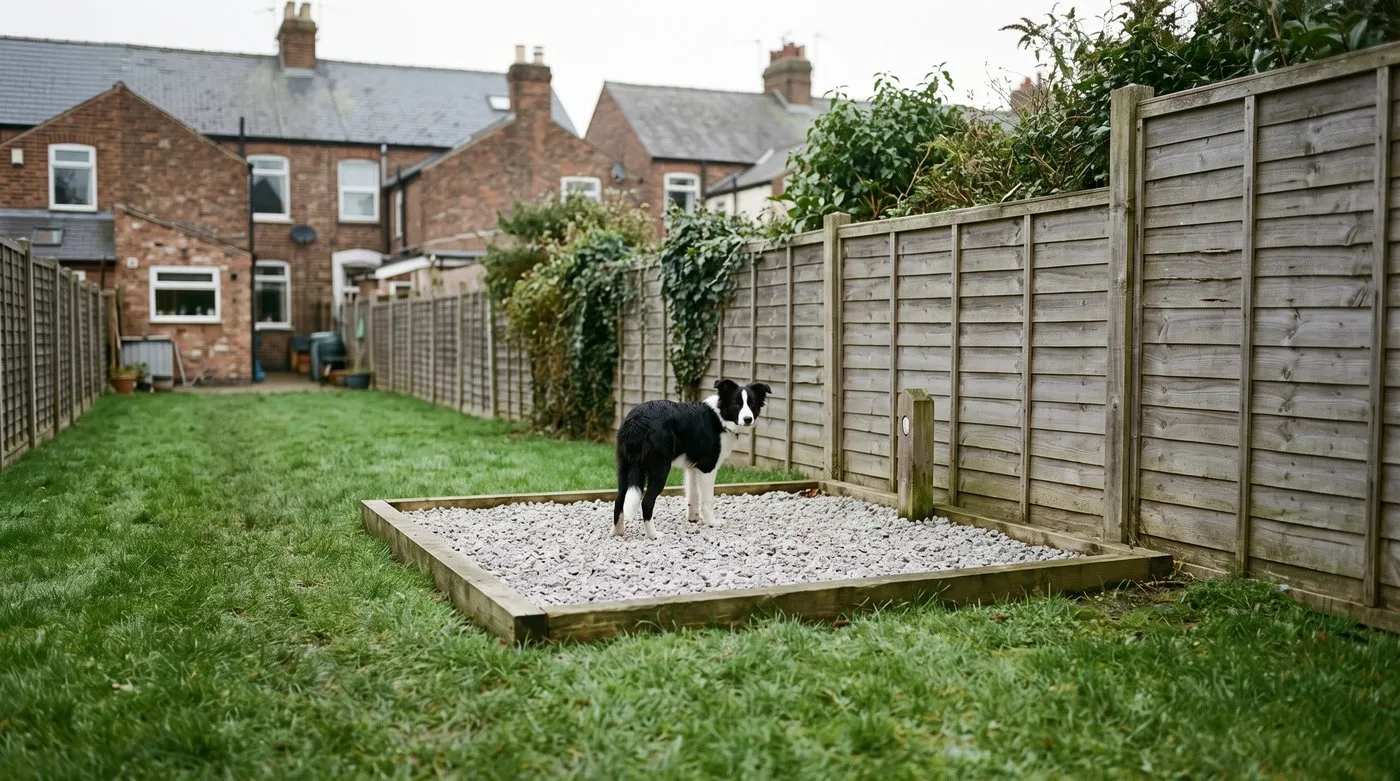
Gravel drains fast and hoses clean, which makes it a great dog loo. Lead your dog here after meals and reward them when they go.
Install paths in high-traffic zones
Dogs wear the same routes every day, like back door to fence, or a patrol along the boundary. By winter these are mud tracks.
Lay stepping stones or a narrow gravel path along them. The grass gets a rest and your dog gets firm footing.
How long should dogs stay off a treated lawn?
As long as the label says. Weed and moss killers must legally be used as the label directs, and lawn feeds give keep-off times for pets too.
Water granular feeds in well so no pellets are left for a dog to eat, and store bags and bottles out of reach. Don’t use slug pellets, which are toxic to pets. If your dog eats a garden product, call your vet straight away and take the packet with you. Canes and string make a quick fence around new seed or a treated area.
Hard-wearing lawn alternatives
If the lawn is beyond saving, or you’d like less work, swap some of it for something tougher.
Clover lawn
White clover (Trifolium repens) shows fewer wee patches than grass, because it makes its own nitrogen. It stays green in dry spells and needs less mowing. Bees love the flowers, so watch dogs that snap at them.
The downsides: it’s slippery when wet, can die back in a hard winter and stains clothes. A clover and ryegrass mix gives you a bit of both.
Chamomile lawn
Non-flowering chamomile (‘Treneague’) smells lovely when you walk on it. It can’t take a dog charging about, so keep it for small, quiet corners.
Bark mulch or wood chip
Bark is soft underfoot, drains well and hides mess. Top it up every year or two. Some dogs chew bigger pieces. Avoid cocoa shell mulch, as cocoa is toxic to dogs.
Common mistakes dog owners make with lawns
1. Choosing the wrong grass seed
Fine fescue “luxury” mixes grow slowly and thin out under paws. Buy a hard-wearing ryegrass mix.
2. Cutting grass too short
Short grass is weaker and slower to recover. Mow at about 4cm, and about 5cm in summer.
3. Ignoring compaction
Dogs pounding the same route squash the soil. It drains badly and turns to mud in winter. Each autumn, push a garden fork in about 10cm deep all over the worst spots.
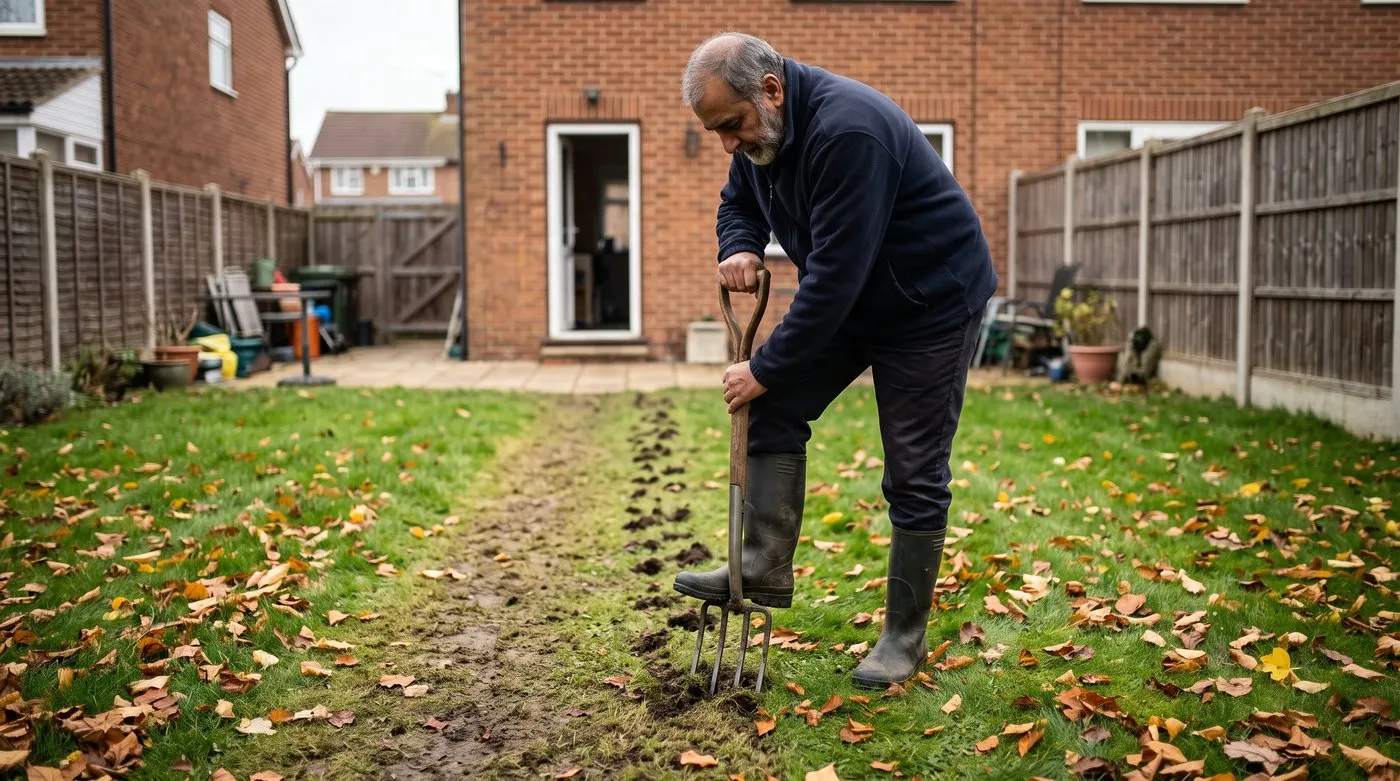
Dogs squash the soil along their favourite routes. A garden fork pushed in all over the worst spots each autumn helps water drain away so the grass can recover.
4. Over-fertilising on top of urine
Dog wee already adds nitrogen. Heavy feeding on top can scorch the grass. Feed at the label rate or a little less where your dog goes most.
Building a dog-friendly garden beyond the lawn
A good lawn is one part of a dog-friendly garden. Some common border plants are toxic to dogs, so check our guide to plants toxic to dogs.
For safer planting ideas, see pet-safe garden plants. Got cats too? Our cat-proof garden guide covers fencing, planting and deterrents.
Soil health and long-term lawn recovery
A lawn your dog uses every day needs a yearly airing and the odd reseed. Wee builds up in favourite spots and constant running squashes the soil.
Aerate packed areas each autumn and reseed thin patches in spring or autumn. On heavy clay, brush a little sandy topsoil into the holes after aerating to help drainage.
When to mow a dog-proof lawn
Mow weekly while the grass is growing, at about 4cm. Longer grass has deeper roots and copes better with wear and dry weather. Raise it to about 5cm in summer.
Mow from about March to October. In May and June you may need to mow more than once a week. Never take off more than a third of the height in one cut. Our mowing guide has more on timing.
Sharpen the mower blades each spring. Blunt blades tear the grass, and torn tips go brown.
With the lawn sorted, have a look at our guide to creating a dog-friendly garden for fencing, zoning and planting ideas.
Frequently asked questions
Does dog urine kill grass permanently?
Usually not. A single yellow patch often grows back from the roots, especially if you water it straight away. Wee in exactly the same spot day after day can kill the grass, but reseeding in spring or autumn fixes even bad patches.
What is the best grass seed for dog owners?
A hard-wearing perennial ryegrass mix. It grows in quickly and bounces back from wear. Skip “luxury” fine fescue mixes, which thin out fast under paws.
How do I stop dog urine burning my lawn?
Water the spot as soon as your dog has finished. For a lasting fix, teach your dog to use one toilet corner covered in gravel or artificial turf. The PDSA advises never giving your dog anything that changes its urine.
Is artificial grass safe for dogs?
Yes, lots of dog owners use it. Wee drains through and you’ll get no bare patches. Hose it down often so it doesn’t smell. It gets much hotter than real grass in strong sun, so give your dog shade or a cool patch of real grass too.
How often should I mow a dog-proof lawn?
Once a week while the grass is growing. Cut at about 4cm, as longer grass copes with wear and hides small patches. Never take off more than a third of the height in one go.
Can I use lawn feed on a lawn dogs use?
Yes, with a little care. Pick a feed that’s labelled for use around pets and keep your dog off for as long as the label says. Water granules in so none sit on top. Don’t overdo it, as dog wee already adds nitrogen.
Will clover survive dog urine better than grass?
Yes, clover tends to show fewer wee patches. White clover stays green in dry spells, feeds bees and needs less mowing. A clover and ryegrass mix makes a tough dog lawn. It can die back in a hard winter and gets slippery when wet.
Our team produces practical UK gardening guidance from source research, contributor records and established horticultural practice. Editorial standards are overseen by Matt W.