Key takeaways
- Thread-leaf coreopsis such as 'Moonbeam' and 'Zagreb' are the most reliable long-term choice
- Big-flowered grandiflora types are showy but often short-lived, so treat them as a bonus
- Plant in spring in full sun and free-draining soil, as winter wet kills more plants than cold
- Deadhead every week or so to keep flowers coming from June into autumn
- Divide clumps every three years or so in spring to keep them strong
Coreopsis, also called tickseed, gives you cheerful yellow daisies from early summer into autumn. The key is choosing the right type. Thread-leaf coreopsis such as ‘Zagreb’ and ‘Moonbeam’ come back year after year. Big-flowered types put on a dazzling show but often fade out after a few seasons. Plant in full sun and free-draining soil, deadhead often, and it’ll flower for months.
This guide explains which coreopsis to choose, how to plant it so it survives winter, and how to keep the flowers coming. If you’re after other tough perennials for sunny borders, coreopsis looks great with yarrow, which likes the same conditions.
Which coreopsis should I grow?
For a plant that comes back every year, choose thread-leaf coreopsis (Coreopsis verticillata). For a big splash of colour, enjoy grandiflora types but expect to replace them. Annual coreopsis is a quick filler from seed.
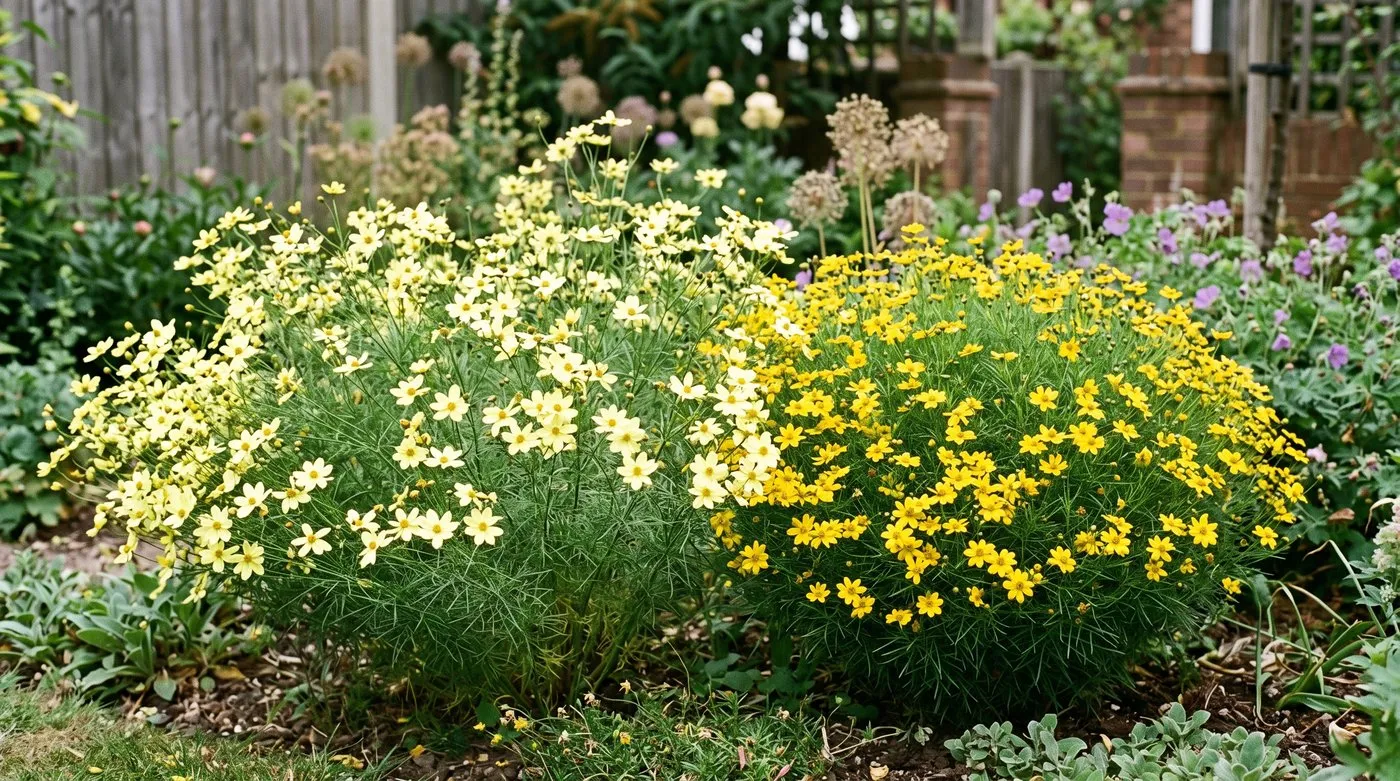
‘Moonbeam’ (left) is soft lemon and ‘Zagreb’ (right) is bright gold. Both come back year after year.
Thread-leaf coreopsis
These have fine, feathery leaves and a cloud of small, starry flowers. Plants spread slowly into neat clumps and are the most reliable in UK gardens. ‘Moonbeam’ has soft, pale lemon flowers that sit well with almost any colour. ‘Zagreb’ is more compact, with bright golden flowers.
Grandiflora coreopsis
These have bigger, bolder flowers, sometimes semi-double or with a red eye. The display is brilliant, but plants often last only a few years, especially on heavy or wet soil. Popular ones include ‘Early Sunrise’ and ‘Sunfire’.
Annual coreopsis
Coreopsis tinctoria is a hardy annual with yellow, red and mahogany flowers, often with a dark centre. Sow it direct in spring, like calendula. It fills gaps while perennials settle in.
| Variety | Type | Height | Flowers | How long it lasts |
|---|---|---|---|---|
| ’Moonbeam’ | Thread-leaf | About 50cm | Pale lemon | Many years |
| ’Zagreb’ | Thread-leaf | About 40cm | Golden yellow | Many years |
| ’Route 66’ | Thread-leaf | About 45cm | Yellow with a red centre | Several years |
| ’Early Sunrise’ | Grandiflora | About 45cm | Gold, semi-double | Often a few years |
| ’Sunfire’ | Grandiflora | About 40cm | Gold with a red eye | Often a few years |
| C. tinctoria | Annual | 30-60cm | Yellow, red and mahogany | One summer |
Where to plant coreopsis
Coreopsis needs full sun and free-draining soil. Those two things matter more than anything else.
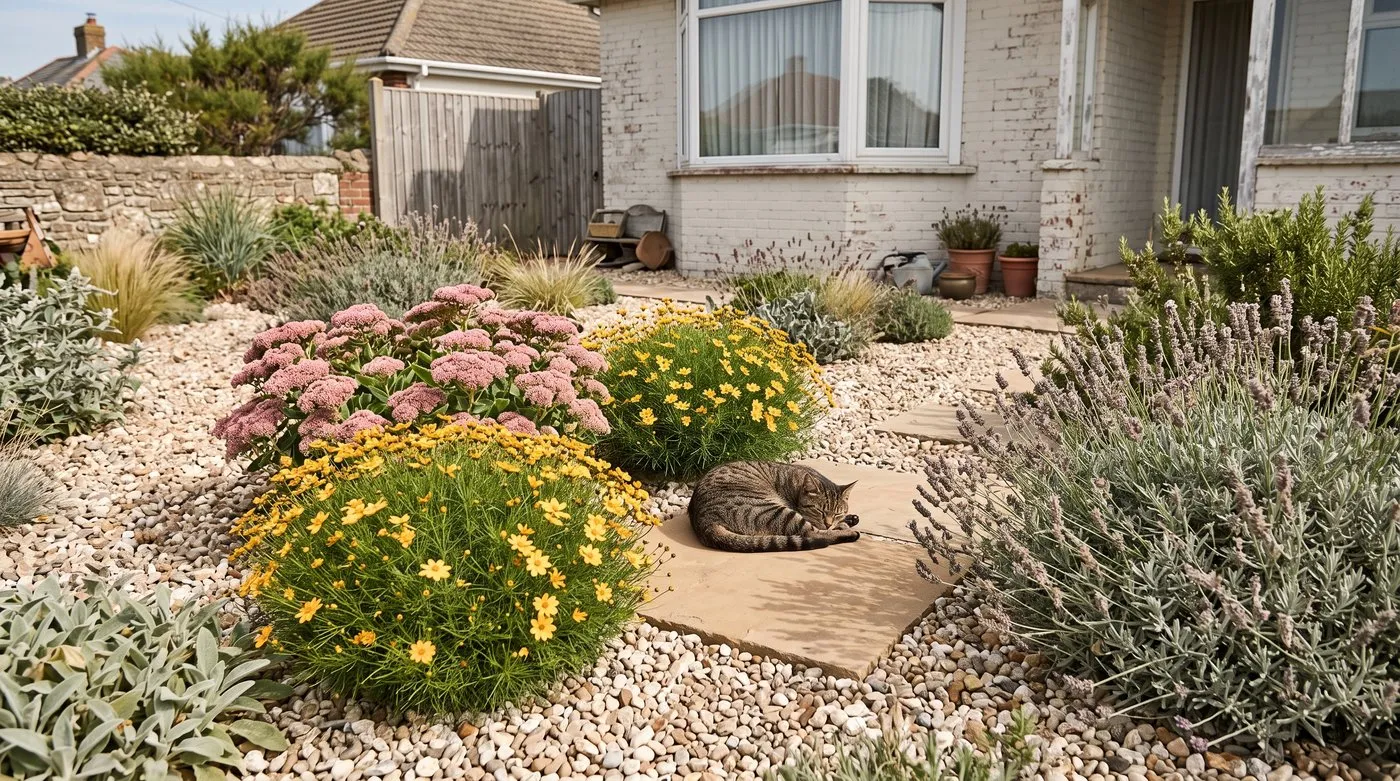
Sun and sharp drainage are what coreopsis loves most, which makes a gravel garden ideal.
- Sun: the sunniest spot you have. In shade, stems stretch and flowering drops.
- Soil: sandy, gravelly and chalky soils suit it well. It dislikes heavy clay that stays wet in winter.
- Spacing: plant thread-leaf types 40-50cm apart, as they spread. Grandiflora types can go 30-40cm apart.
On clay, add plenty of grit, plant on a slight mound, or grow coreopsis in a raised bed or pot. It’s a natural choice for a gravel garden. Our guide to creating a gravel garden shows how to build one.
How to plant coreopsis
Plant pot-grown coreopsis in spring, from April to June. That gives the roots all summer to settle before winter. Avoid autumn planting on heavy soil.

Keep the crown level with the soil and mulch with gravel so it stays dry over winter.
- Dig a hole twice the width of the pot and the same depth.
- Mix a few handfuls of grit into the soil you’ve dug out.
- Set the plant so the crown sits level with the soil, not below it.
- Backfill, firm gently and water well.
- Mulch around the crown with gravel or grit rather than compost or bark.
A gravel mulch keeps the crown dry over winter, which is when coreopsis is most at risk.
Growing coreopsis from seed
Sow coreopsis indoors in March or April, at about 15-20°C.
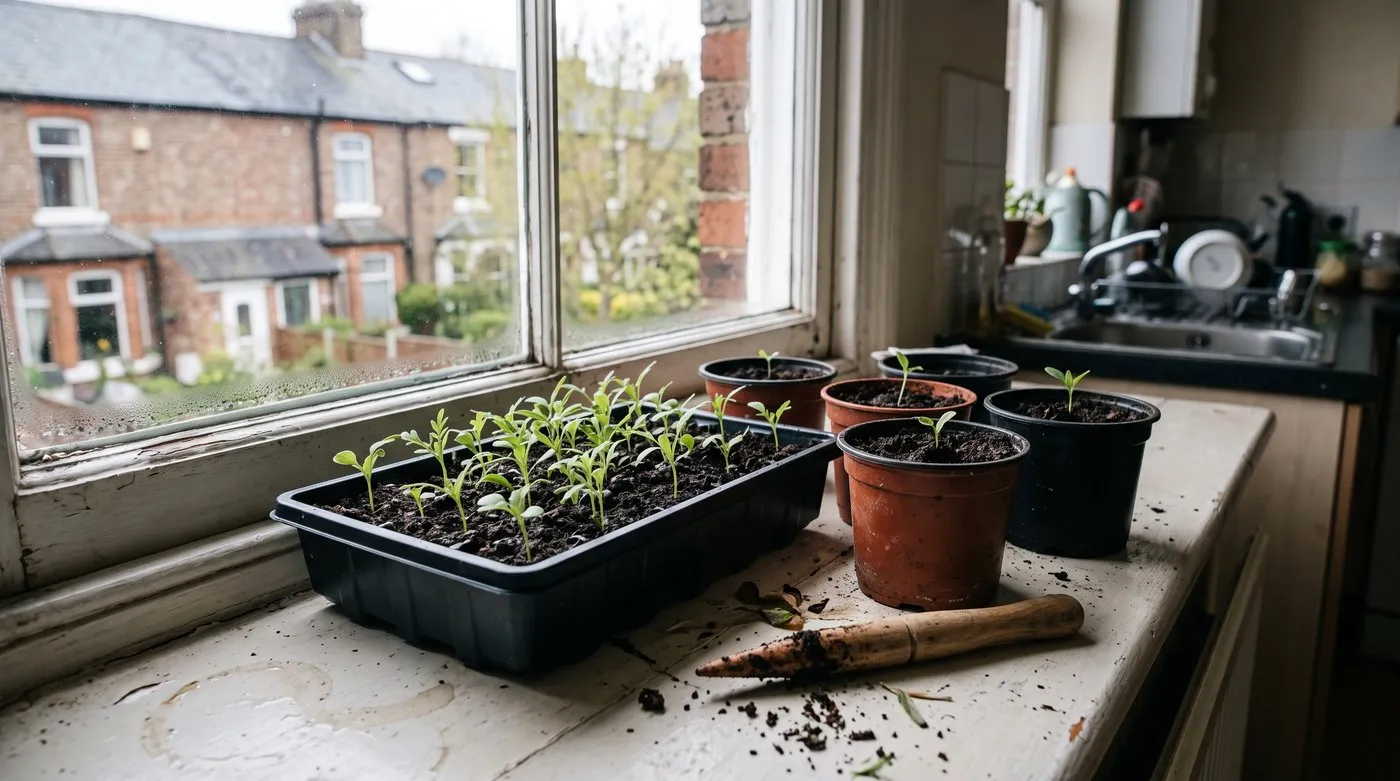
Seed-raised coreopsis often flowers in its first summer if sown in March or April.
- Fill a tray with moist seed compost.
- Scatter the seed on the surface and press it in lightly. Cover only very thinly, if at all.
- Seedlings usually appear within a few weeks.
- Prick them out into 9cm pots once they’re big enough to handle.
- Harden off and plant out after the last frost, in late May.
Seed-raised plants often flower in their first summer. Named varieties like ‘Moonbeam’ and ‘Zagreb’ don’t come true from seed, so buy plants or divide clumps instead.
Caring for coreopsis through the year
Coreopsis is easy-going once settled. Deadheading, very little feeding and good drainage are all it needs.
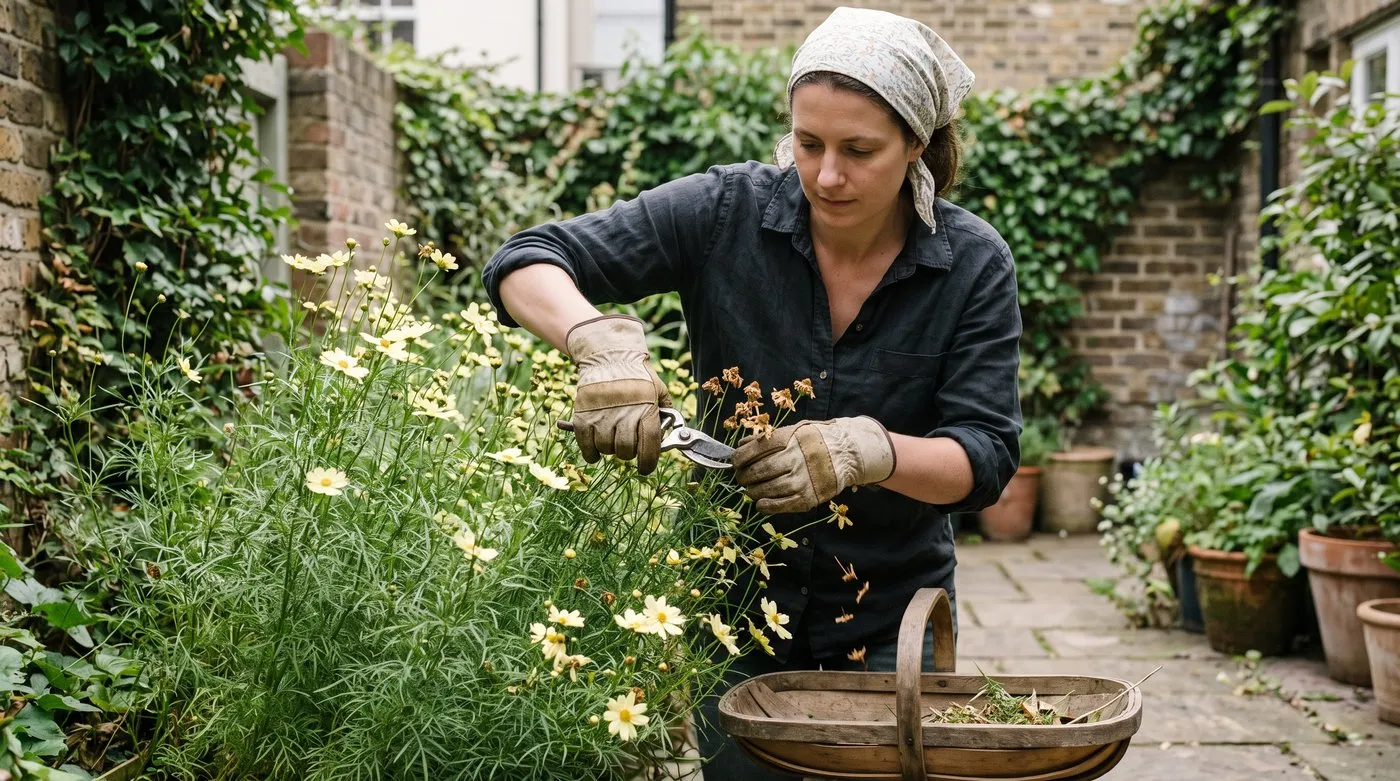
A quick trim of faded flowers keeps thread-leaf coreopsis blooming into autumn.
Deadheading is the key to a long season. Snip off faded flowers every week or so and more buds keep coming. On thread-leaf types, which have masses of tiny flowers, give the whole plant a light trim with shears when most flowers have faded. It soon reflowers. Our guide to deadheading flowers shows the easy way.
Watering: established plants in the ground rarely need watering. Water in long dry spells and keep new plants and pots watered.
Feeding: go easy. Rich feeding gives soft, floppy growth. A little general fertiliser in spring is plenty on most soils.
Winter: cut dead stems down in late autumn or early spring. On heavy soil, top up the gravel mulch around the crown.
Gardener’s tip: Leave a few seed heads on in autumn. Finches enjoy picking at them, and they add a bit of winter structure.
How to divide coreopsis
Divide coreopsis every three years or so, in March or April as new growth appears. Clumps that aren’t divided tend to die out in the middle.
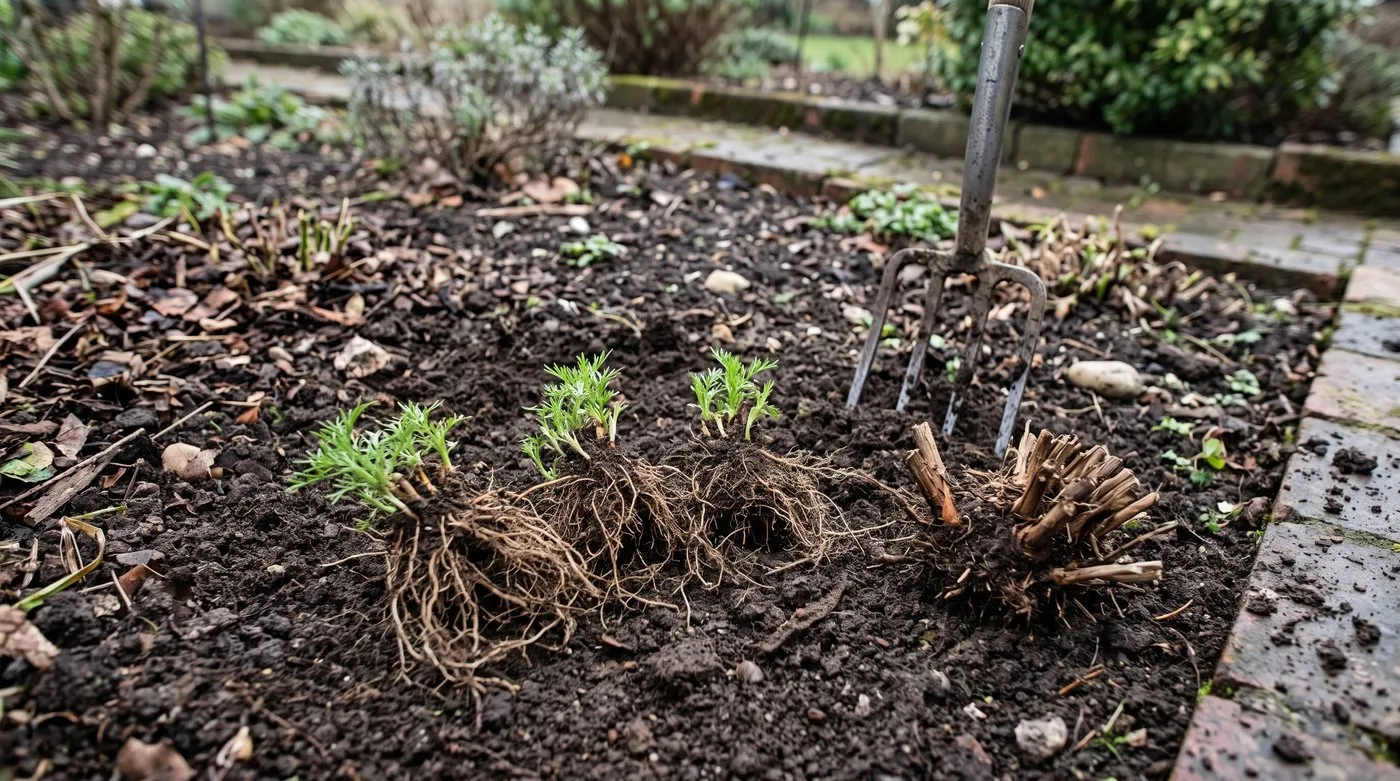
Replant the young outer pieces and throw away the tired woody middle.
- Lift the whole clump with a fork.
- Pull it apart by hand, or cut it with a spade or knife, into pieces with roots and shoots.
- Throw away the woody centre.
- Replant the young outer pieces at the same depth, with a little grit.
- Water well and keep them watered in dry weather.
Divisions usually flower the same summer, just a little lighter. Dividing grandiflora types more often can help them last longer.
What to plant with coreopsis
Coreopsis fits several styles of planting.
- Prairie-style borders: mix it with grasses, echinacea and salvias. The fine foliage of ‘Moonbeam’ weaves between grass stems beautifully. Our guide to prairie planting shows how, and growing echinacea covers a perfect partner.
- Gravel gardens: compact ‘Zagreb’ sits well with sedums, lavender and dianthus.
- Mixed borders: ‘Moonbeam’ bridges the middle of a border in midsummer.
- Pots: compact types grow well in a large pot of gritty compost in full sun.
For contrast, the steel-blue globes in our guide to growing echinops look striking beside golden coreopsis.
Common coreopsis problems
- Plants vanish over winter: usually waterlogged soil. Improve drainage, use a gravel mulch, and choose thread-leaf types.
- Grandiflora types dying after a few years: that’s their nature. Take divisions or sow fresh seed to replace them.
- Slugs: they go for young plants and new divisions in spring. Check plants on damp evenings and protect them until they’re growing strongly.
- Aphids: greenfly sometimes cluster on shoot tips. Rinse them off with water or leave them for ladybirds and hoverflies.
- Flopping: too much shade or too rich a soil. Move plants to more sun and stop feeding.
Common mistakes with coreopsis
- Planting in heavy, wet soil. Add grit or choose a raised bed.
- Expecting grandiflora types to last for ever. Enjoy them, then replace them.
- Mulching the crown with compost. It holds water against the plant. Use gravel instead.
- Forgetting to deadhead. Flowering slows down once plants set seed.
- Never dividing. Clumps go bare in the middle. Divide every few years.
Coreopsis calendar
| Month | What to do |
|---|---|
| March | Sow seed indoors. Divide established clumps |
| April | Divide and plant. Light feed |
| May | Plant out seedlings after the last frost. Watch for slugs |
| June | First flowers. Start deadheading |
| July to August | Peak flowering. Deadhead weekly or trim thread-leaf types |
| September | Flowers continue. Leave some seed heads for birds |
| October to November | Cut back dead stems, or leave until spring |
| December to February | Check gravel mulch on heavy soil. Plan new plantings |
Frequently asked questions
Is coreopsis a perennial in the UK?
Most are, but some live much longer than others. Thread-leaf coreopsis (C. verticillata) is hardy and long-lived. Big-flowered grandiflora types are often short-lived, especially on wet soil. Annual coreopsis is sown fresh each year.
What is the best coreopsis for UK gardens?
Thread-leaf types like ‘Zagreb’ and ‘Moonbeam’ are the most reliable. ‘Zagreb’ has golden flowers on compact plants. ‘Moonbeam’ has soft pale-yellow flowers that go with almost anything.
Why does my coreopsis keep dying?
Usually winter wet, not cold. Roots sitting in cold, soggy soil rot. Add grit when planting, mulch with gravel rather than compost, and choose thread-leaf types. Grandiflora types are naturally short-lived anyway.
Does coreopsis need full sun?
Yes, give it as much sun as possible. In shade, plants get leggy, flop and flower less. A sunny, open spot gives the best plants.
How do I divide coreopsis?
Lift the clump with a fork in spring, as new growth appears. Pull or cut it into pieces, each with roots and shoots, and throw away the woody middle. Replant the young outer pieces and water them in.
Can I grow coreopsis from seed?
Yes, sow indoors in March or April at about 15-20°C. Barely cover the seed, as light helps it germinate. Seed-raised plants often flower in their first summer. Named varieties like ‘Moonbeam’ don’t come true from seed.
Is coreopsis good for pollinators?
Yes, bees and hoverflies visit the open daisy flowers. Because coreopsis flowers for months, it keeps feeding insects into late summer.
For another golden daisy that carries on into autumn, read our guide to growing rudbeckia, and browse the plants hub for more.
Our team produces practical UK gardening guidance from source research, contributor records and established horticultural practice. Editorial standards are overseen by Matt W.