Key takeaways
- A pocket woodland is a dense, layered patch of native trees in a garden corner
- Plant bare-root whips roughly three per square metre, mixed so no two of a kind sit together
- Layer it with canopy trees, understorey trees, shrubs and woodland flowers
- Plant from November to March, when the ground isn't frozen or waterlogged
- Kill grass with cardboard and a thick mulch instead of digging
- Coppice hazel and thin out trees over the years to keep it garden-sized
A pocket woodland turns a bare garden corner into a mini wood full of birds and wildflowers. You plant lots of small native trees and shrubs close together, in layers, and let them grow up as a dense little thicket.
The idea comes from the Miyawaki method, named after the Japanese botanist Akira Miyawaki, which plants native species densely to create “tiny forests”. A garden-sized version suits a back corner, a strip along a fence or the end of a long, thin plot.
This guide covers how to plan, plant and look after one. If you’d rather start with a single tree, see our guide to native trees for UK gardens.
Why plant a pocket woodland so densely?
Crowded trees grow upwards fast and shade out weeds. That’s the whole trick.
In a natural wood, seedlings come up in great numbers and race for light. A pocket woodland copies that. With little room to spread sideways, the whips put their energy into height. Within a couple of seasons their leaves shade out the grass, so there’s far less weeding.
The fallen leaves then build a soft, crumbly woodland floor that feeds the soil and the creatures in it. Spacing trees widely loses all of this, and you end up weeding and mowing around them for years.
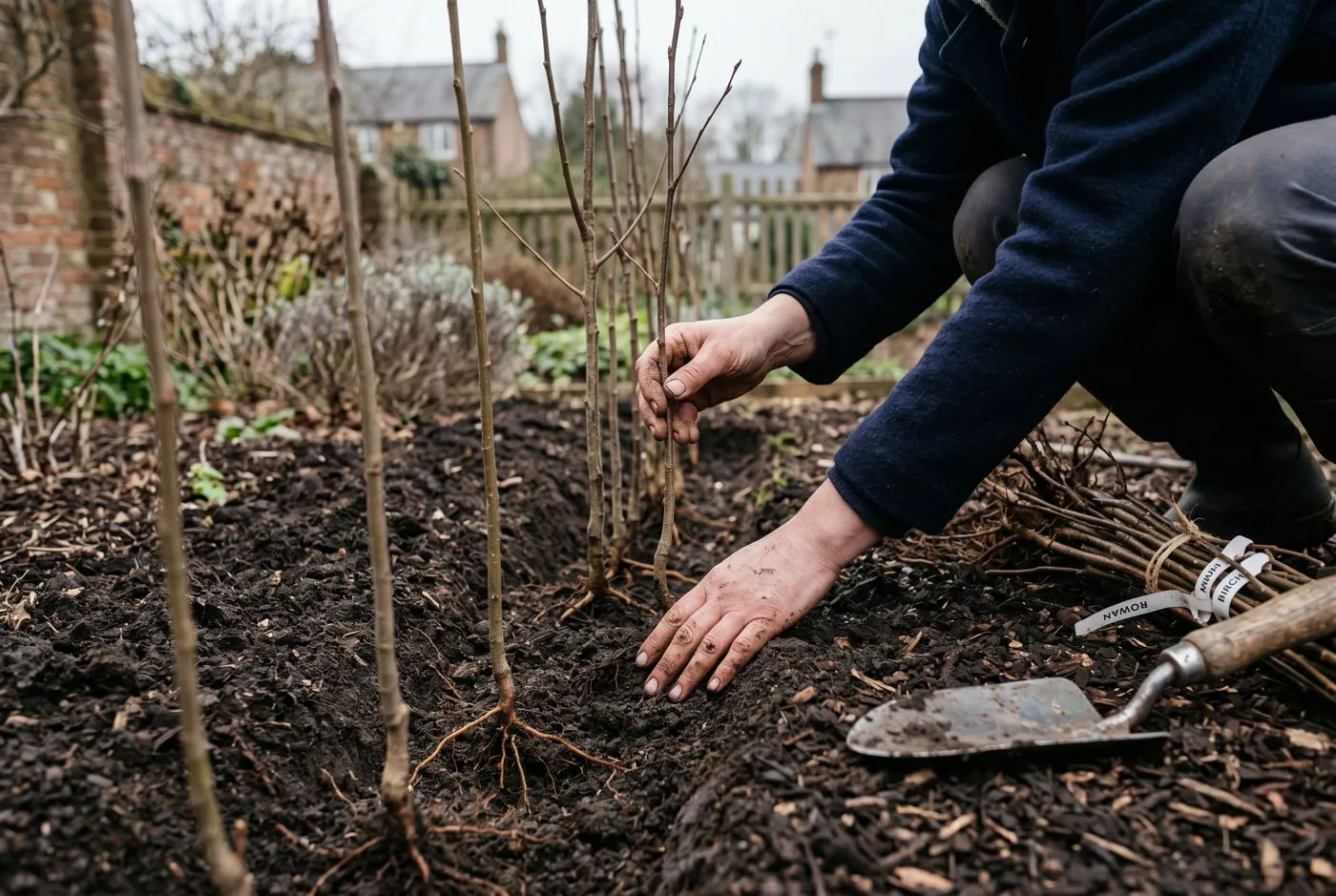
Bare-root whips go in close together in winter. It looks crowded, and that’s the point.
Where to put a pocket woodland
Choose a corner well away from the house, drains and your neighbour’s windows. Trees grow, and on clay soil their roots can dry out the ground near foundations.
- Pick the far end of the garden, or a boundary strip.
- Think about shade. A wood will cast shade on your garden and next door’s. A north or east corner is often kindest.
- Mostly use shrubs and small trees, with just one or two taller trees, and plan to coppice or thin.
- Check for cables and pipes before you dig.
A space of about 3m by 3m is enough to start. A 5m by 5m corner gives a proper wood with a little path through it.
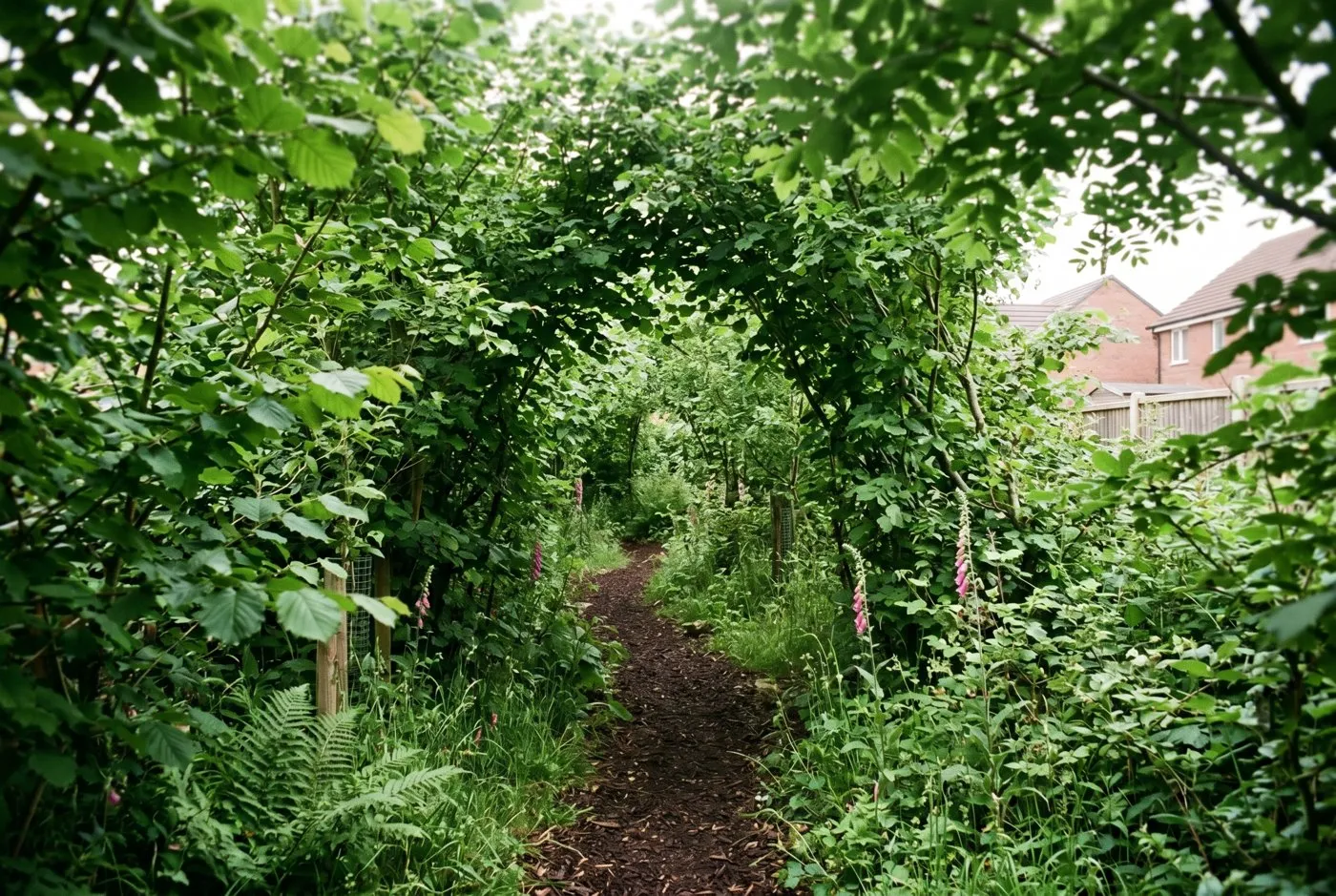
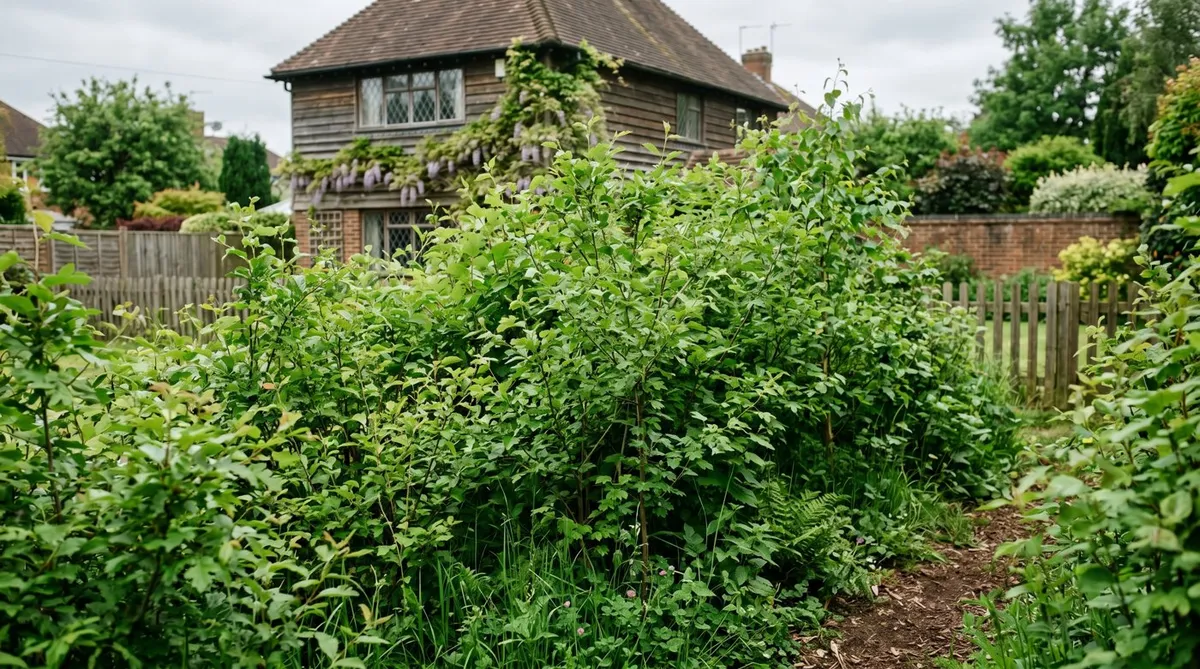
A few years on, a dense young wood with a mulch path makes a shady, secret corner.
The four layers of a pocket woodland
A real wood has layers: tall trees, smaller trees, shrubs and flowers on the ground. Copying that structure is what makes a pocket woodland feel like a wood rather than a row of saplings.
As you choose plants for each woodland layer, explore Warley Place lessons in matching plants to conditions.
Canopy layer
The canopy is the tallest layer. In a garden, use trees with light, airy leaves that cast dappled shade. Silver birch (Betula pendula) is the classic choice. It grows tall in time but stays slim, and its light shade lets plants grow underneath. Use just one or two in a small wood, or the floor gets too dark. Our guide on how to grow silver birch has more on this lovely tree.
Understorey layer
The understorey sits under the canopy. Rowan (Sorbus aucuparia), crab apple (Malus sylvestris) and field maple (Acer campestre) all fit well. Rowan and crab apple have spring blossom for bees and autumn fruit for birds. Field maple takes cutting back well, so you can keep it small.
Shrub layer
The shrub layer gives the wood its thick, twiggy body and nesting cover. Hazel (Corylus avellana) and hawthorn (Crataegus monogyna) are the backbone. Hazel can be coppiced, cut to the ground every several years, and grows back with lots of new stems. Hawthorn has white May blossom and red haws for birds in winter. On damp ground, add guelder rose, a native shrub with white flowers and glossy red berries.
Plant the most whips in this layer. Skip blackthorn in a small garden, as it spreads by suckers.
Ground layer
The ground layer is the woodland floor. Native bluebells, wood anemones, primroses and ferns all suit it. Plant them in the second or third year, once the trees have started to cast shade, as they struggle in full sun.
Buy native English bluebells from a nursery, never dig them from the wild. Bluebells, wild garlic and other woodland bulbs are harmful to dogs and cats if eaten, so bear that in mind if your pets dig.
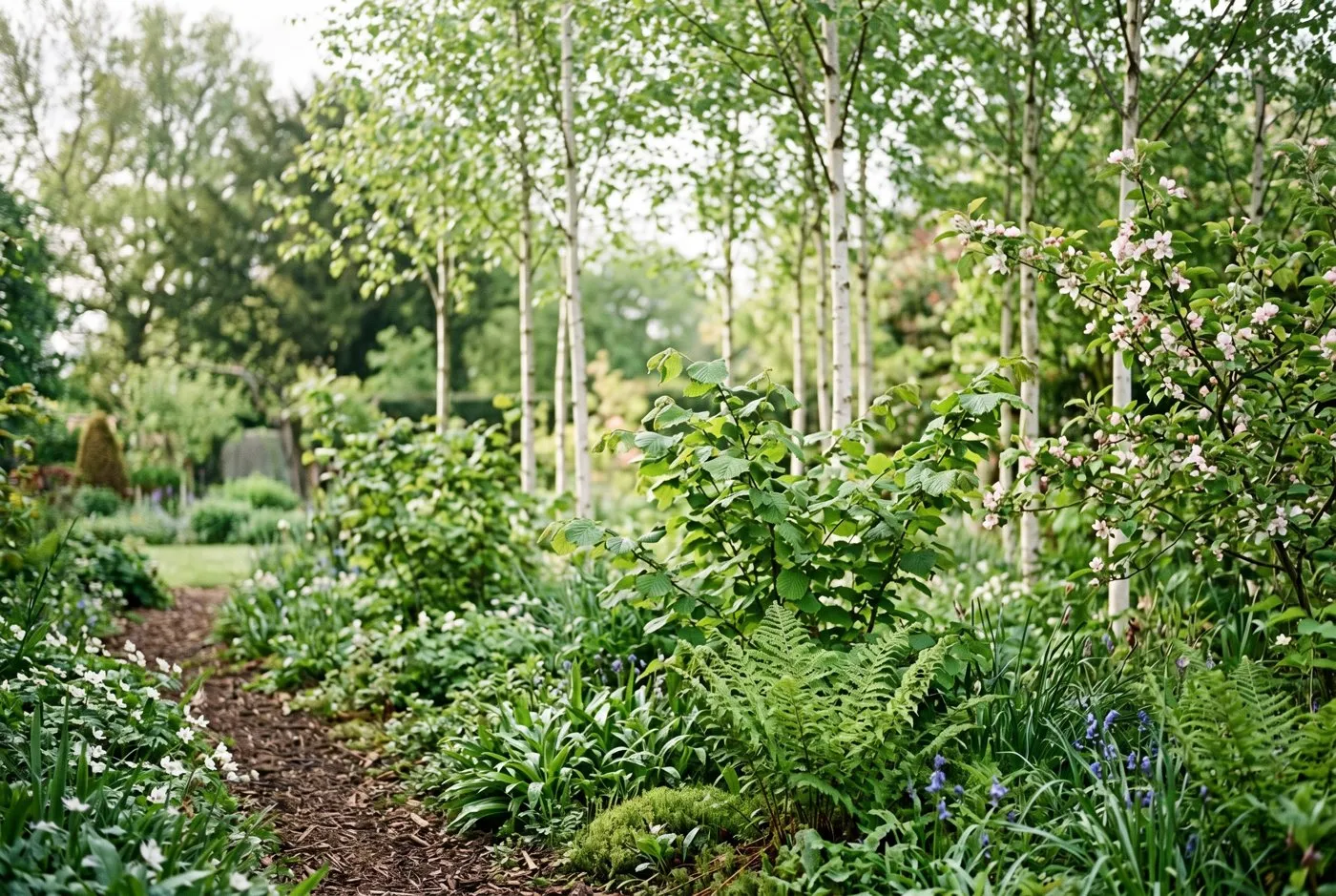
All four layers: flowers and ferns at the front, hazel and crab apple in the middle and slim birch at the back.
Best native trees and shrubs for a pocket woodland
Choose UK natives, as they support far more local wildlife than ornamental trees. Here’s how the main choices compare.
| Plant | Layer | Wildlife value | Good to know |
|---|---|---|---|
| Silver birch | Canopy | Very high | Fast and slim; use only one or two |
| Rowan | Understorey | High: blossom and berries | Copes with exposed sites |
| Crab apple | Understorey | High: blossom and fruit | Pretty spring flowers |
| Field maple | Understorey | Good | Takes coppicing; lovely autumn colour |
| Hazel | Shrub | High: catkins and nuts | Coppice every several years |
| Hawthorn | Shrub | Very high | Thorny, great nesting cover |
| Guelder rose | Shrub | High: flowers and berries | Likes moist soil |
For more choices that stay a sensible size, see our list of the best small native trees.
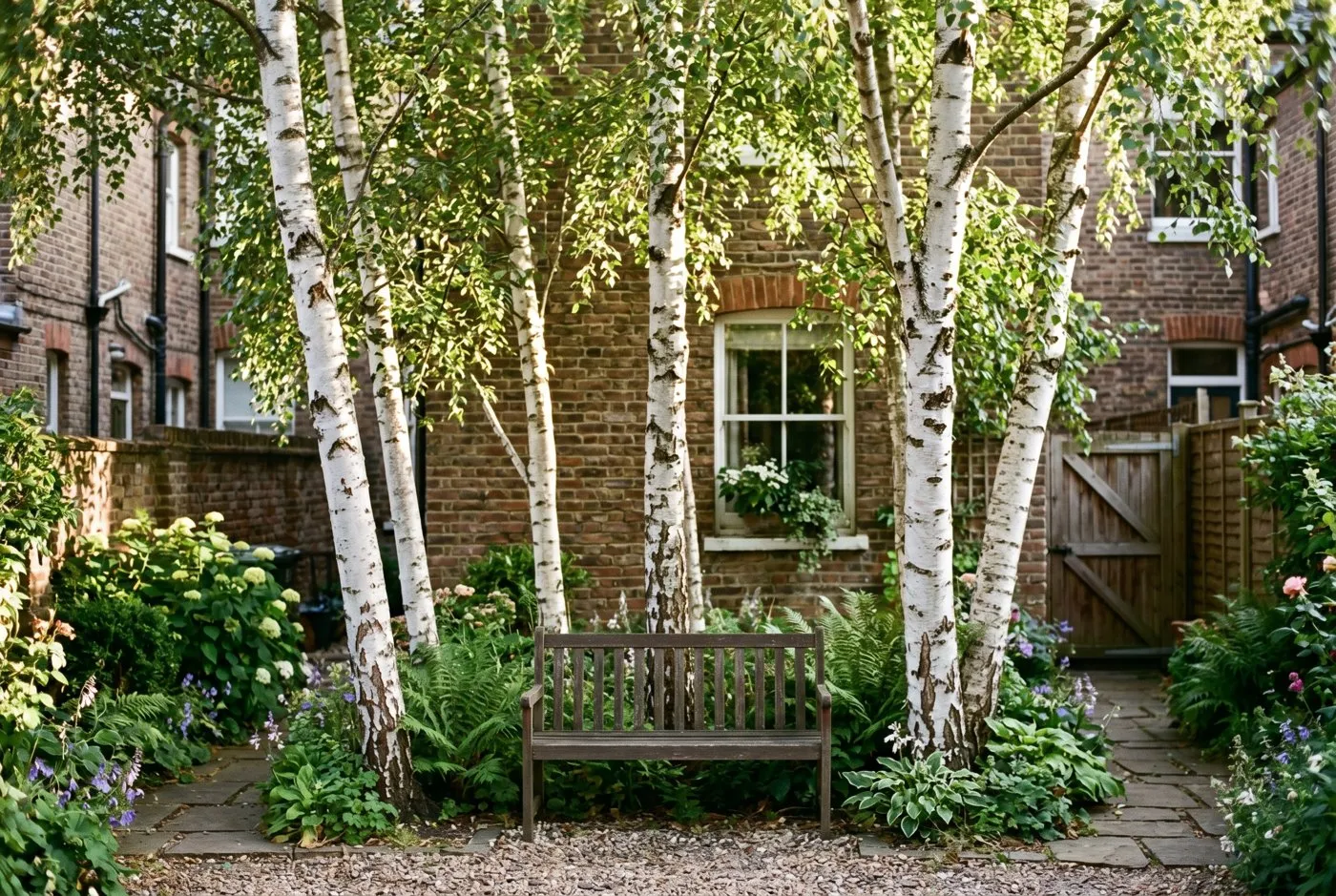
Silver birch casts light, dappled shade, so ferns and flowers can still grow underneath.
How to prepare the ground the no-dig way
Smother the grass with cardboard and mulch rather than digging. Woodland trees like undisturbed soil, full of fungi that help their roots.
- In early autumn, mark out the area.
- Fork through any very hard, compacted ground once to break it up. Don’t turn the soil over.
- Lay cardboard over the whole area, overlapping the edges, and wet it.
- Cover with a thick mulch, about 10-15cm of woodchip, composted bark or leaf mould.
By planting time the grass underneath has died back, and you can plant straight through.
How to plant bare-root whips
Bare-root whips are young trees sold without pots, from November to March. They’re cheap, easy to plant and settle in well.
- Spacing. Plant roughly 55cm apart, which gives about three per square metre. Stagger them rather than planting in rows.
- Mixing. Mix the species so no two of the same sit side by side, just as a natural wood seeds itself.
- Planting. Push a spade in, lever open a slot, drop in the roots to the old soil mark, then firm with your heel.
- No compost or feed in the planting hole. Let the roots grow into the real soil.
- No stakes for small whips. Swaying in the wind builds strong stems.
Keep roots damp and covered until they go in. Plant when the ground isn’t frozen or waterlogged. If rabbits or deer visit, fit spiral guards. Our guide on how to plant bare-root trees goes into more detail.
Looking after a pocket woodland
The first year needs a little care; after that the wood mostly looks after itself.
| When | Job |
|---|---|
| Early autumn | Mark out the area, lay cardboard and mulch |
| November to March | Order and plant bare-root whips when the ground allows |
| Late winter | Fit rabbit guards if needed |
| April | Replace any whips that fail to leaf out |
| May to August, year one | Water in dry spells and pull any weeds that break through |
| Autumn, year two | Top up the mulch and plant bluebell bulbs |
| Winter, year three onwards | Start coppicing hazel and thin crowded trees |
Leave fallen leaves where they land. They feed the soil and give shelter to insects, frogs and hedgehogs. Our guide to pollarding and coppicing shows you how to keep the wood garden-sized.
Warning: Do any thinning or coppicing between October and February. Cutting trees and shrubs in spring and summer risks disturbing nesting birds, and damaging an active nest is against the law.
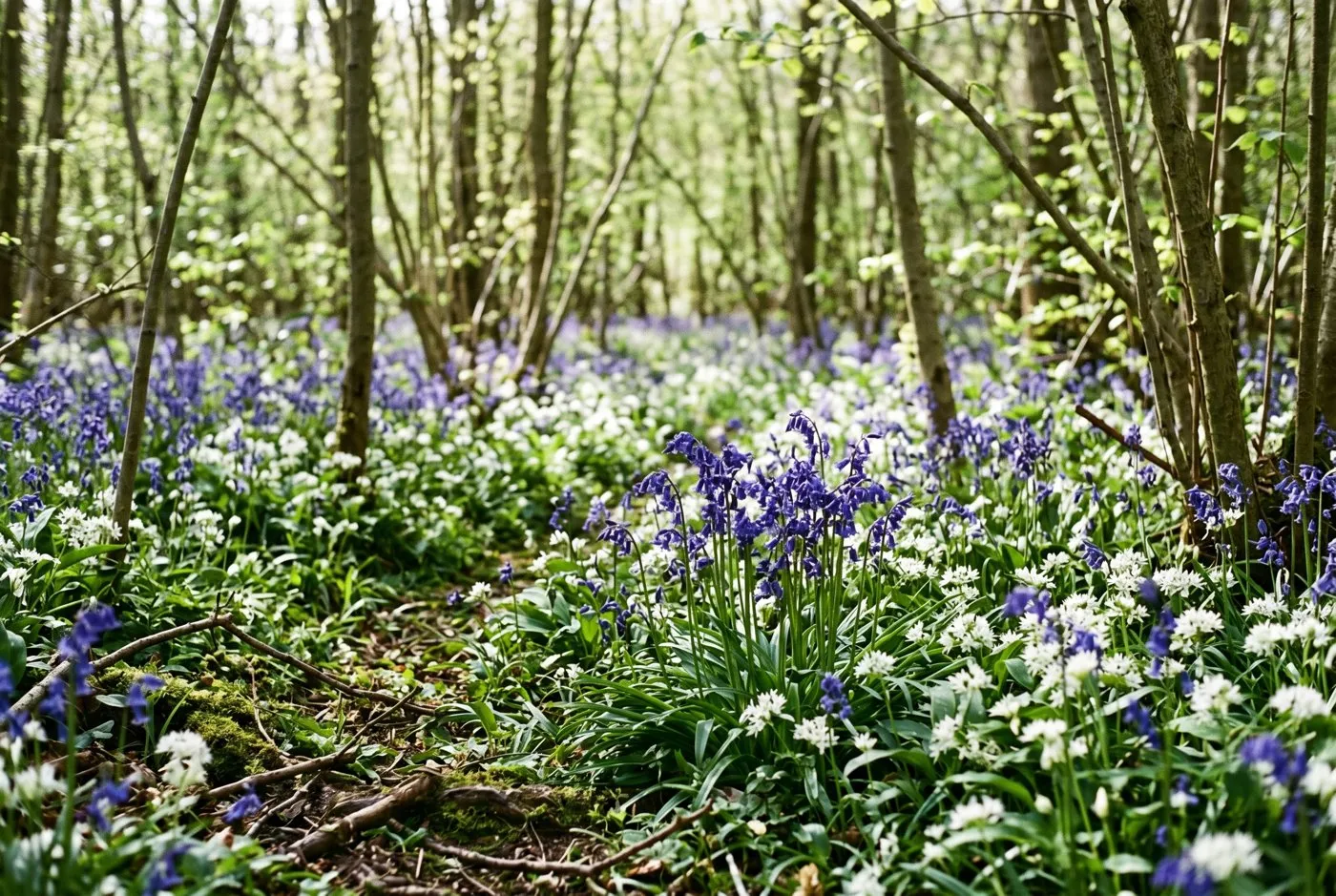
Once there’s shade, bluebells and other woodland flowers can carpet the floor in spring.
What a pocket woodland does for wildlife
Even a small wood brings in birds, bees, hedgehogs and many insects. Blossom feeds bees in spring, and berries feed birds in autumn and winter.
Rowan and hawthorn berries are a favourite with blackbirds, thrushes and, in some winters, redwings. Dense, thorny shrubs give birds safe places to nest.
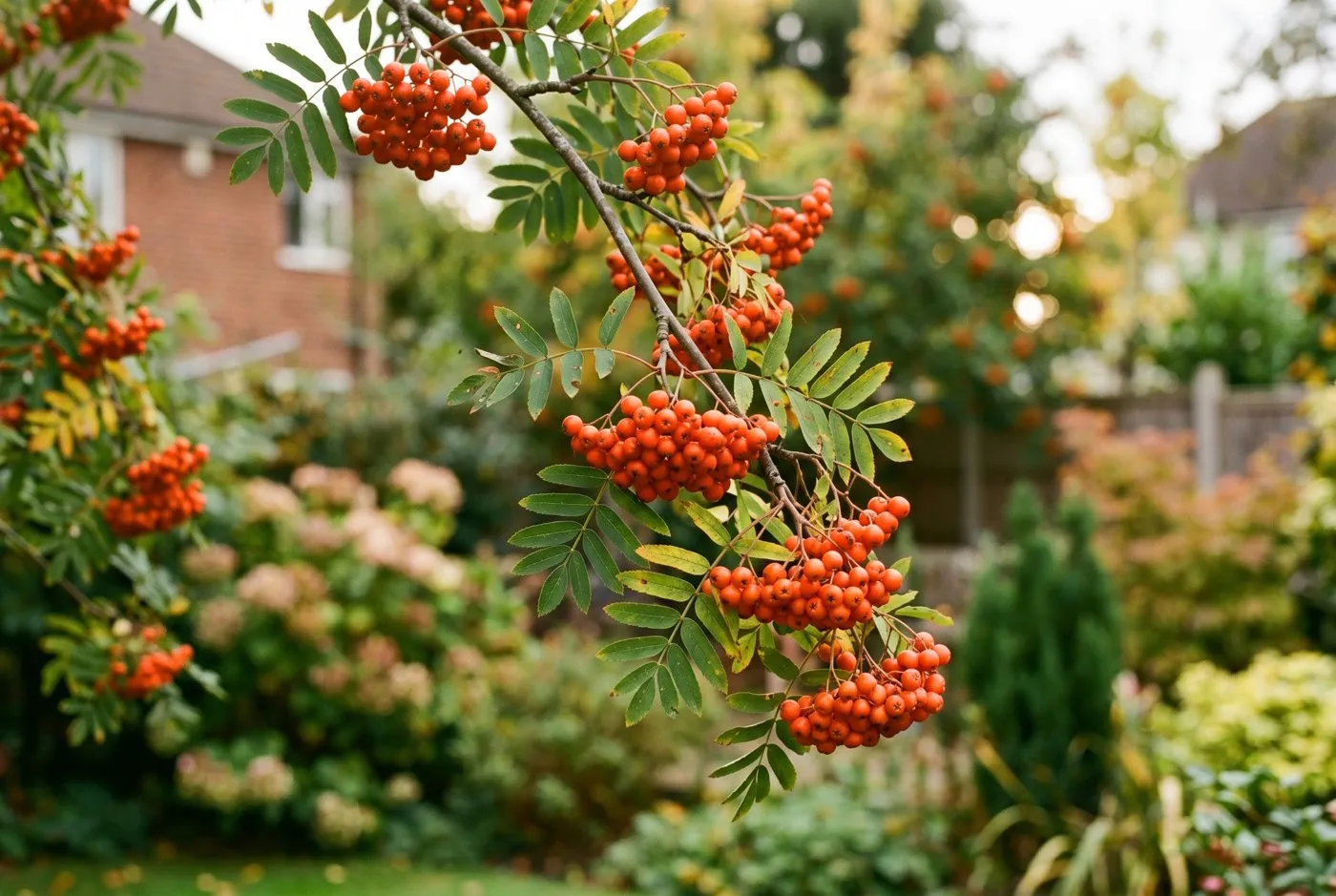
Rowan berries are a feast for blackbirds and thrushes in autumn.
The deep leaf litter is full of beetles, worms and other small creatures. That makes it a good hunting ground for hedgehogs. A gap under the fence lets them come and go.
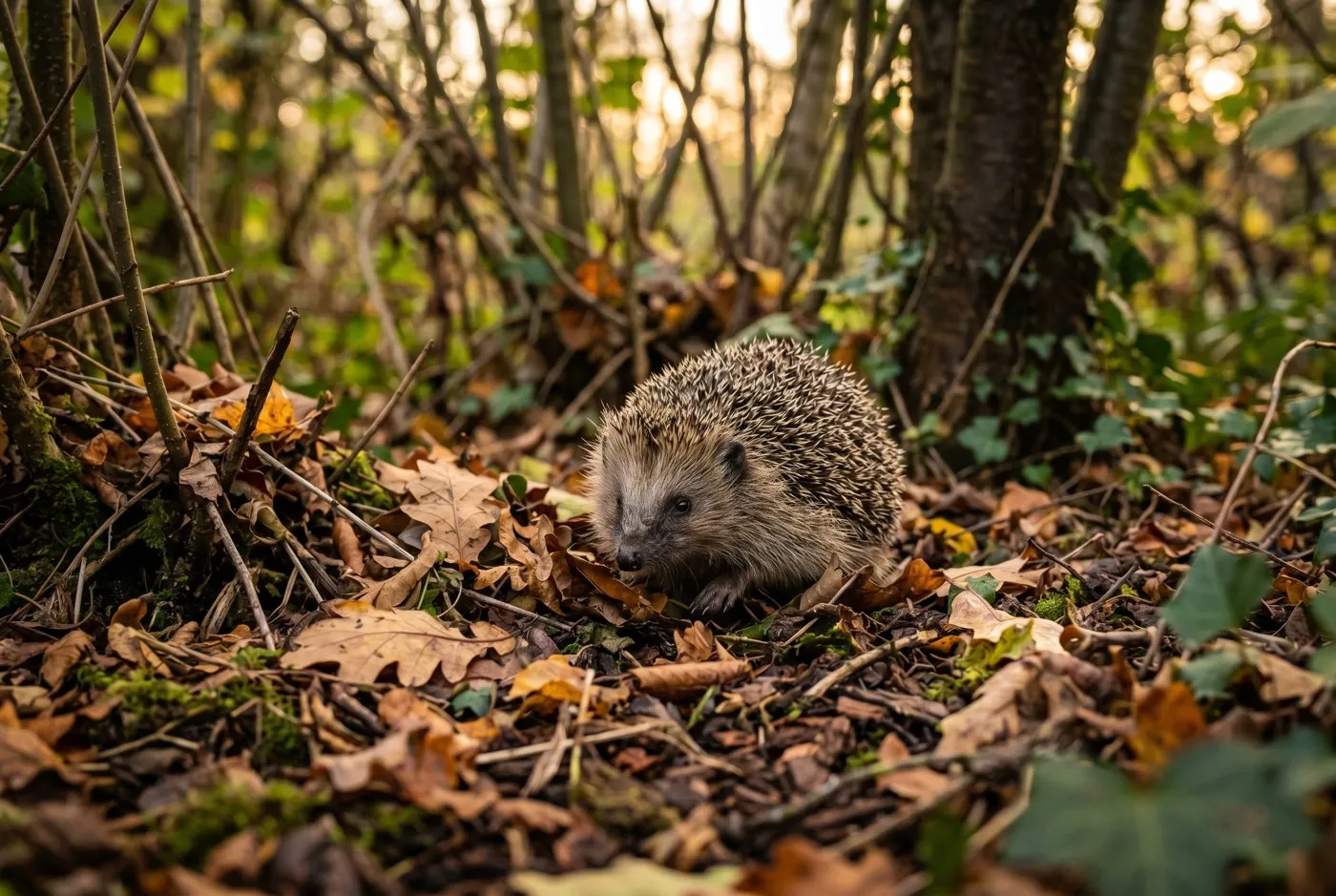
Fallen leaves under the trees are full of the beetles and worms hedgehogs love.
For more ways to welcome wildlife, read our guide to rewilding your garden.
Common pocket woodland mistakes
- Planting too far apart. Wide spacing means slow growth and years of weeding. Plant close, even if it looks wrong.
- Too many tall trees. In a garden, one or two canopy trees are plenty. Fill the rest with shrubs and small trees.
- Planting too close to the house. Keep the wood well away from walls, drains and neighbours’ windows.
- Non-native or invasive plants. Cherry laurel and Rhododendron ponticum shade out everything and feed very little. Stick to natives.
- Planting woodland flowers too soon. Bluebells and primroses struggle in full sun. Wait until the trees cast shade.
- Forgetting to water in the first summer. Young whips need a good soak in dry spells until they settle in.
For more ideas on shaping your outdoor space, visit our garden design hub.
Frequently asked questions
What is a pocket woodland?
It’s a small, dense patch of native trees and shrubs in a garden. It borrows from the Miyawaki tiny-forest method, packing whips close together in layers. The crowding makes them race upwards and shade out weeds quickly.
How small a garden can hold a pocket woodland?
A corner of about 3m by 3m is enough to start. At three whips per square metre that’s around 25-30 plants. Keep it well away from the house and use mostly shrubs and small trees.
Which native trees suit a small pocket woodland?
Rowan, hazel, hawthorn, crab apple and field maple work well. Add one or two silver birch for light, airy height. Hazel and field maple can be coppiced to keep them small.
How long until a pocket woodland looks like a wood?
Expect a leafy thicket within about three years. Whips grow fast once settled, and the dense planting shades out grass. Bluebells and other woodland flowers can go in once there’s shade.
Do I need to prepare the soil first?
Only lightly; skip deep digging. Fork through any compacted ground, then smother grass with cardboard and a thick mulch. Plant straight into the soil, without compost in the planting holes.
Will a pocket woodland damage my house?
Not if you plant it well away from buildings and drains. Trees on clay soil can dry the ground near foundations. Choose small trees, keep the wood at the far end of the garden and coppice or thin it as it grows.
Want a wildlife-friendly boundary to match? Our native hedgerow species guide helps you choose the right mix.
Our team produces practical UK gardening guidance from source research, contributor records and established horticultural practice. Editorial standards are overseen by Matt W.