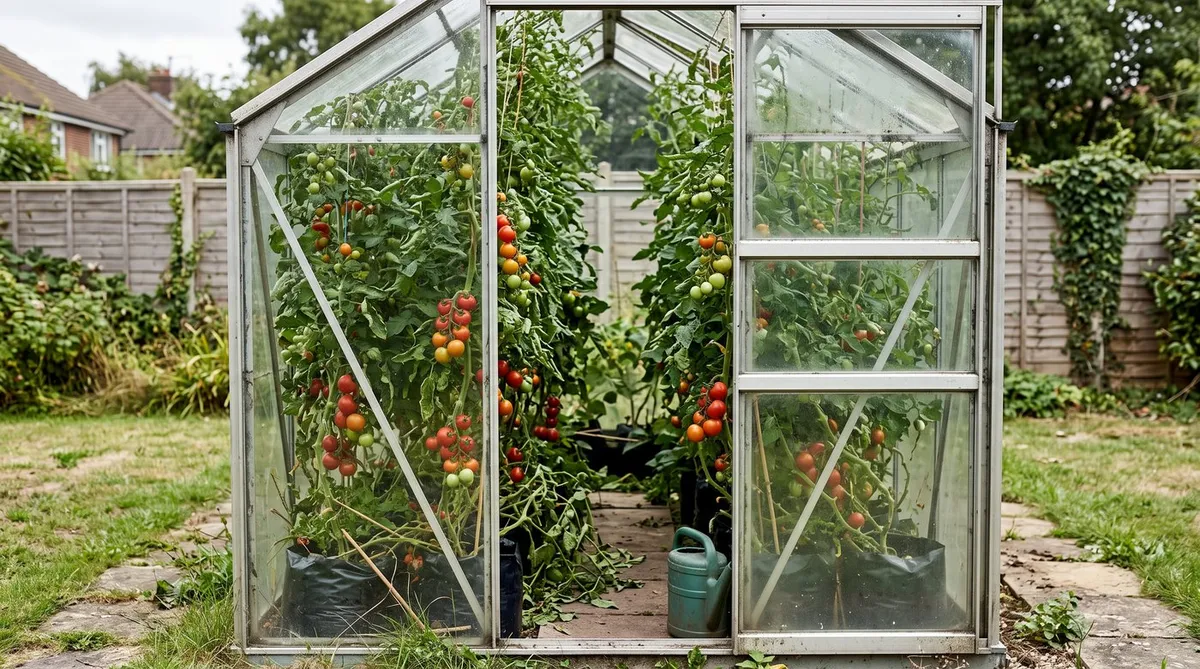
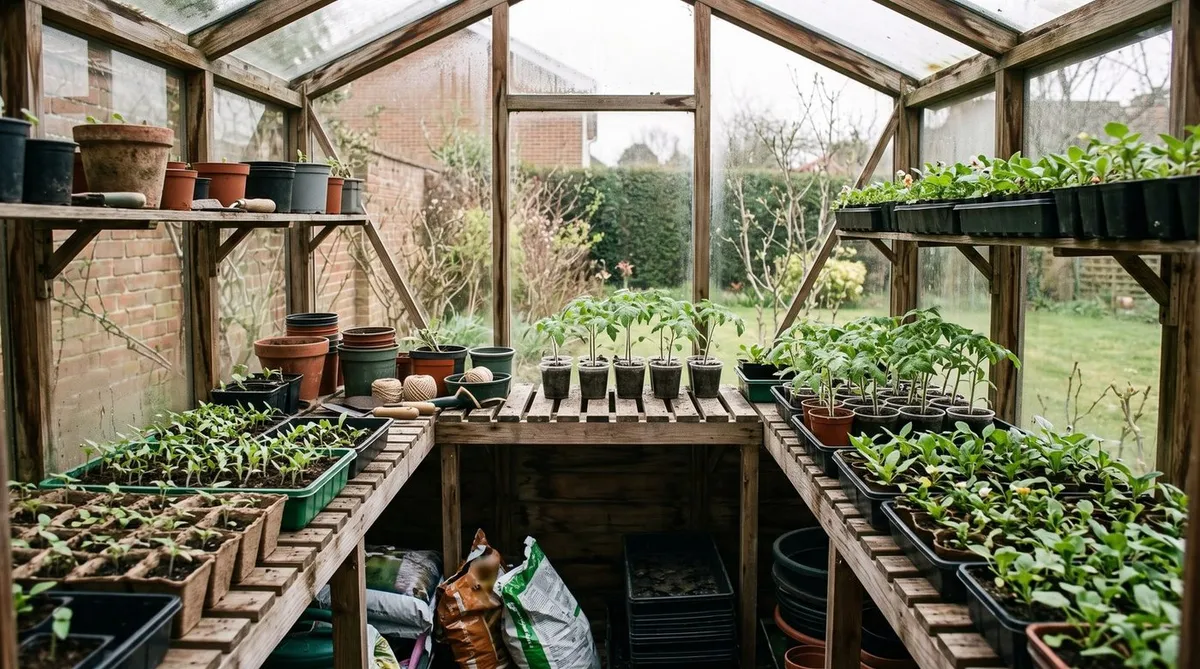
Key takeaways
- A greenhouse is worth it if you want tomatoes, cucumbers, peppers, aubergines or melons
- Roots, brassicas, peas, beans, onions and most salads grow fine without one
- It gives you an earlier start in spring and a longer finish in autumn
- Cold frames, cloches and fleece are cheap ways to start seedlings and protect crops
- A walk-in polytunnel gives the most covered space for your money
- Start with the crops you want to eat, then pick the cover to match
You don’t need a greenhouse to grow plenty of food in a UK garden. Most British veg, from carrots and cabbages to peas and runner beans, grows happily outdoors. A greenhouse earns its place when you want heat-loving crops such as tomatoes, cucumbers, peppers and aubergines, or a warm spot to start seeds early.
This guide helps you decide. It shows which crops really need glass, which don’t, and the cheaper options that might do the job instead. If you’re just starting out, our guide to growing your own vegetables is a good first read.
What does a greenhouse actually do?
A greenhouse traps the sun’s warmth and keeps off wind, rain and light frosts. That makes three big differences.
- An earlier start. Seeds come up faster in steady warmth. You can sow tomatoes and chillies from February or March with a heated propagator. Our guide to sowing seeds indoors covers the basics.
- Ripe fruit on tender crops. Tomatoes, peppers and aubergines come from warmer climates. In a cool British summer they often struggle outside, especially further north.
- A longer autumn. Salads, herbs and late tomatoes keep going under glass after outdoor crops have finished.
An unheated greenhouse still gets cold on winter nights. It isn’t a heated room, but it gives plants a big head start. The RHS greenhouse growing guide has more on how they work.

A small greenhouse in a sunny spot is plenty for tomatoes, cucumbers and trays of spring seedlings.
Which crops grow better in a greenhouse?
These crops are the main reasons people buy a greenhouse.
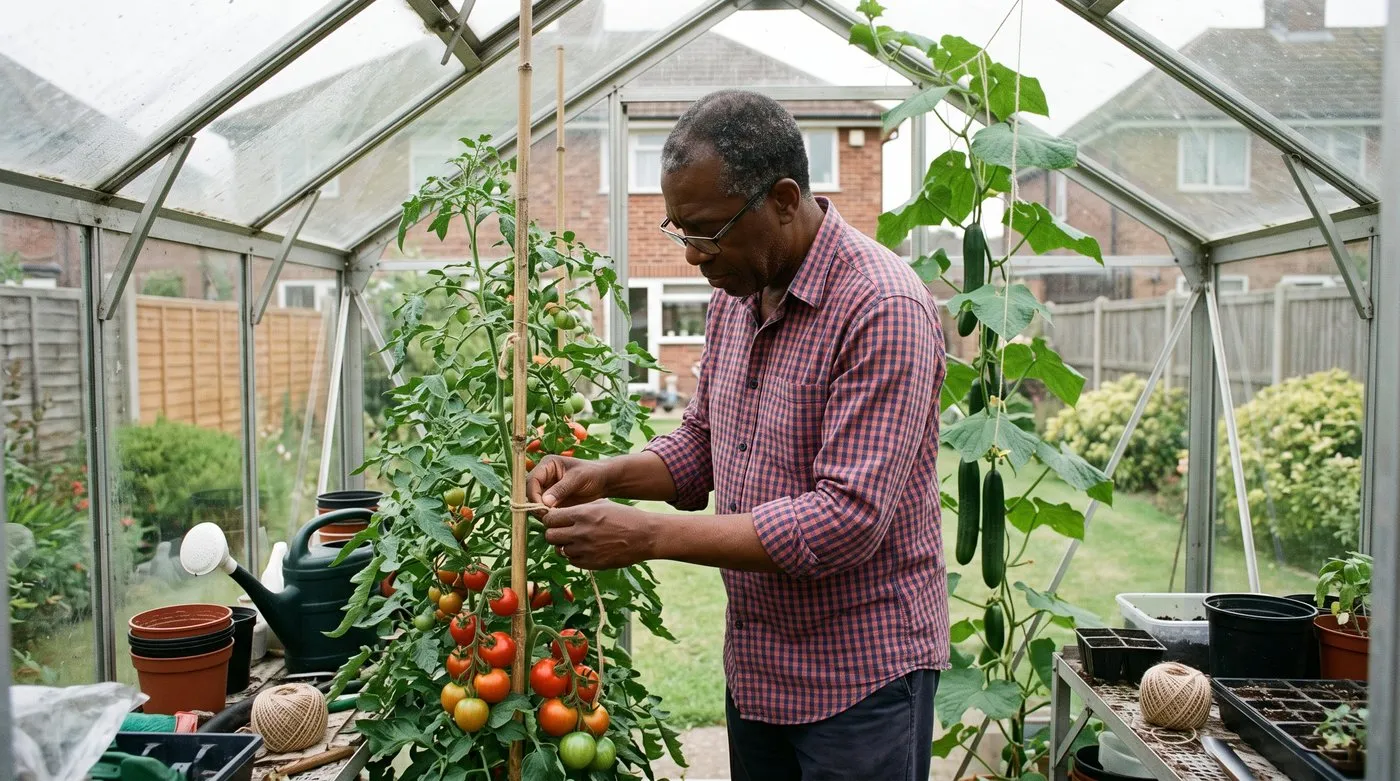
Tomatoes and cucumbers are the crops that gain most from glass, giving longer, more reliable harvests.
Tomatoes grow outdoors in a warm, sheltered spot, but they crop longer and more reliably under glass. Cover also helps keep off rain-spread blight. The beginner’s tomato guide covers varieties and care.
Cucumbers love warmth and humidity. All-female greenhouse types give smooth, long fruit. Outdoor ridge types are tougher but less productive.
Peppers and chillies need a long, warm season to ripen. Outdoors they rarely do well except in the mildest gardens.
Aubergines need steady heat for months. In most of the UK a greenhouse is the only reliable way. See the aubergine growing guide.
Melons need the warmest corner of a greenhouse, and they’re a fun challenge once you’ve mastered tomatoes.
Which crops don’t need a greenhouse?
Most classic British crops grow perfectly well outside. A greenhouse won’t make much difference to these.
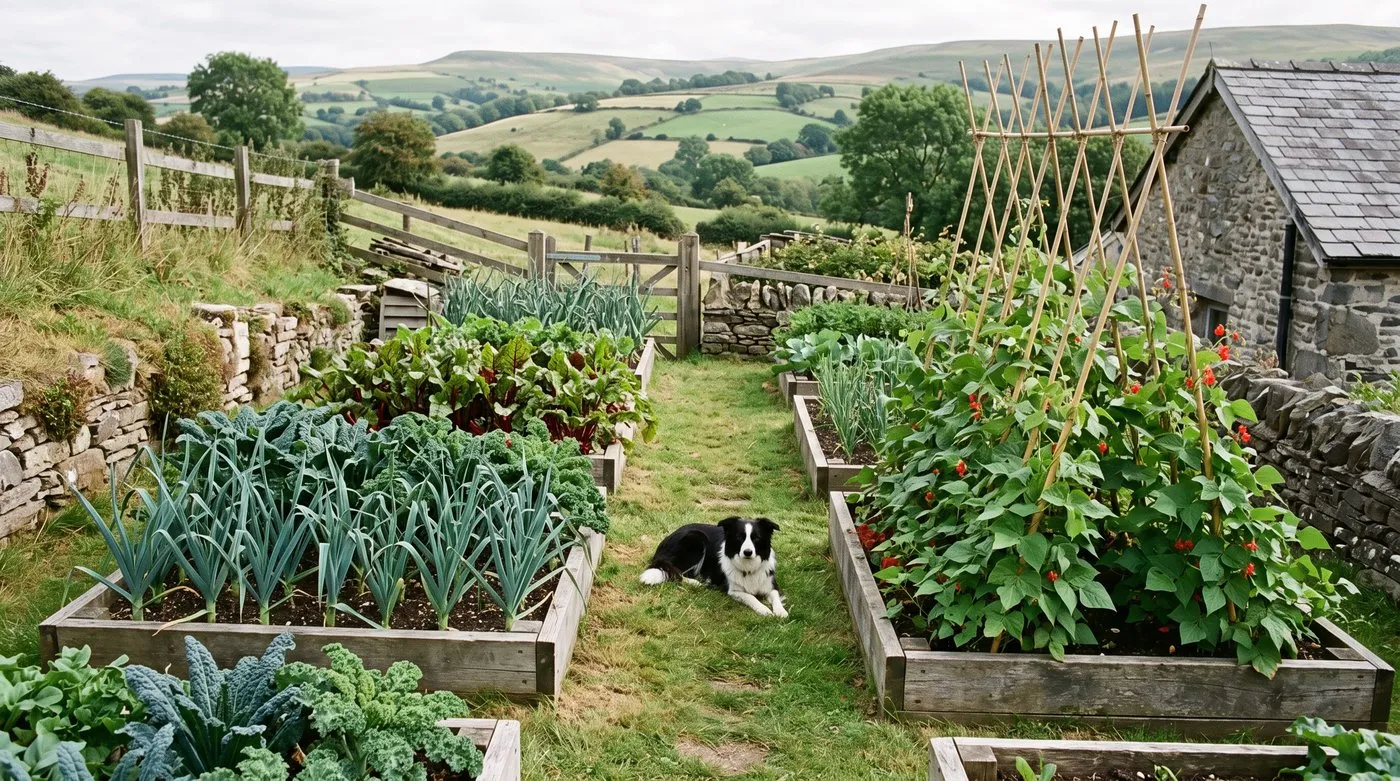
Leeks, kale, beetroot and runner beans all crop happily outdoors, no glass needed.
| Crop type | Examples | Need a greenhouse? |
|---|---|---|
| Root veg | Carrots, parsnips, beetroot, potatoes | No |
| Brassicas | Cabbage, broccoli, kale, sprouts | No |
| Peas and beans | Runner, French and broad beans, peas | No, but useful for starting off |
| Onion family | Onions, garlic, leeks, shallots | No |
| Leafy greens | Lettuce, spinach, chard | No, but useful for winter crops |
| Hardy herbs | Rosemary, thyme, sage, mint | No |
| Tender crops | Tomatoes, peppers, aubergines, cucumbers | Yes in most areas |
| Basil | Sweet basil | Helps, or grow on a windowsill |
If you mostly want roots, salads and beans, put your money into good soil and a few raised beds instead. Containers on a sunny patio are another easy route.
Cheaper alternatives to a greenhouse
You can get many of the benefits for far less money and space.
Cold frames are low boxes with a clear lid. They’re great for hardening off seedlings, winter salads and overwintering young plants. The cold frame guide covers what to grow in one through the year. A small one like the Elite Min-E-Lite cold frame fits on a patio.
Walk-in polytunnels give the most covered space for your money. The plastic needs replacing every few years and they need anchoring firmly against wind. Our polytunnel vs greenhouse comparison helps you choose between them. A 3x2m polytunnel suits most back gardens.
Mini and lean-to greenhouses fit against a sunny wall on a patio or balcony. They’re good for a few tomatoes or chillies and trays of seedlings. The Access Harlow mini lean-to is one example.
Cloches and fleece protect rows of early sowings or late crops from frost. They cost very little and pack away when not needed.
| Option | Best for | Drawbacks |
|---|---|---|
| Full greenhouse | All tender crops, seed raising, overwintering | Most expensive, needs a level base |
| Walk-in polytunnel | Lots of covered space on a budget | Cover wears out, can blow in wind |
| Lean-to or mini greenhouse | Small gardens and patios | Limited space, needs a sunny wall |
| Cold frame | Hardening off, salads, young plants | Low headroom, no tall crops |
| Cloches and fleece | Early and late rows outdoors | Temporary, little growing space |
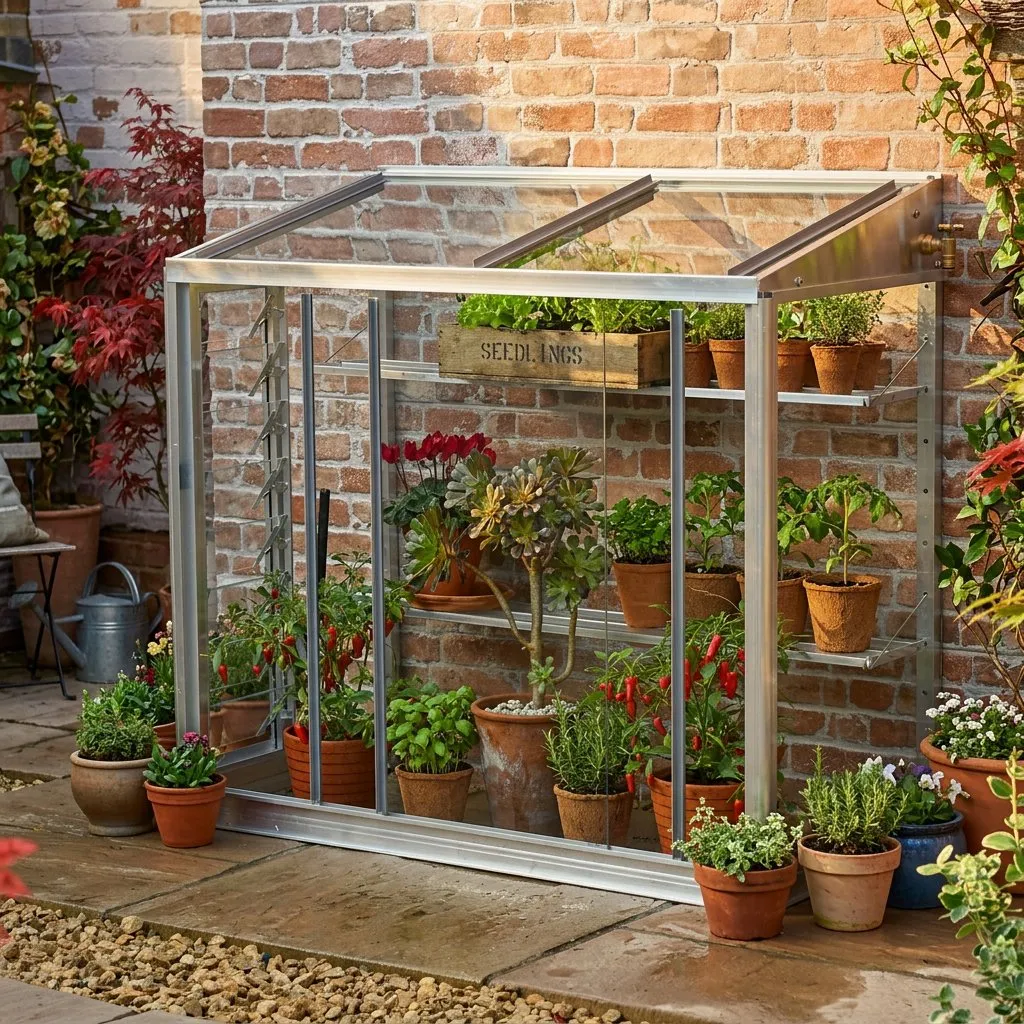
A lean-to mini greenhouse tucks against a sunny wall and holds a few chillies and trays of seedlings.

A walk-in plastic tunnel gives plenty of covered growing space for a small outlay, though the cover won’t last forever.
If you do buy one, where should it go?
Put a greenhouse in the sunniest, most sheltered spot you have, on level ground. Keep it away from overhanging trees, which cast shade and drop leaves and branches. Close to the house makes watering and checking easier.
Polycarbonate is lighter, tougher and safer around children. Glass lets in more light and looks traditional. Toughened glass is a good middle ground. A 6x8ft size such as the Palram Canopia Hybrid 6x8 suits most hobby growers. For sizes, frames and bases, read the greenhouse buying guide.
Common mistakes when deciding on a greenhouse
Buying before you know what to grow. Decide on your crops first. If they’re all hardy, you may not need glass at all.
Going too small. Tomato plants fill space fast. Most people wish they’d bought a size up.
Choosing a shady spot. A greenhouse in shade stays cool and gives poor crops. Pick the sunniest place you can.
Forgetting ventilation. Greenhouses overheat fast on sunny days. Make sure there are roof vents you can open.
Not planning for watering. Plants under glass need watering often in summer. Site it near a tap or water butt.
Frequently asked questions
Is a greenhouse worth it in the UK?
Yes, if you want to grow tender crops like tomatoes, cucumbers and peppers. It also gives an earlier start in spring and a longer autumn. If you mainly grow roots, brassicas and beans, you can manage happily without one.
What size greenhouse do I need?
A 6x8ft greenhouse suits most beginners. It fits a few tomato plants, a cucumber or two and staging for seed trays. Small gardens can use a lean-to or mini greenhouse against a sunny wall. Most people wish they had gone a size bigger.
Can I grow vegetables without a greenhouse?
Yes, most UK vegetables grow well outdoors. Potatoes, carrots, onions, peas, beans, lettuce and brassicas need no glass. Outdoor tomatoes and courgettes also do well in a warm, sheltered spot.
What is the cheapest alternative to a greenhouse?
Cloches and garden fleece are the cheapest way to protect crops. For real growing space, a cold frame or a walk-in polytunnel costs much less than a greenhouse. A sunny windowsill is fine for starting most seeds.
Do greenhouses need heating in winter?
No, most greenhouses work well unheated. An unheated greenhouse still keeps off wind, rain and light frosts. Add a small frost-free heater only if you want to overwinter tender plants such as pelargoniums or citrus.
When should I start using my greenhouse in spring?
Start sowing hardy crops and early salads under glass from February or March. Plant tomatoes and other tender crops into an unheated greenhouse from late April or May. In colder areas, wait until May.
Made up your mind? Browse the growing hub for more, or see our guide to growing sweet peppers for your first greenhouse crop.
Our team produces practical UK gardening guidance from source research, contributor records and established horticultural practice. Editorial standards are overseen by Matt W.