Key takeaways
- Plant bare-root roses, fruit trees and hedging on days when the soil isn't frozen or sodden
- Early December is your last chance for tulip bulbs and garlic cloves
- Cover an established rhubarb crown now for tender forced stems by February
- Microgreens on a windowsill give fresh leaves in one to three weeks
- Pot amaryllis bulbs now for flowers in January and February
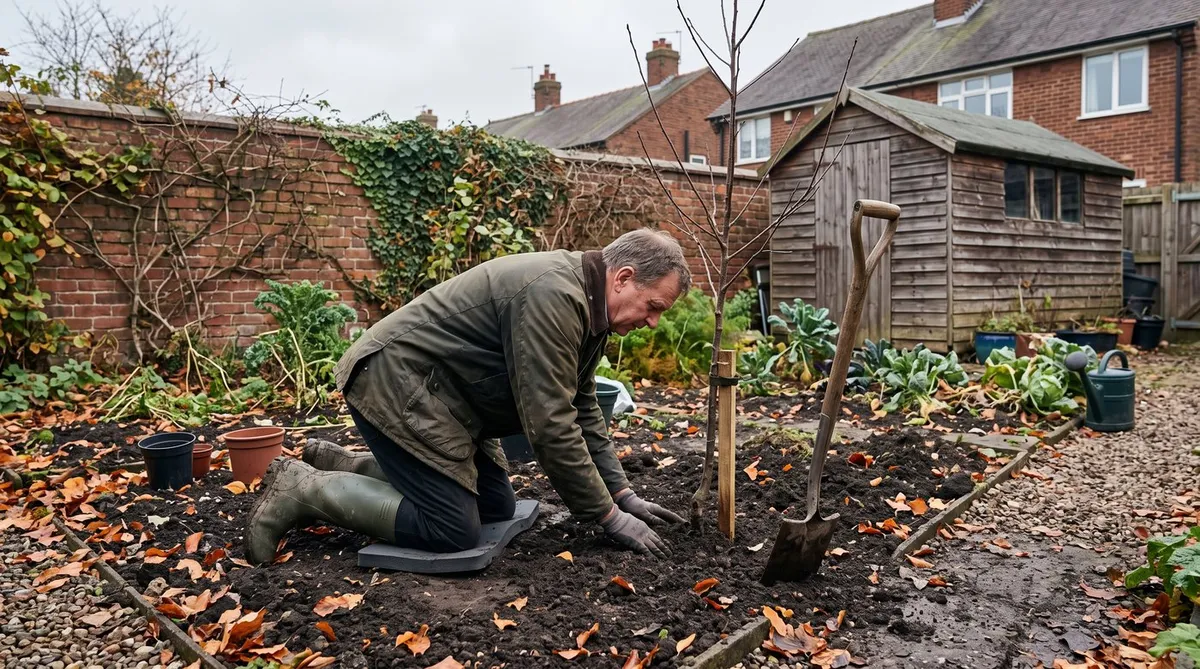
December is the month for bare-root planting. Roses, fruit trees and hedging plants are dormant and cheap, and they settle in best when planted now. Pick a day when the soil isn’t frozen or sticky, and you can do most of the job in an afternoon.
There’s a little more to plant too: the last tulips and garlic, a rhubarb crown to force, and quick greens on a windowsill. For the rest of the winter to-do list, such as tools, birds and greenhouse checks, see the winter gardening jobs checklist. This guide sticks to what goes in the ground or a pot this month.
Which bare-root plants can you plant in December?
Bare-root roses, fruit trees, hedging and ornamental trees can all go in now. Bare-root means the plant is dug up while dormant and sold with no soil or pot. It’s cheaper than a potted plant and roots quickly into your soil.
The one rule is to plant on a good day. Frozen ground or waterlogged soil damages roots and wrecks the soil structure. If your parcel arrives in a cold snap, heel the plants in: dig a shallow trench, lay the roots in at an angle and cover them with soil. They’ll wait happily for a few weeks.
Before planting, soak the roots in a bucket of water for an hour or two. Dig a hole wide enough to spread the roots out flat, and no deeper than they need. Firm the soil back in with your heel and water well. The step-by-step guide to planting bare-root trees covers staking and spacing in more detail.
Bare-root roses
Plant bare-root roses so the graft union sits at soil level. That’s the knobbly bump where the stems join the roots. Don’t bury it deep. Backfill with the soil you dug out, firm gently and water in.
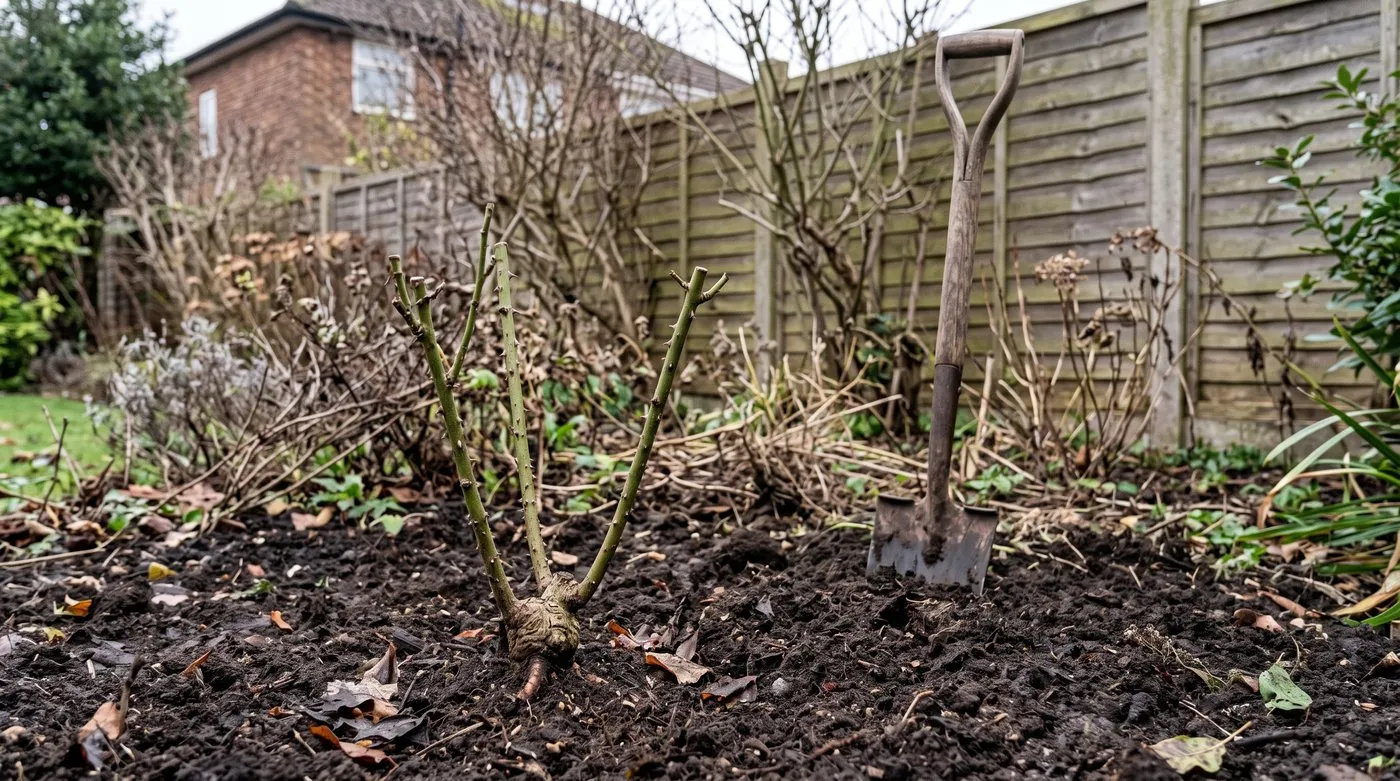
The knobbly graft union should sit right at soil level, not buried. Spread the roots out flat before you backfill.
Climbing roses can be tied in now too. Train the main stems sideways along wires and they’ll flower all along their length next summer.
Planting fruit trees and bushes in December
December is a great time to plant bare-root apple, pear, plum and cherry trees, plus currant and gooseberry bushes. They have the whole winter to root before the buds break.
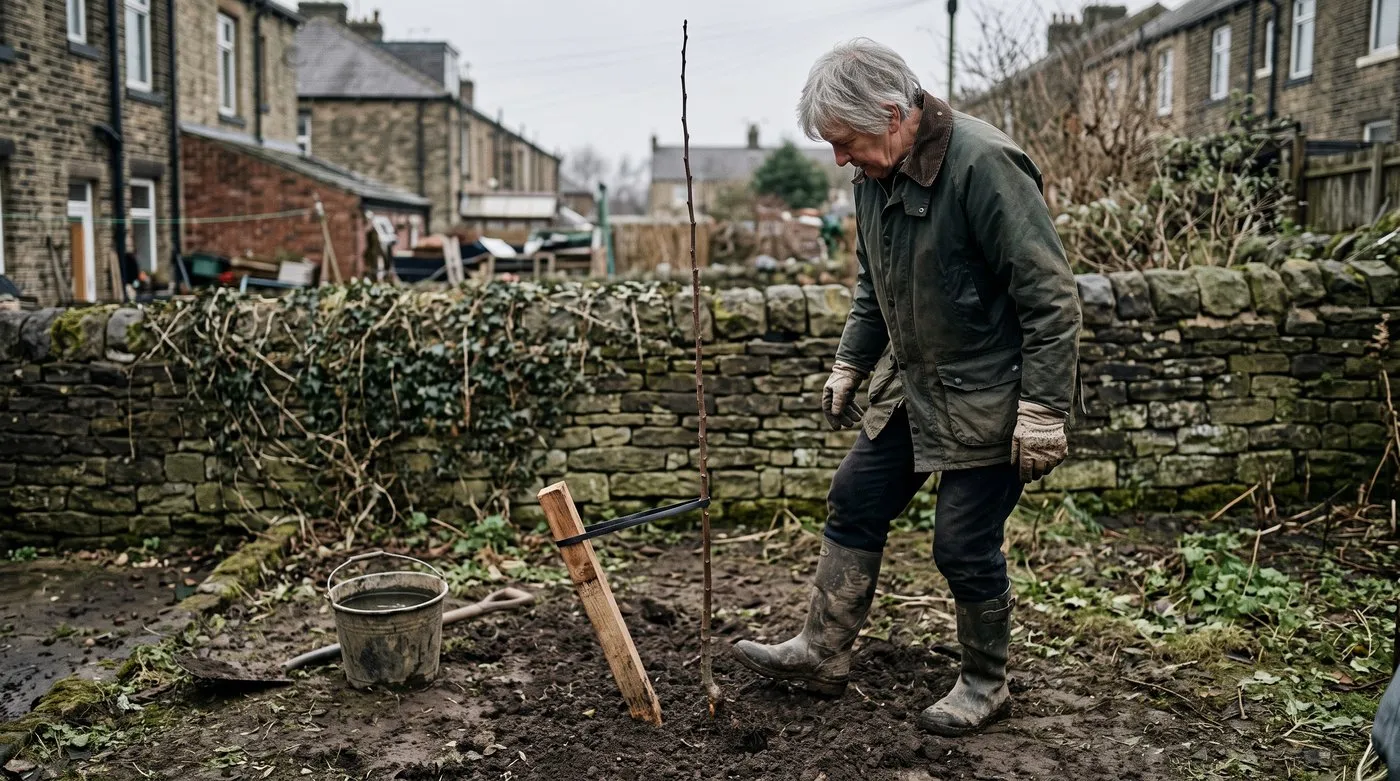
Firm the soil with your heel and fix a short stake on the windward side. No compost in the hole: plain soil is best.
Choose a tree on a rootstock that suits your space. The rootstock decides how big the tree grows, so a small garden needs a dwarfing one. Ask the nursery if you’re not sure which one you need.
Plant with the point where the trunk flares into the roots at soil level. Don’t add compost or fertiliser to the planting hole. Trees root out better into ordinary soil. Knock in a short stake on the windward side and fix it with a tree tie that has a little give.
Winter pruning while you’re out there
Established apples, pears, currants and gooseberries can be pruned now while they are leafless. Take out dead, damaged and crossing branches first, then open up the centre. On blackcurrants, cut a few of the oldest stems right down to the ground.
Warning: Don’t prune plums, cherries, damsons or other stone fruit in winter. Silver leaf disease gets in through fresh cuts. Prune them in summer instead.
Planting a bare-root hedge in December
Bare-root hedging is at its cheapest and best now. Beech, hornbeam, hawthorn, blackthorn and field maple are all sold as young whips, which are slender, single-stemmed plants.
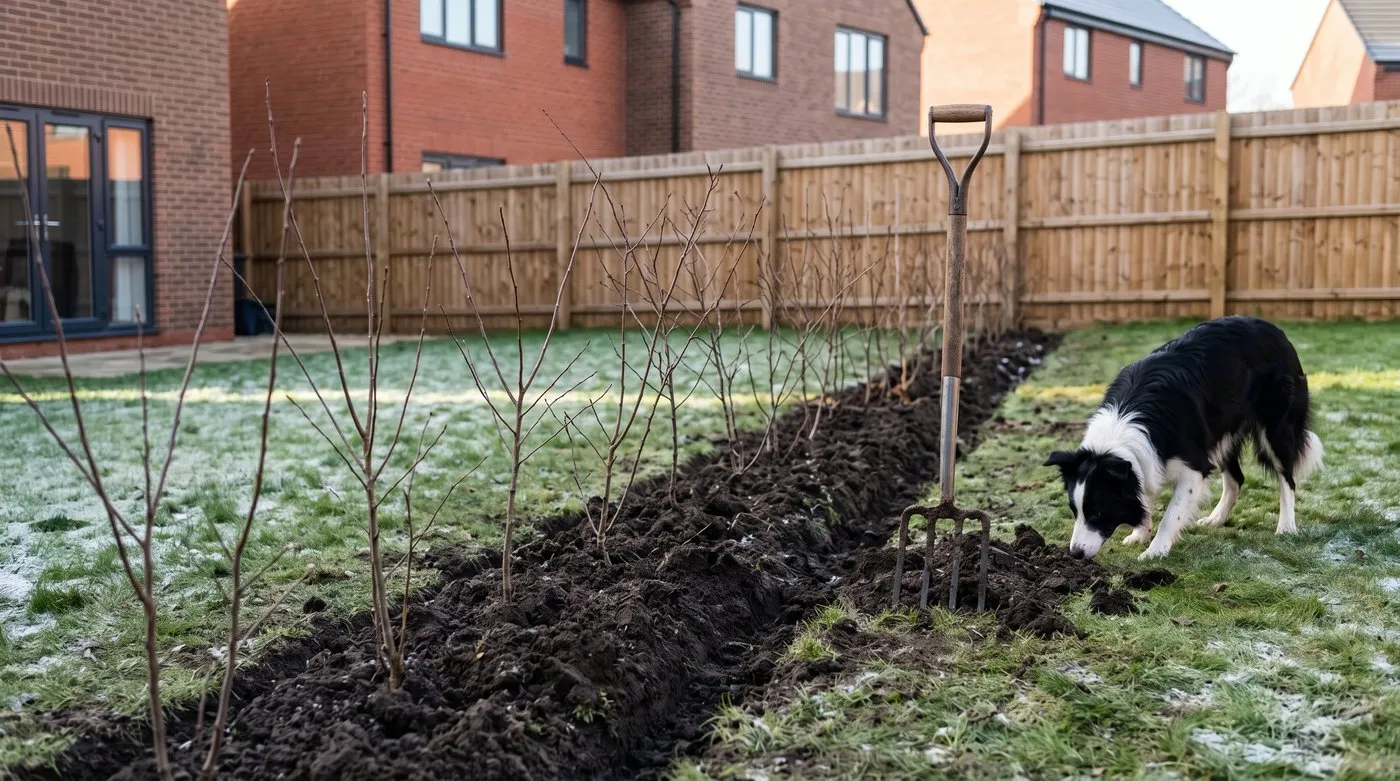
A trench is quicker than lots of holes. Space the whips 30-45cm apart and they’ll knit into a thick hedge in a few years.
Dig a trench rather than lots of separate holes. Space whips 30-45cm apart in a single row, or plant a staggered double row for a thicker hedge. Water them in and keep the base weed-free next year.
Hawthorn and blackthorn make brilliant wildlife hedges, with blossom for insects and berries for birds. The full hedge planting guide compares the best hedging plants.
Last bulbs and cloves: tulips and garlic
Early December is your last sensible chance for tulips. They actually like going in late, as cold soil helps prevent a disease called tulip fire. Plant them about 15cm deep, pointy end up, in pots or borders.
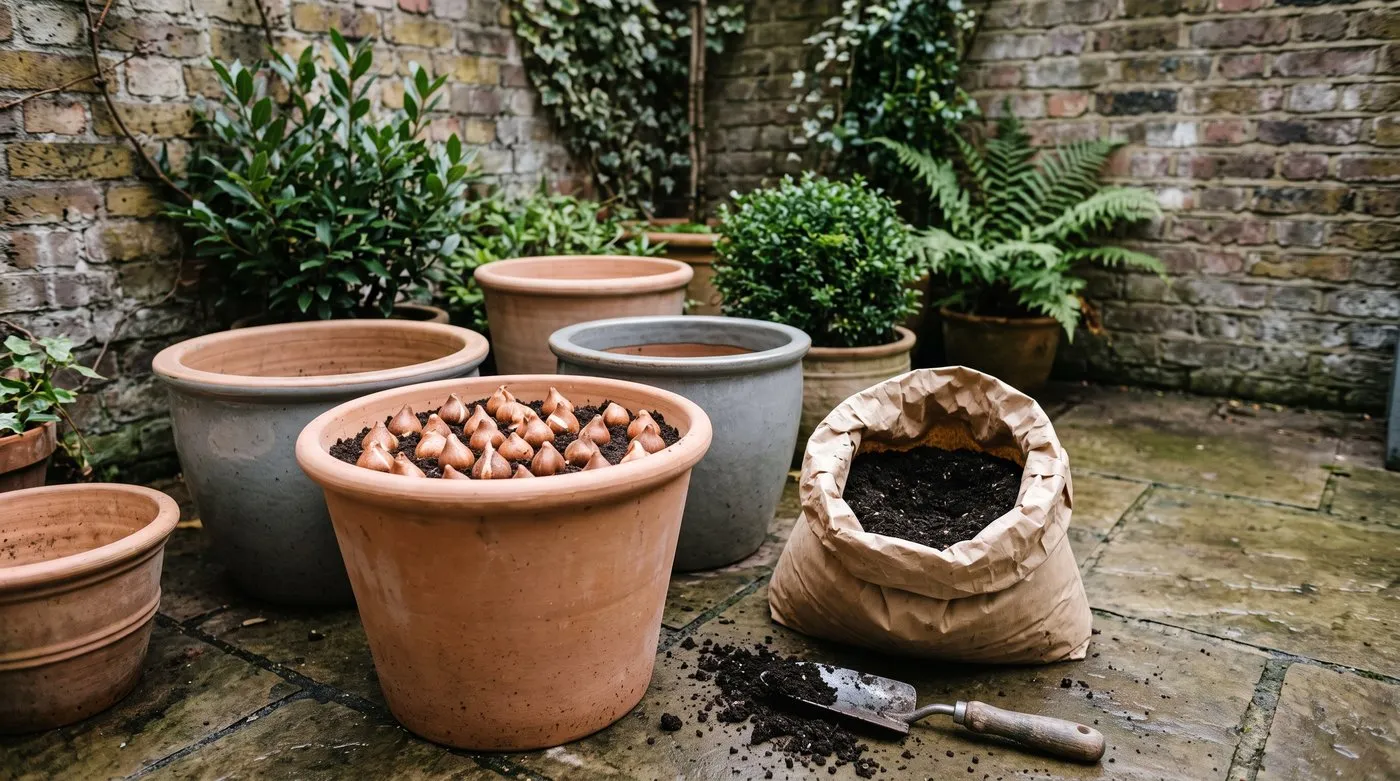
Tulips don’t mind a late start. Cold soil in December actually helps keep tulip fire away.
Garlic can still go in early this month on well-drained soil. Push cloves in so the tips sit about 2-3cm below the surface, 15cm apart. Garlic needs a cold spell to split into cloves, so a winter start helps. On heavy, wet clay, start cloves in modules in a cold frame and plant out in spring. The guide to growing garlic covers varieties and harvest.
Don’t leave bulbs sitting in their bags after Christmas. They dry out and lose their oomph.
How to force rhubarb for early stems
Cover an established rhubarb crown now and you’ll be picking pale pink stems by February. Forcing simply means growing the plant in the dark so it shoots up early.
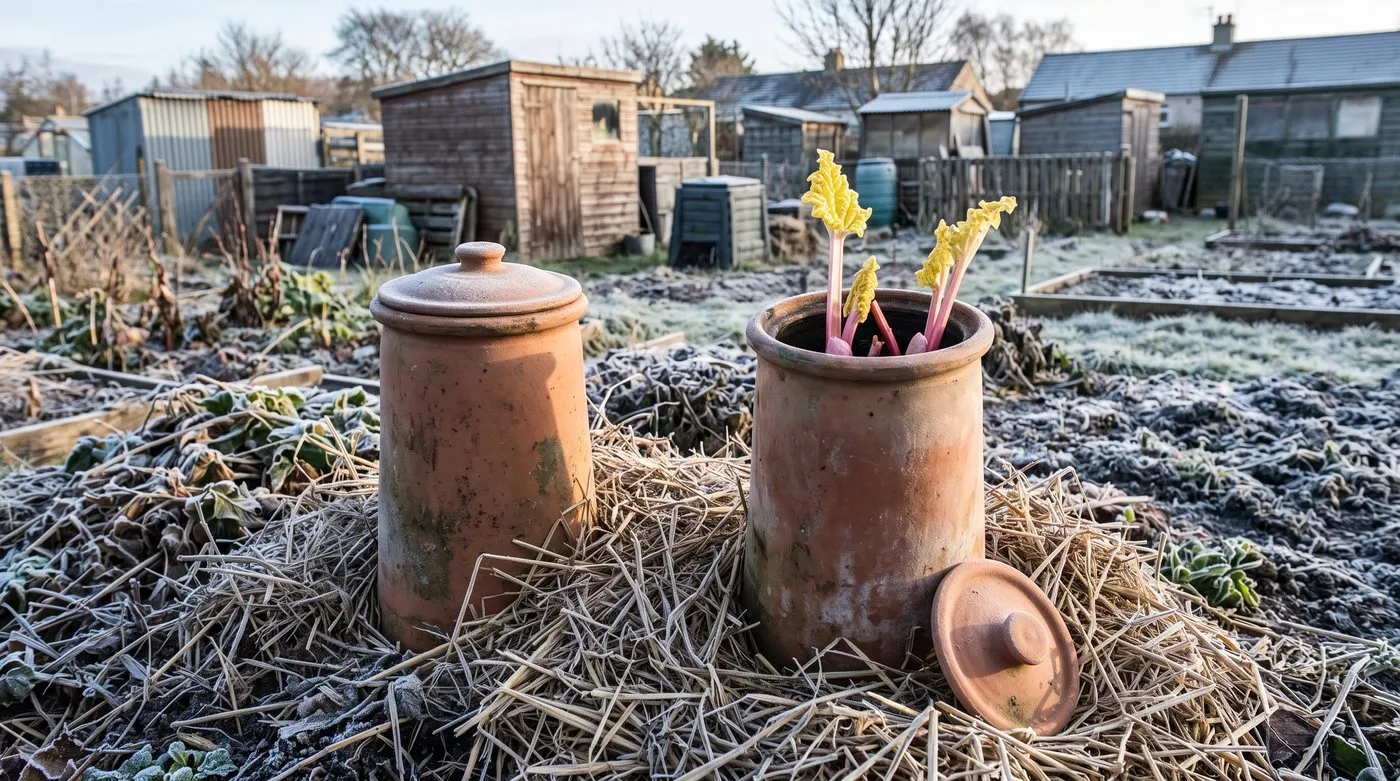
Block out all the light and the stems shoot up pale, pink and tender. Expect to pick them about six to eight weeks later.
Clear away dead leaves, then put a forcing pot, large bucket or upturned dustbin over the crown. Block out every bit of light. Pack straw or dry leaves around the outside to keep it a little warmer.
Pick the stems when they are 20-30cm long, usually about 6-8 weeks later. Forcing tires the plant, so only force a crown every other year and let it grow freely afterwards. Never force a young plant. The full guide to growing rhubarb explains how to keep crowns healthy.
Gardener’s tip: Rhubarb leaves are poisonous to people and pets. Eat the stems only, and compost the leaves.
What to sow and plant indoors in December
A bright windowsill is the busiest growing spot this month. Here’s what does well.
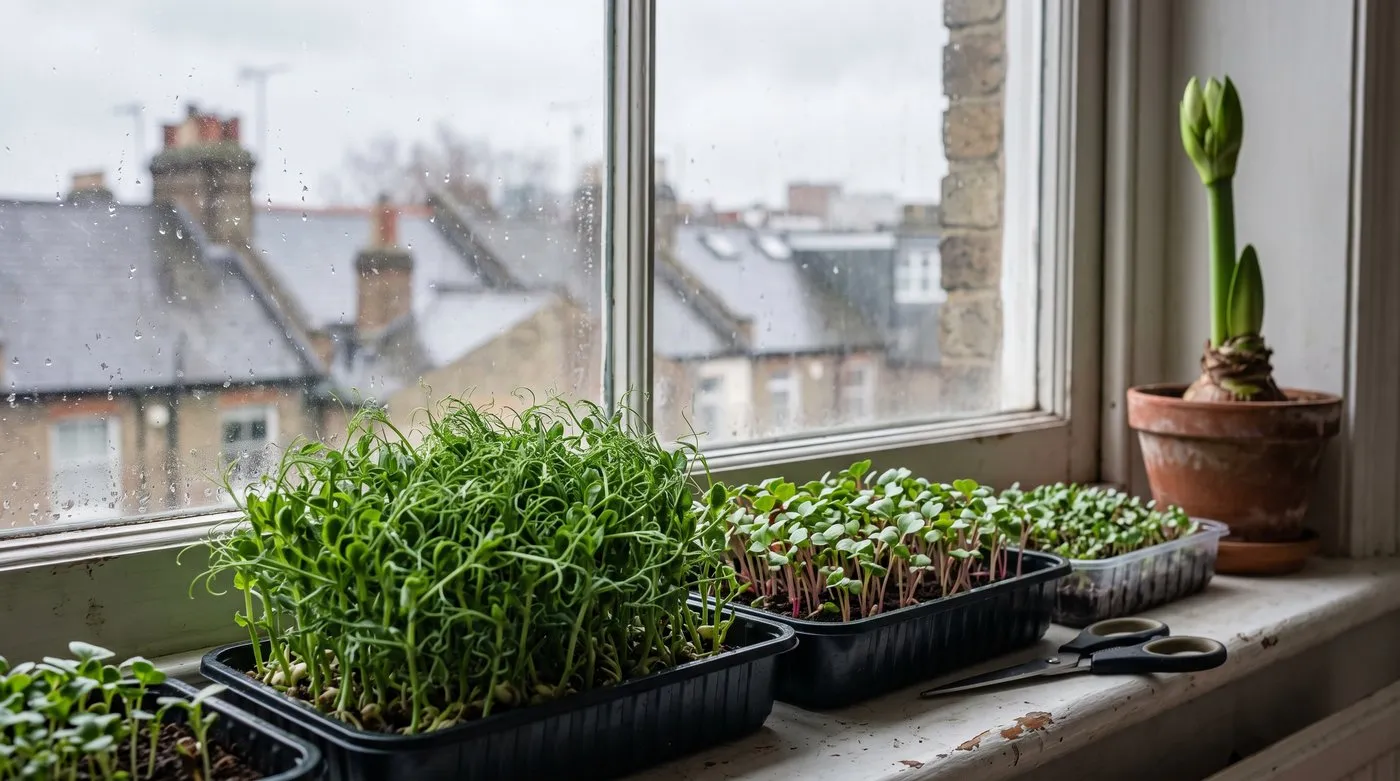
A sunny windowsill is the busiest growing spot in December. Pea shoots and radish are ready to snip within a few weeks.
Microgreens are tiny seedlings eaten when a few centimetres tall. Sow thickly on a shallow tray of compost, keep it damp and snip with scissors once the first leaves open. The guide to growing microgreens has the full method.
- Pea shoots: sweet and crunchy, ready in about two to three weeks
- Radish: peppery and quick, ready in about a week to ten days
- Mustard and cress: the classic, ready in about a week
- Rocket: sharp and tasty, ready in about two weeks
Amaryllis bulbs potted now flower in January and February, a cheerful sight after Christmas. Use a pot just a little wider than the bulb and leave the top third poking out. Water once, put it somewhere warm and bright, and wait for the bud. See growing amaryllis for aftercare.
Broad beans such as ‘Aquadulce Claudia’ can be sown in deep pots in a cold greenhouse or cold frame. They’ll be ready to plant out in early spring.
What can you harvest in December?
Hardy winter veg stand happily in the ground through December. Lift or pick them as you need them.
| Crop | How to harvest |
|---|---|
| Parsnips | Lift with a fork as needed. They taste sweeter after a frost |
| Brussels sprouts | Pick from the bottom of the stem upwards |
| Leeks | Ease out with a fork, one or two at a time |
| Winter cabbage and kale | Cut heads or pick leaves as needed |
| Celeriac and swede | Lift as needed, and mulch with straw in very cold spells |
| Stored roots and apples | Check weekly and remove anything soft or mouldy |
December planting at a glance
Use this as a quick checklist for the month.
| When | Outdoors | Indoors |
|---|---|---|
| Early December | Last tulips and garlic, bare-root roses | Pot amaryllis, sow microgreens |
| Mid December | Bare-root fruit trees and hedging on mild days | Sow pea shoots, broad beans in pots |
| Late December | Heel in late deliveries, cover rhubarb if not done | Plan next year’s sowings |
Common December planting mistakes
Planting into frozen or waterlogged soil. Roots sit in cold mud and rot, and you squash the soil structure. Heel plants in and wait for a better day.
Burying the rose graft too deep. The graft union should sit at soil level. Too deep and the stem can rot or root above the graft.
Pruning plums and cherries. Winter cuts let in silver leaf disease. Leave stone fruit until summer.
Letting bare roots dry out. Even ten minutes in a cold wind can dry fine roots. Keep them in a bucket or under a damp sack until the moment they go in.
Forcing the same rhubarb crown every year. It weakens the plant. Rest it for a season in between.
Frequently asked questions
Can I plant anything in December in the UK?
Yes, December is ideal for bare-root roses, fruit trees and hedging. Plant on days when the ground isn’t frozen or waterlogged. You can still plant tulips and garlic early in the month, and sow microgreens indoors.
Is December too late to plant bare-root trees?
No, December is one of the best months for it. Bare-root trees are sold from November to March while they are dormant. Roots settle in over winter, ready to grow in spring. If the ground is frozen when they arrive, heel them into a spare patch of soil until it thaws.
Is it too late to plant tulip bulbs in December?
No, early December is fine for tulips. Plant them about 15cm deep, or three times their own height. Late planting usually just means slightly later flowers. Bulbs left in the bag much past Christmas start to dry out, so get them in soon.
Can I sow seeds in December?
Not outdoors, but you can sow a few things indoors. Microgreens and pea shoots grow happily on a bright windowsill. Broad beans can go into deep pots in a cold greenhouse or cold frame. Most sowing starts again in late winter.
How do I force rhubarb in December?
Cover an established crown with a forcing pot or upturned bucket. Block out all the light and pack straw around the base. Pale, tender stems are usually ready in about 6-8 weeks. Don’t force the same crown two years running.
Should I prune fruit trees in December?
Yes for apples, pears, currants and gooseberries. They are dormant and leafless, so you can see what you’re doing. Never prune plums, cherries or other stone fruit in winter, as silver leaf disease gets in through the cuts.
Now you’ve got December planted, see what to plant in January for the start of the new sowing year, or browse more seasonal guides in our growing section.
Our team produces practical UK gardening guidance from source research, contributor records and established horticultural practice. Editorial standards are overseen by Matt W.