Key takeaways
- Plants soak up rain, catch it on their leaves and open up compacted soil with their roots
- Sedges, soft rush and Siberian iris cope with the wettest spots
- Astilbe, ligularia and meadowsweet like damp ground that drains within a day
- Willow, alder, birch and dogwood drink the most water of any garden plants
- Keep thirsty trees and any rain garden well away from the house
- Pair planting with water butts and permeable paths for the biggest difference
Plants can make a real difference to a garden that floods. Their leaves catch rain, they drink water from the soil, and their roots open up heavy ground so water soaks away faster. A bare, compacted lawn on clay does almost none of that, which is why it stays under water.
Planting won’t fix every flood, though. It works best alongside water butts, permeable paths and a rain garden, together known as SuDS (sustainable drainage). This guide covers which plants to use where, from the soggiest dip to the drier edges. For a step-by-step build of the basin itself, see our guide on how to make a rain garden.
How do plants reduce flooding?
They slow rain down, drink it and help it soak in. None of these is dramatic on its own, but together they shift a lot of water.
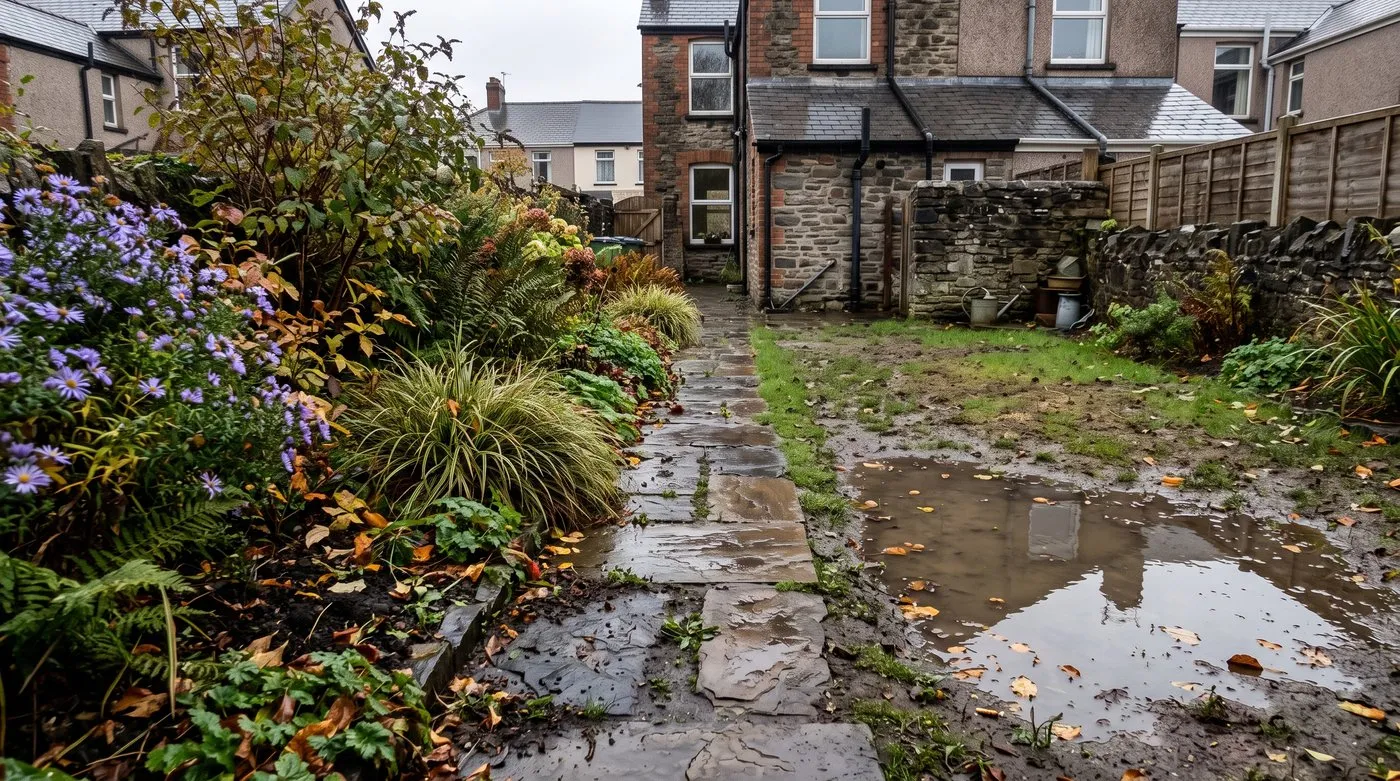
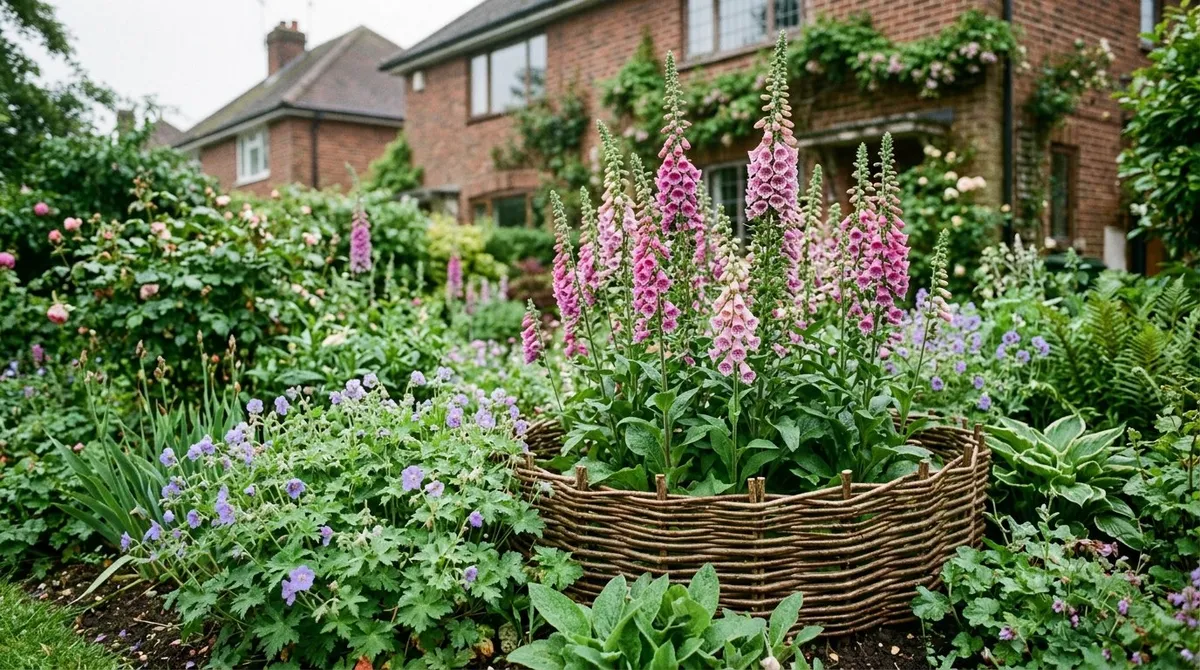
After the same downpour, the planted border has soaked it up while the bare lawn is still under water.
- Catching rain. Leaves and stems hold raindrops before they hit the ground. Some of that water dries straight back into the air.
- Drinking water. Growing plants pull water up through their roots and breathe it out through their leaves. Big trees move the most.
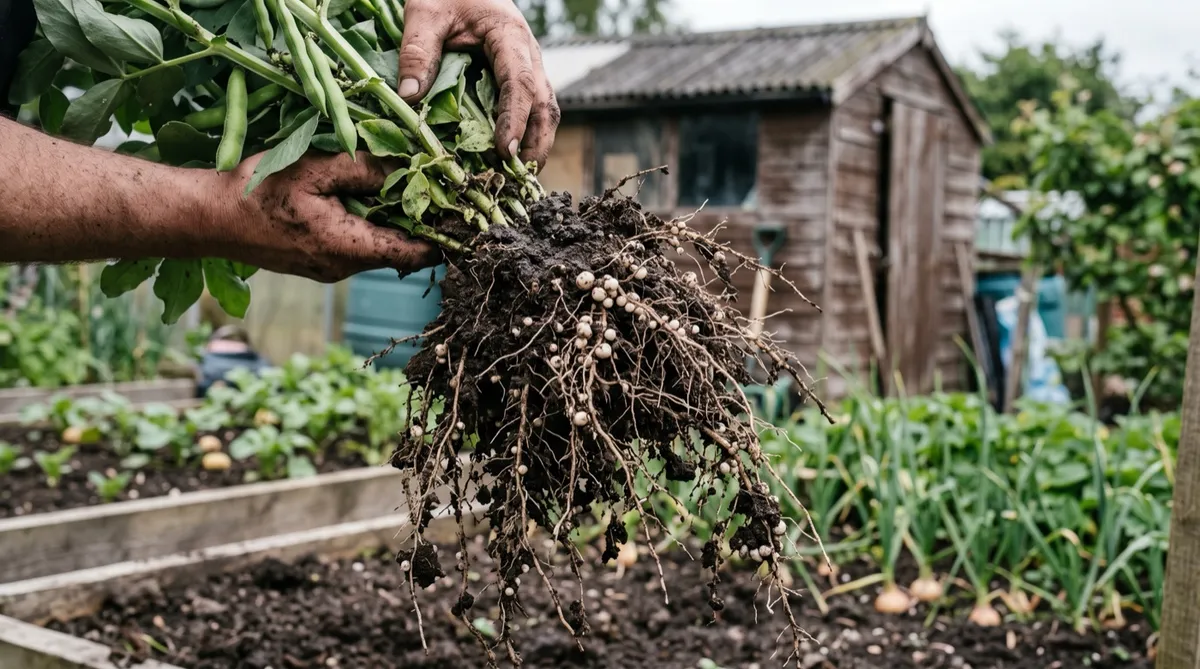
- Opening up soil. Roots push through compacted clay, then die back and leave tiny channels. Worms follow them. Water then soaks in much faster.
- Slowing run-off. Dense stems stop water racing across the ground in a sheet, so it has time to sink in.
That’s why a planted bed copes far better than bare soil or short grass.
Where planting fits in sustainable drainage
SuDS means dealing with rain where it lands, instead of rushing it into drains that overflow. Planting is one part of it, and works best with the others.
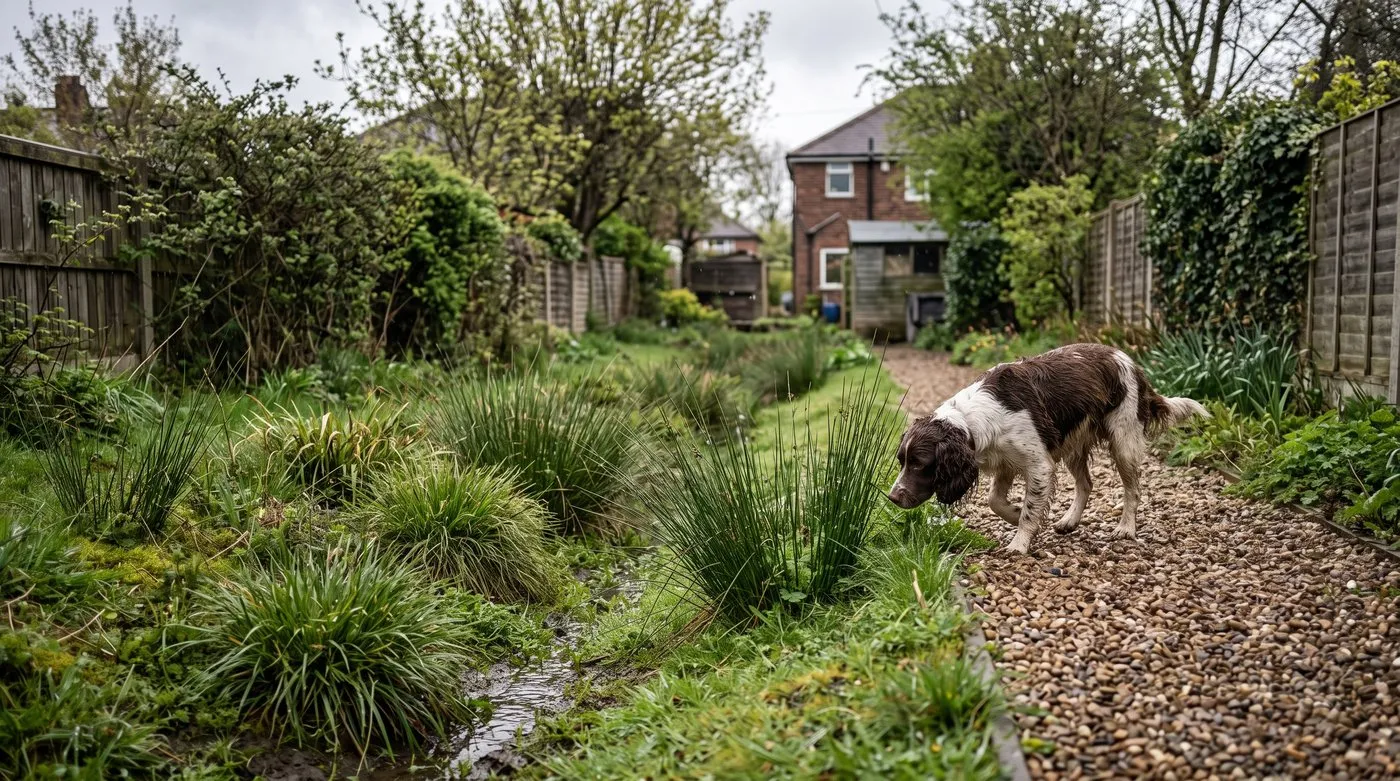
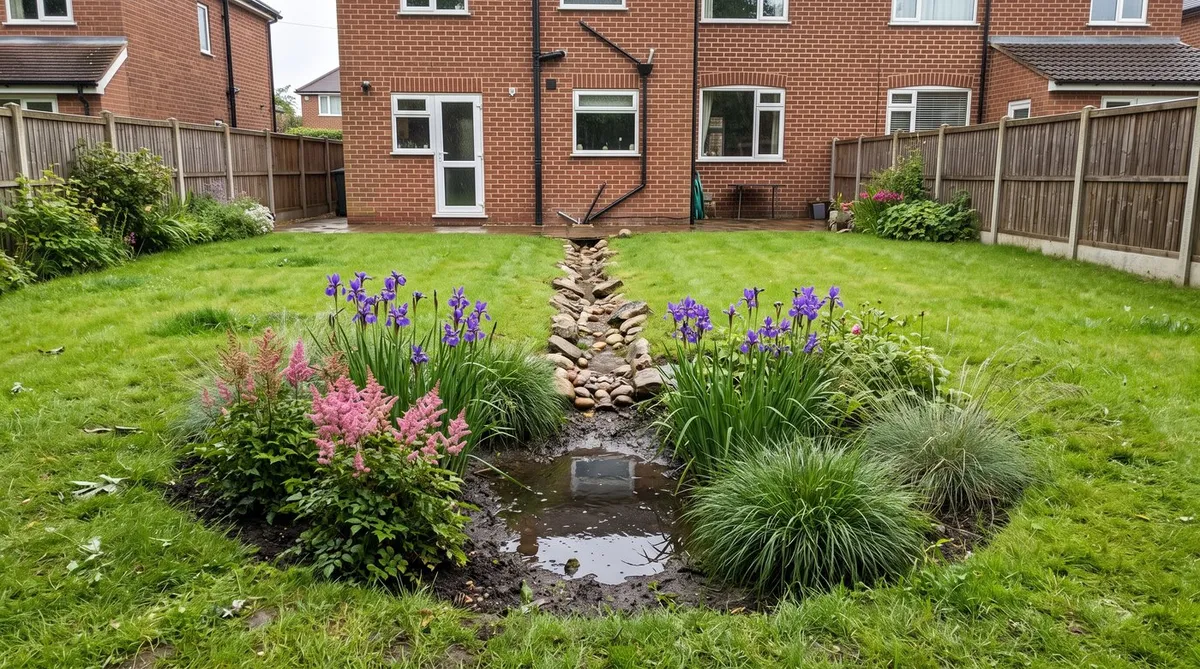
A shallow planted swale carries rain slowly across the garden, and the gravel path beside it lets water soak straight through.
The main garden features are:
- A rain garden: a shallow planted dip that catches run-off, usually from a downpipe.
- A swale: a shallow planted channel that carries water slowly across the garden.
- A bog garden: a permanently damp bed for the very wettest ground.
- Permeable surfaces: gravel or porous paving that lets rain soak through. Our guide to permeable paving for front gardens covers the options.
- Trees: they catch rain in their canopy and drink all year.
- Water butts: they catch roof water before it ever reaches the ground.
Flood-tolerant plants, sorted by how wet it gets
Match each plant to how wet its spot gets. Low dips stay soggy after rain. Gentle slopes are damp but drain within a day. Higher edges are wet in winter and dry in summer.
| Plant | Type | Copes with standing water? | Best spot | Height |
|---|---|---|---|---|
| Siberian iris (Iris sibirica) | Perennial | Yes, for a few days | Wettest dip | 60-100cm |
| Tufted sedge (Carex elata) | Sedge | Yes, for a few days | Wettest dip | 50-100cm |
| Soft rush (Juncus effusus) | Rush | Yes, for long spells | Wettest dip | 60-90cm |
| Meadowsweet (Filipendula ulmaria) | Perennial | Briefly | Dip to slope | 60-120cm |
| Purple loosestrife (Lythrum salicaria) | Perennial | Briefly | Dip to slope | 90-120cm |
| Astilbe | Perennial | No, but likes it damp | Slope | 40-100cm |
| Ligularia | Perennial | No, but likes it damp | Slope | 90-150cm |
| Rodgersia | Perennial | No, but likes it damp | Slope | 90-120cm |
| Bistort (Persicaria bistorta) | Perennial | Briefly | Slope | 50-90cm |
| Water avens (Geum rivale) | Perennial | Briefly | Slope | 30-50cm |
| Tufted hair grass (Deschampsia cespitosa) | Grass | No | Drier edge | 60-120cm |
| Purple moor grass (Molinia caerulea) | Grass | Briefly | Drier edge | 60-150cm |
Plant the wettest dip densely. It takes the most water, so a thick mat of iris, sedge and rush roots there does the hardest work. Space plants out a little more towards the edges.
Gardener’s tip: Pendulous sedge (Carex pendula) loves wet ground but self-seeds everywhere. Choose tufted sedge in a small garden.

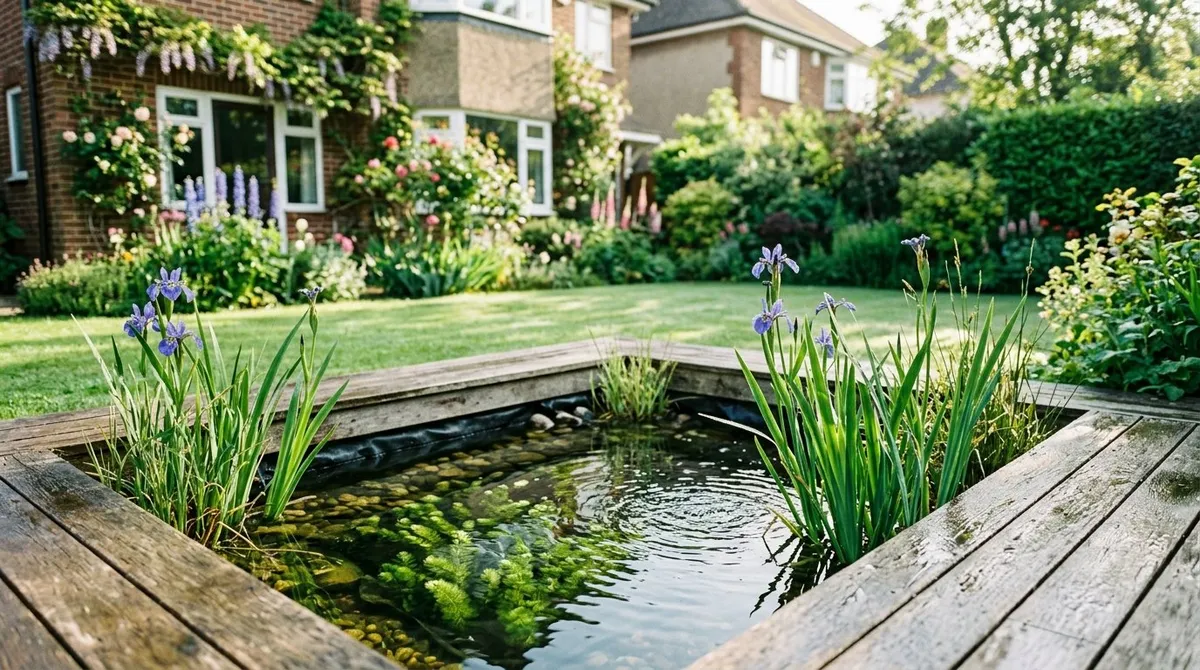
Siberian iris and sedge are happy in the soggiest spot. Their dense roots help water soak into heavy clay.
Trees and shrubs that soak up the most water
Trees and shrubs drink far more than any perennial, because they’re bigger and root deeper. For a garden with a real flooding problem, a thirsty tree is the most useful single plant you can add.
For damp or briefly flooded ground, choose willow, alder or dogwood (Cornus). Willow and alder grow wild in wet places and drink hard. For smaller gardens, birch, amelanchier and the native guelder rose cope with damp soil and stay a sensible size.
Keep big, thirsty trees well away from the house, especially on clay. As they dry the soil, clay shrinks, which can damage foundations. Willow roots also seek out drains. The bigger the tree, the further from buildings it should go.

A multi-stem birch and red dogwood suit a soggy corner in a new-build garden, and both stay a manageable size.
Perennials, grasses and ferns for damp ground
Perennials and grasses fill the space between trees, giving colour and doing steady work all season.
For damp slopes that drain within a day, try astilbe for feathery summer plumes, ligularia for bold leaves and yellow spikes, and rodgersia for big, dramatic foliage. Bistort and water avens fill lower spots and flower from late spring. All these like moisture but dislike sitting in water for days.
Grasses and sedges are tough and root densely. Tufted hair grass and purple moor grass suit the drier edges, coping with a dry summer as well as a wet winter. In damp shade, the royal fern and shuttlecock fern thrive where flowers struggle. For more ideas for permanently soggy soil, see our guide to the best plants for wet, boggy soil.

Astilbe takes the damp middle of the bed while the grass copes with the drier edge.
How to plant a flood-prone area
Prepare the soil first, then plant in spring or autumn. Most plants rot if pushed straight into cold, saturated clay.
- Pick a spot at least 5m from the house. Never pool water against walls.
- Dig in plenty of compost or leaf mould, plus some grit on heavy clay, to open the soil up.
- If you’re making a rain garden, keep the dip shallow, about 10-20cm. It should drain within a day or two after rain.
- Plant the wettest-loving plants lowest, and the rest in bands up the slope.
- Water in, then mulch to keep weeds down while the plants settle.
- Water new plants in dry spells for the first summer. A rain garden can dry out completely between storms.
If your soil is very heavy, our guide on how to improve clay soil explains the long-term fix.

A grit and leaf mould layer helps water drain through, and roots carry it on down into the clay.
Common mistakes with flood-tolerant planting
- Putting damp-lovers on the dry edge. The rim of a rain garden can bake in summer. Astilbe and ligularia scorch there. Keep them lower down.
- Choosing plants that hate winter wet. Many border plants rot if their crowns sit in cold, wet soil over winter. Stick to plants known to cope.
- Forgetting about dry summers. Ground that floods in winter can be bone dry in July. Every plant needs to handle both.
- Planting too close to the house. Water pooling by walls, or thirsty trees on clay near foundations, can cause damp and damage.
- Expecting plants to do it all. If water pours in from a road or a neighbour’s garden, you’ll need drainage work too.
When to plant: a seasonal calendar
| Month | What to do |
|---|---|
| January to February | Plan where water collects. Order bare-root willow, alder or dogwood |
| March | Dig in compost and grit while the soil is workable, not sodden |
| April | Plant sedges, rush and iris in the wettest spots |
| May | Plant astilbe, ligularia and rodgersia on the damp slopes |
| June to July | Water new plants in dry spells. A dry rain garden is normal in summer |
| August | Check for scorched leaves on the edges. Note any plant in the wrong spot |
| September to October | Best time to plant or divide perennials and grasses |
| November | Plant bare-root trees and shrubs. Cut back spent growth lightly |
| December | Leave grasses and seedheads standing for winter structure |
Avoid planting into the wettest spots in midwinter, when roots can’t grow in cold, waterlogged soil.
When planting alone isn’t enough
Plants help, but they have limits. If water runs in from a road, a field or next door, or a hard layer sits under the surface, you’ll need more than plants.
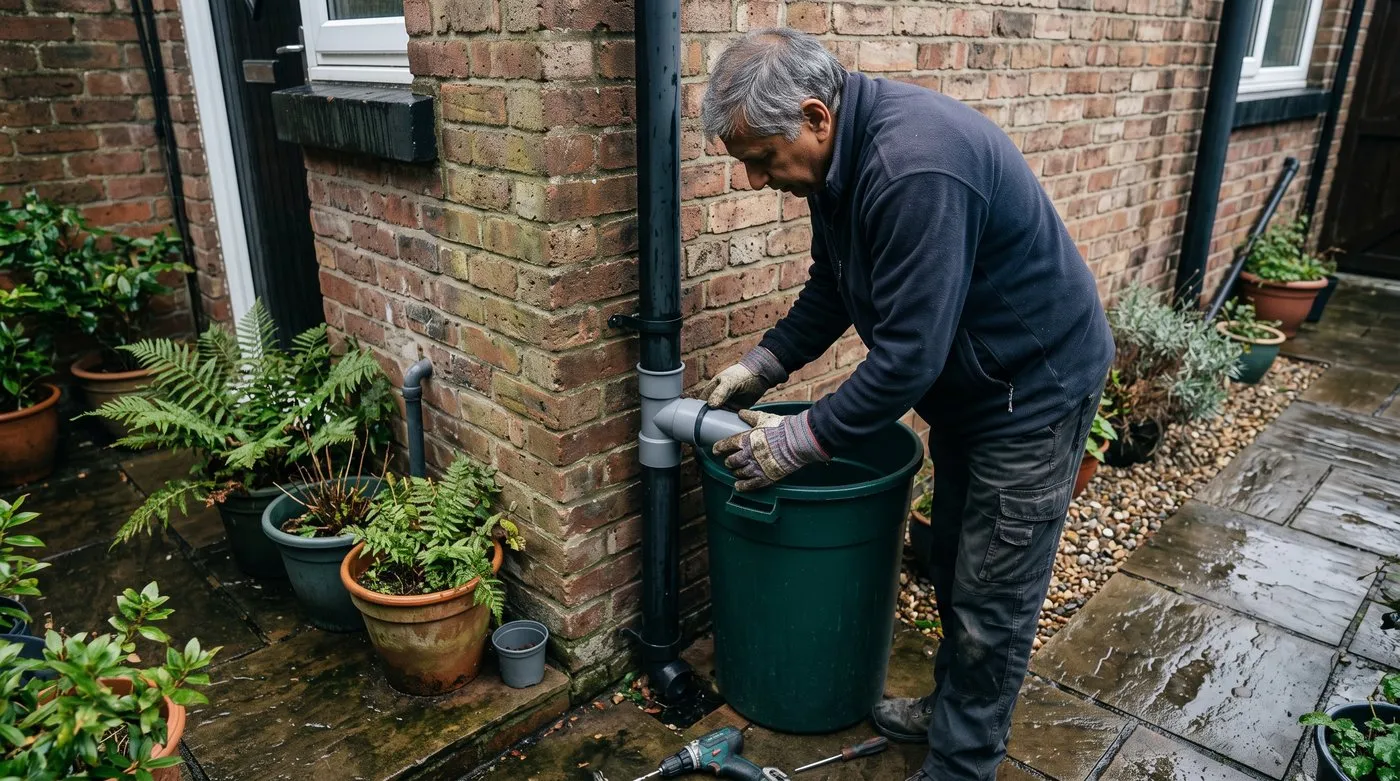
A water butt catches roof water before it ever reaches soggy ground, so it pairs well with flood-tolerant planting.
Pair your planting with other fixes. A shallow swale can steer water away from the house. Porous paving cuts run-off from hard surfaces. A water butt catches roof water before it reaches the ground, and our guide to rainwater harvesting covers sizing and linking butts. If your lawn is the problem, our guide to a waterlogged lawn helps you find the cause before you dig. The RHS guide to rain gardens is also worth a read. For more plant ideas, browse our plants section.
Garden already soaked after a storm? Our guide to rescuing a sodden garden shows what to do first.
Frequently asked questions
Which plants are best for a garden that floods?
Sedges, rushes and Siberian iris cope best with ground that floods. They are happy with wet roots for several days. Meadowsweet suits ground that floods only briefly. Put astilbe and ligularia on slightly higher ground, and grasses on the driest edges.
Do plants actually reduce garden flooding?
Yes, planted ground handles rain far better than bare soil. Leaves catch rain, plants drink water from the soil, and roots open up channels so water soaks in faster. Trees and deep-rooted plants make the biggest difference.
What are SuDS plants?
SuDS plants suit sustainable drainage features that slow and soak up rain. They cope with being wet in winter and dry in summer. Sedges, rushes, moisture-loving perennials and thirsty trees are all used in rain gardens, swales and planted strips.
Which plants soak up the most water?
Willow, alder, birch and dogwood soak up the most water. Big woody plants drink far more than small perennials. Willow and alder are the thirstiest but grow large, so keep them well away from the house and drains.
Can you plant straight into waterlogged ground?
Only true wet-ground plants, such as sedges and soft rush. Most plants rot in cold, soggy clay. Dig in compost and grit first, or plant on a low mound, so the roots get some air.
Can a rain garden go next to the house?
No, keep it at least 5m from the house. Water collecting near walls can cause damp and damage foundations. Run roof water from the downpipe to the rain garden through a shallow channel or pipe.
Are flood-tolerant plants suitable for small gardens?
Yes, choose compact ones. Shorter sedges, water avens and Siberian iris suit a small rain garden fed by one downpipe. Pick a small tree like amelanchier or a multi-stem birch instead of willow.
Our team produces practical UK gardening guidance from source research, contributor records and established horticultural practice. Editorial standards are overseen by Matt W.